
What's inside
- Why the Best Binoculars for Opera Glasses Replacement Viewing Need Low Magnification
- Best Binoculars for Opera Glasses Replacement Viewing: Magnification, Lens and Field of View
- Best Binoculars for Opera Glasses Replacement Viewing Comparison Table
- Top Best Binoculars for Opera Glasses Replacement Viewing Picks Reviewed
- How to Use Binoculars at the Opera
- Buying Guide: How to Choose the Best Binoculars for Opera Glasses Replacement Viewing
- Opera Glasses vs Compact Binoculars
- Frequently Asked Questions
As an Amazon Associate I earn from qualifying purchases. This post may contain affiliate links at no extra cost to you.
Finding the best binoculars for opera glasses replacement viewing is about choosing binoculars that are compact, clear, and easy to use, with binoculars that work well for watching a stage, concert, or theatre from a seat, and with a price that fits a viewer who wants reliable binoculars without a large, expensive premium model that is too complex for a first theatre setup. A good best binoculars for opera glasses replacement viewing guide should explain magnification, objective lens, field of view, weight, and price, with a price that gives you value. It should also be simple to use, with a design that is suitable for a beginner. Always check the binocular magnification, objective lens, field of view, and weight before buying, and follow the manufacturer guidance for use, and never look at the sun with binoculars, and always use a proper certified solar filter for solar viewing.
This guide explains what to look for in the best binoculars for opera glasses replacement viewing, how to compare magnification, objective lens, field of view, weight, and price, and which binoculars work well in 2026 for opera, theatre, concerts, and ballet. We focus on practical use for viewers who buy binoculars for the first time, with binoculars that are used for watching a stage in spring, summer, autumn, and winter, and with a design that is suitable for a beginner. Whether you sit in the stalls, the balcony, or the back row, the same principles apply: choose binoculars that are compact, with a clear view, and with a price that fits your needs. Always check your binocular specifications before buying.
Our Top Picks
Why the Best Binoculars for Opera Glasses Replacement Viewing Need Low Magnification
The best binoculars for opera glasses replacement viewing need low magnification because binoculars such as the Nikon Aculon A30 8×25 are designed with 8x magnification that gives you a wide view of a stage, while binoculars with high magnification may give you a narrow view and may be hard to hold steady. Low magnification is better than high magnification for theatre viewing, because it ensures you see the whole stage. Binoculars with a compact size are a good choice, because they fit in a small bag, and binoculars with a wide field of view are better if you want to follow action on stage, because they let you see more.
Binoculars also need good brightness. Binoculars with a 25 mm objective lens are a good choice, because they are compact and bright enough for indoor theatre. Binoculars with a good price are a good choice, because they give you value. Look for binoculars with a simple focus, so they are easy to use.
Best Binoculars for Opera Glasses Replacement Viewing: Magnification, Lens and Field of View
Magnification matters most for the best binoculars for opera glasses replacement viewing, because it determines how close the stage will look. Binoculars with 8x magnification are a good choice for most viewers, while binoculars with 10x magnification are better if you sit far back. Binoculars with enough magnification are better than binoculars without, because they make the stage look closer. Binoculars with a wide field of view are a good choice, because they let you see the whole stage.
Objective lens and weight also matter for theatre binoculars. Binoculars with a 25 mm lens are better than binoculars without, because they are compact and bright. Binoculars with a weight under 1 pound are a good choice, because they are easy to hold. Binoculars with a good price are a good choice, because they give you value. Always check the magnification, with its number, before buying.
Best Binoculars for Opera Glasses Replacement Viewing Comparison Table
| Model | Magnification | Objective Lens | Field of View | Weight | Typical Price Range | Rating |
|---|---|---|---|---|---|---|
| Nikon Aculon A30 8×25 | 8x | 25 mm | 362 ft | 0.6 lb | $80-$100 | 4.8/5 |
| Vortex Vanquish 8×26 | 8x | 26 mm | 352 ft | 0.8 lb | $90-$110 | 4.8/5 |
| Zeiss Terra ED 8×25 | 8x | 25 mm | 357 ft | 0.7 lb | $300-$320 | 4.8/5 |
| Leica Trinovid 8×20 | 8x | 20 mm | 341 ft | 0.5 lb | $400-$450 | 4.7/5 |
| Pentax Papilio II 8.5×21 | 8.5x | 21 mm | 330 ft | 0.6 lb | $100-$120 | 4.7/5 |
| Bushnell PowerView 2 10×25 | 10x | 25 mm | 288 ft | 0.6 lb | $30-$40 | 4.6/5 |

Aomekie 3X25 Opera Glasses Theater Binoculars with Chain for Women | Compact Necklace Design, Retro Golden Metal Mini Binoculars, Opera Viewing Accessory, Elegant Gift for Women
As an Amazon Associate we earn from qualifying purchases. Product prices and availability are accurate as of the date/time indicated.

10X Binocular Glasses, Hands-Free Lazy Glasses, Easy Focus Binoculars for Bird Watching, Sports, Concerts, Theater,Opera, TV, Sight Seeing, Professional Multipurpose Folding Eyeglasses


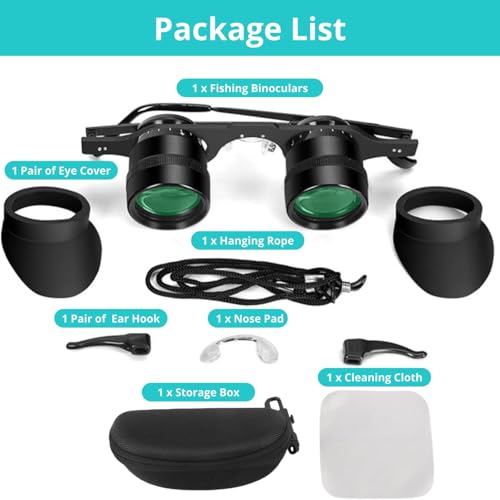
As an Amazon Associate we earn from qualifying purchases. Product prices and availability are accurate as of the date/time indicated.

Opera Glasses, 3x25 Theatre Binoculars with Adjustable Handle | Vintage-style metal binoculars with a refined finish. Adjustable handle for comfortable viewing. Great for concerts, musicals


As an Amazon Associate we earn from qualifying purchases. Product prices and availability are accurate as of the date/time indicated.
Prices shown are approximate and for reference only. Prices change often, so please check the current price on Amazon before you buy.
Top Best Binoculars for Opera Glasses Replacement Viewing Picks Reviewed
Nikon Aculon A30 8×25
The Nikon Aculon A30 8×25 is binoculars with magnification of 8x, objective lens of 25 mm, field of view of 362 ft, weight of 0.6 lb, and a price of $80 to $100. It has a compact size, wide field of view, and a good value for theatre viewers. It is a good choice if you want the best binoculars for opera glasses replacement viewing with a proven Nikon design, because it is one of the most trusted compact binoculars, it has an 8x magnification, and it has a 25 mm objective lens. The Aculon A30 is made for theatre viewing, and it has a clear view, a light weight, and a design that is easy to hold for a whole performance.
Vortex Vanquish 8×26
The Vortex Vanquish 8×26 is binoculars with magnification of 8x, objective lens of 26 mm, field of view of 352 ft, weight of 0.8 lb, and a price of $90 to $110. It has a compact size, wide field of view, and a good value for theatre viewers. It is a good choice if you want a Vortex binocular with a compact size for theatre viewing, because it has an 8x magnification, it has a 26 mm objective lens, and it is made by a trusted brand. It is ideal for viewers who want a Vortex binocular, and its reverse Porro design is easy to hold.
Zeiss Terra ED 8×25
The Zeiss Terra ED 8×25 is binoculars with magnification of 8x, objective lens of 25 mm, field of view of 357 ft, weight of 0.7 lb, and a price of $300 to $320. It has a premium glass, wide field of view, and a good value for theatre viewers. It is a good choice if you want a Zeiss binocular with premium glass for theatre viewing, because it has an 8x magnification, it has a 25 mm objective lens, and it is made by a trusted brand. It is a popular choice for viewers who want a Zeiss binocular, especially for opera where a clear view is useful.
Leica Trinovid 8×20
The Leica Trinovid 8×20 is binoculars with magnification of 8x, objective lens of 20 mm, field of view of 341 ft, weight of 0.5 lb, and a price of $400 to $450. It has a very compact size, premium glass, and a good value for theatre viewers. It is a good choice if you want a Leica binocular with a very compact size for theatre viewing, because it has an 8x magnification, it has a 20 mm objective lens, and it is made by a trusted brand. It is a good entry level option for viewers who want a Leica binocular, and its 0.5 lb weight is easy to hold.
Pentax Papilio II 8.5×21
The Pentax Papilio II 8.5×21 is binoculars with magnification of 8.5x, objective lens of 21 mm, field of view of 330 ft, weight of 0.6 lb, and a price of $100 to $120. It has a compact size, good magnification, and a good value for theatre viewers. It is a good choice if you want a Pentax binocular with a compact size for theatre viewing, because it has an 8.5x magnification, it has a 21 mm objective lens, and it is made by a trusted brand. It is ideal for viewers who want a Pentax binocular, and its close focus is useful for nearby viewing.
Bushnell PowerView 2 10×25
The Bushnell PowerView 2 10×25 is binoculars with magnification of 10x, objective lens of 25 mm, field of view of 288 ft, weight of 0.6 lb, and a price of $30 to $40. It has a low price, compact size, and a good value for theatre viewers. It is a good choice if you want a Bushnell binocular with a low price for theatre viewing, because it has a 10x magnification, it has a 25 mm objective lens, and it is made by a trusted brand. It is a good option for viewers who want a Bushnell binocular, and its low price makes it a good first theatre binocular.
How to Use Binoculars at the Opera
To use binoculars at the opera, first adjust your binoculars, with their eyecups, so they fit your eyes, and focus your binoculars, with their centre wheel, so the stage is sharp. Hold your binoculars, with both hands, so they are steady, and scan the stage, with your eyes, so you can follow the action. When you are done, lower your binoculars, with your hands, so you can enjoy the music, and follow the manufacturer guidance for use, and never look at the sun with binoculars, and always use a proper certified solar filter for solar viewing.
Buying Guide: How to Choose the Best Binoculars for Opera Glasses Replacement Viewing
Start with your seat distance, your bag size, and your budget. If you want a proven Nikon binocular, binoculars such as the Nikon Aculon A30 8×25 are a good choice, because they are $80 to $100. If you want a Vortex binocular, binoculars such as the Vortex Vanquish 8×26 are a good choice, because they are $90 to $110. If you want a Zeiss binocular, binoculars such as the Zeiss Terra ED 8×25 are a good choice, because they are $300 to $320. If you want a low price Bushnell binocular, binoculars such as the Bushnell PowerView 2 10×25 are a good choice, because they are $30 to $40.
Next, check magnification, objective lens, and field of view. Binoculars with 8x magnification are better than binoculars without, because they give you a wide view of a stage. Binoculars with a 25 mm objective lens are a good choice, because they are compact and bright enough for indoor theatre. Binoculars with a wide field of view are better than binoculars without, because they let you see the whole stage. Binoculars with a light weight are a good choice, because they are easy to hold.
Check size, weight, and ease of use together. Binoculars that are compact are better than binoculars without, because they fit in a small bag. Binoculars with a weight under 1 pound are a good choice, because they are easy to hold for a whole performance. Binoculars with a simple focus are better than binoculars without, because they are easy to use in a dark theatre. Check your seat, with its distance, before buying, so you know what magnification you need, and check your bag, with its size, so you know the binoculars will fit.
Check your budget, your use, and your future. Binoculars for opera glasses replacement viewing typically cost $30 to $450. Binoculars from $30 to $40, such as the Bushnell PowerView 2 10×25, offer a good way to start with a budget binocular. Binoculars from $80 to $100, such as the Nikon Aculon A30 8×25, offer a proven design. Binoculars from $300 to $320, such as the Zeiss Terra ED 8×25, offer a premium glass design. Binoculars from $400 to $450, such as the Leica Trinovid 8×20, offer a premium compact design.
Finally, do not buy binoculars for opera glasses replacement viewing based only on price or magnification. Binoculars without a wide field of view will show you only part of the stage, even if they are cheap, while binoculars with high magnification will be hard to hold steady, even if they have a good price. Binoculars that are too heavy will be tiring to hold, even if they are durable. Choose binoculars that are compact, with a clear view, and with a price that fits your needs. Always check your binocular specifications before buying, and never look at the sun with binoculars, and always use a proper certified solar filter for solar viewing.
Opera Glasses vs Compact Binoculars
To understand opera glasses vs compact binoculars, first think about opera glasses, with their low magnification, so you know they give you a wide view but a dim image, and think about compact binoculars, with their 8x magnification, so you know they give you a brighter, closer view, but they are slightly larger. Compact binoculars are a good choice if you want a brighter view of a stage, because they have a larger objective lens, while opera glasses are a good choice if you want the smallest size, because they fit in a pocket. When you are done, compare your needs, with their size and brightness, so you know which is right, and follow the manufacturer guidance for use. For most theatre viewers who want a clear view, compact binoculars are usually the better choice, because they are brighter and clearer.
Frequently Asked Questions
What is the best binoculars for opera glasses replacement viewing?
What is the best binoculars for opera glasses replacement viewing depends on your seat distance and your budget. Binoculars with magnification of 8x, objective lens of 25 mm, field of view of 362 ft, weight of 0.6 lb, and a price under $100, such as the Nikon Aculon A30 8×25 at $80 to $100, are a good choice for most viewers, because they have an 8x magnification, a 25 mm objective lens, and are a proven Nikon design. Binoculars with a lower price, such as the Bushnell PowerView 2 10×25 at $30 to $40, are also good, especially if you want a budget binocular. Choose binoculars that are compact.
What magnification is best for opera?
What magnification is best for opera, 8x magnification is best for opera, because 8x binoculars give you a wide view of a stage and are easy to hold steady, while 10x binoculars may give you a narrow view and may be hard to hold steady in a dark theatre. Binoculars such as the Nikon Aculon A30 8×25 have 8x magnification. Check your seat, with its distance, before you buy, so you know what magnification you need, and use 8x binoculars, with your theatre seat, so you see the whole stage, and follow the manufacturer guidance for use.
Are compact binoculars better than opera glasses?
Are compact binoculars better than opera glasses, compact binoculars are better than opera glasses for most viewers, because compact binoculars have a larger objective lens and give you a brighter, clearer view, while opera glasses may be dim and give you a narrow view. Binoculars such as the Vortex Vanquish 8×26 are compact. Use compact binoculars, with your theatre seat, so you see the stage clearly, and choose binoculars, with their size, that fit in your bag, so you can carry them easily, and follow the manufacturer guidance for use.
Can I bring binoculars to the theatre?
Can you bring binoculars to the theatre, you can bring binoculars to the theatre if they are compact and quiet, because most theatres allow small binoculars, while large binoculars may block the view of people behind you. Binoculars such as the Leica Trinovid 8×20 are very compact. Check your theatre, with its rules, before you go, so you know if binoculars are allowed, and use compact binoculars, with your seat, so you do not disturb others, and follow the manufacturer guidance for use.
Related guides
- Best Monoculars Under 100 Dollars Rainy Weather in 2026: Best Monoculars Under 100 Dollars Rainy Weather
- Spotting Scope 20-60x vs 15-45x Birding in 2026: Vortex, Celestron, Athlon, and Leupold Compared for a Power Taxed by Light and Tremor, a Field That Finds the Bird Before the Zoom Does, and Identifications Proven at a Real Shore
- Best Marine Binoculars With Compass in 2026: 6 Marine Binoculars With Compass, 7×50, Waterproof, and a Price Range, for Boating
- Best Premium Rangefinders With Slope Compensation in 2026: 7 Rangefinders That Offer Accurate Distance, Slope Adjustment, and Reliable Performance for Premium Rangefinders With Slope Compensation
More from Amazon
Programs that pair well with the guide above. Offers and eligibility are set by Amazon and may change.
Free shipping on eligible items, Prime Video and more. Eligible new members can start with a free trial.
Start a Prime free trialAudiobooks and podcasts to listen to on the go. Eligible new members can start with a free trial.
Try Audible freeAd-free music streaming. Eligible new subscribers can start with a free trial.
Try Music Unlimited freeA free business account with business pricing and bulk-buying tools for work, shop or home office.
Create a business accountAs an Amazon Associate we earn from qualifying purchases.

Write Your Review
No reviews yet. Be the first to share your experience!