
What's inside
- Binocular Case vs Hard Case Protection: The Decision Criteria
- Quick Comparison: Binocular Cases and Hard Cases Compared
- The Six Cases Reviewed: Both Families Graded
- Buying Guide: Building the Two-Case System
- How We Selected These Binocular Cases
- Frequently Asked Questions About Binocular Cases vs Hard Cases
As an Amazon Associate I earn from qualifying purchases. This post may contain affiliate links at no extra cost to you.
The binocular case vs hard case protection question is really a question about which accidents you are insuring against, because the two families protect against almost entirely different lists. The soft case — the padded pouch, the field bag, the chest harness the binocular rides in — insures against the field’s daily small violence: the knock against the hide’s frame, the scrape of the car seat’s hardware, the dust and the drizzle, the eyepiece’s encounter with the jacket zip; and it does so while keeping the binocular in service, on the chest or at the hip, which is the protection that matters most of all, since the unworn binocular in its bombproof box in the car is protecting nothing but its own resale value. The hard case — the moulded, gasketed, foam-lined vault of the Pelican pattern — insures against the journey’s capital violence: the checked bag’s fall, the boot’s crush under the luggage’s geology, the roof box’s leak at motorway speed, the boat’s bilge, the airline’s entire philosophy of baggage. This guide grades both families and the hybrid citizens between them on the protection sheet: impact and crush first (and graded honestly — a soft case’s padding absorbs the knock and is transparent to the crush; a hard case’s shell defeats the crush and transmits the sharp shock its foam must then absorb, which is why the foam’s fit is half the hard case’s product), water second — the gasketed hard case is a genuinely waterproof vault, while the soft case is a raincoat, and the binocular’s own waterproofing, which most modern citizens carry, changes what the case must prove — fit third, because a binocular rattling in an oversized case is being sandpapered by its own protection, and theft-and-visibility last, the parish’s unspoken specification: the hard case advertises that something valuable lives inside it, and the scruffy soft bag does not, which in some car parks is the most protective feature in this entire article.
The accident census deserves its founding paragraphs, because it is the evidence the decision should be made on. Binoculars die, overwhelmingly, in four ways: the drop onto hard ground from waist height — the field accident, against which the chest harness’s retention and the soft case’s padding are the specific insurances, and which the hard case, sitting in the car, does nothing for at all; the crush and the baggage journey — the travel accident, the hard case’s entire parish; water, in its two forms — the field’s rain, which the modern binocular’s own seals and a soft case’s raincoat manners handle between them, and immersion, the boat and the flood and the checked bag on the wet tarmac, which is the gasketed vault’s solo province; and the slow deaths — dust ground into a lens by a dirty cloth, the eyecup torn in a crammed bag, the collimation knocked out by a thousand small rattles in a loose container — against which the fitted case of either family, with the binocular held snug and its lenses capped, is the whole prescription. Read against the census, the verdict writes itself and this guide does not pretend otherwise: the working binocular wants the soft case or harness for its life and the hard case for its journeys, and the interesting purchasing question is not which family but how much of each — which is why the table grades the leading citizens of both, plus the semi-rigid hybrids that split the difference for the travelling birder whose journeys and field days are the same trip.
The fit doctrine completes the founding frame, because a case is a garment and is graded as one. The soft case must admit the binocular with its strap attached and its eyecups in their working position, or it will be left off in the field — the case that requires a disassembly ritual is a case that lives in the car; the hard case’s foam must be fitted to the binocular’s own silhouette, by the pick-and-pluck cubes the class provides or by a custom insert, with the accessories — the harness, the lens cloth, the tripod adapter — given their own cells rather than a shared rattle. Weight and bulk are the fit’s second half: the hard case roughly doubles the travelling binocular’s footprint, which the airline’s cabin bag audits strictly, and the soft bag that nests inside the hard case for the journey and deploys in the field is the system’s elegant answer, graded in the buying guide as the standard architecture for the travelling watcher. With the census, the families, and the fit all stated, the table grades the armouries.
Our Top Picks
 CASEMATIX Binocular Case with Impact-Absorbing Foam Interior9.5" x 8" x 4.5"9.5 x 8 x 4.5 inches1 poundsCheck on Amazon
Binocular Case vs Hard Case Protection: The Decision Criteria
What Are You Actually Protecting Against?
List your binocular’s real enemies before you shop: the field worker’s list is knocks, dust, drizzle, and the drop — the soft case and harness’s parish entire; the traveller’s list adds the baggage system, the crush, and the wet tarmac — the hard case’s; the boat and the kayak write water in capital letters; and the car-boot resident’s list is headed by heat and theft’s visibility, against which the scruffy bag outperforms the gleaming vault. A case bought against an imaginary list protects against it perfectly, and the grades in this table are struck per parish so the reader can weight their own census. The one universal entry is the loose rattle — in the bag, in the box, in the boot — and every row here is graded on holding its binocular snug, because a thousand small knocks collimate a binocular out of true as surely as one large one.
Foam, Fit, and the Hard Case’s Fine Print
Grade the hard case as a system of shell and foam: the shell’s parish is the crush and the puncture, the gasket’s is the water, and the foam’s — fitted, not generic — is the shock, absorbing the drop’s deceleration across the binocular’s whole body rather than at the two points a loose fit allows. Pick-and-pluck foam is the class’s standard marriage, custom inserts its honours course, and the un-fitted case with the binocular swimming in it is graded as the hazard it is. Latches that a glove can work, a handle that does not rattle its own announcement, and a pressure valve on the sealed citizens for the aircraft’s hold complete the audit; the case that cannot fly is a car case, and should be bought as one.
The Harness: Protection That Keeps the Binocular Working
The chest harness deserves its standing as the third family in this comparison, because for the field watcher it outperforms both cases at the accident that matters most: the binocular rides enclosed or cradled on the chest, retained against the drop by the harness itself, padded against the knocks, instantly in the hands and instantly stowed — protection as a posture rather than a container. Its limits are the journey’s (it is not baggage armour) and the weather’s worst (it is a raincoat, not a vault), and its grade in this table is struck for the field, where it is the professional’s default and the beginner’s single best protection purchase.
Quick Comparison: Binocular Cases and Hard Cases Compared
| Case | Type / Best For | Key Specs |
|---|---|---|
| Pelican 1150 / 1200 class | Hard — best hard case protection overall | Gasketed waterproof, pick-and-pluck foam, crushproof class as published |
| Vortex GlassPak / harness class | Soft harness — best field protection | Chest harness pouch, quick access as published |
| SKB iSeries binocular class | Hard — best airline citizen | Waterproof moulded, fitted foam options as published |
| Nanuk 910 class | Hard — best latches and finish | Waterproof, powerclaw latches class as published |
| Swarovski / premium field bags class | Soft bag — best premium soft | Fitted padded bags for flagship binoculars as published |
| Semi-rigid EVA cases (generic class) | Hybrid — best budget travel compromise | Moulded EVA shell, zip closure as sold |

Binocular Case, Hard EVA Protective Storage Case with Water-Resistant Exterior, Carry Handle & Shoulder Strap, Fits Most Compact and Mid-Size Binoculars for Hiking, Hunting, Birdwatching & Travel


As an Amazon Associate we earn from qualifying purchases. Product prices and availability are accurate as of the date/time indicated.
CASEMATIX Binocular Case with Impact-Absorbing Foam Interior - Hard Shell Protection, Reinforced Zippers, Comfortable Rubber Travel Handle, Accessory Bag - Binocular Cases Only
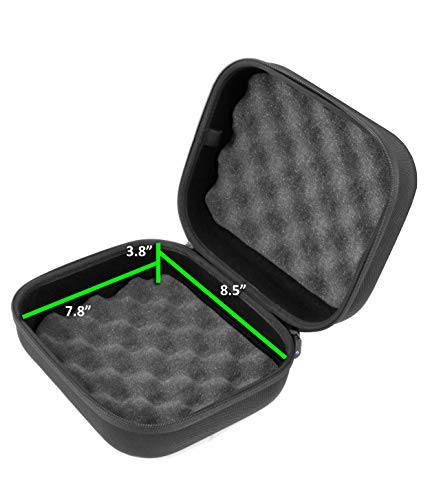

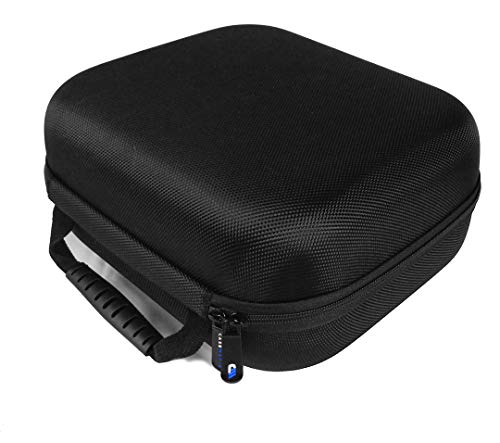


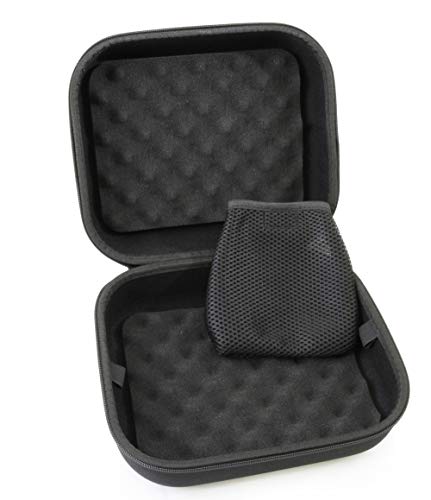

As an Amazon Associate we earn from qualifying purchases. Product prices and availability are accurate as of the date/time indicated.

Aproca Hard Protective Travel Case for Canon 12x36 Image Stabilization III Binoculars


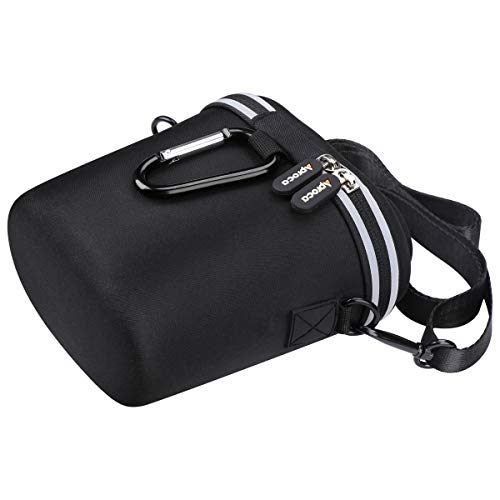
As an Amazon Associate we earn from qualifying purchases. Product prices and availability are accurate as of the date/time indicated.
Check the case’s internal dimensions against your binocular’s folded size before ordering.
The Six Cases Reviewed: Both Families Graded
1. Pelican 1150/1200 Class — Best Hard Case Overall
Pelican’s small vaults are the hard parish’s reference for the reasons their bigger siblings guard cameras and instruments worldwide: a shell that treats the crush as a rumour, a gasket that makes the case a genuinely waterproof citizen, foam the owner fits to the binocular’s own shape, and latches and hinges with a working lifetime’s manners. In the checked bag, the boat, and the truck bed, nothing in this table is its peer. Its advertisement of value and its bulk are its stated taxes; for the journey, it is the recommendation written first.
2. Vortex GlassPak Class — Best Field Protection
The GlassPak pattern — the harness pouch the binocular lives in on the chest — is the field family’s champion: the glass enclosed against dust and knocks, retained against the drop by the system itself, deployed in a second and stowed in another, with the lens cloth and the small citizens riding in their own pockets. Vortex’s version is the class’s popular standard and its warranty culture suits the field’s treatment. For the watcher whose binocular works outdoors weekly, it protects more binocular-hours than any vault ever built, and its grade says exactly that.
3. SKB iSeries — Best Airline Citizen
SKB’s moulded cases bring a music-industry armourer’s polish to the parish: waterproof shells, excellent foam options, and a build tuned for the baggage system’s specific violence. They sit a price step above Pelican’s citizens in exchange for finish, and their fitted inserts for the popular binocular formats save the pick-and-pluck evening. The travelling professional’s alternative summit, graded a breath below the leader on value alone.
4. Nanuk 910 Class — Best Latches and Finish
Nanuk’s cases are the hard parish’s aesthetes: the PowerClaw latches that close like a bank’s door and open to a deliberate hand, a finish that survives the journey unmarked, and waterproofing of the class’s standard. For the owner whose case will be handled daily — the guide, the surveyor, the rental shelf — the latches’ manners repay their premium at every opening, which is the sort of arithmetic this site respects.
5. Premium Field Bags — Best Soft Baggage
The flagship makers’ field bags — Swarovski’s and their peers’ fitted, padded citizens — are the soft family’s aristocracy: cut to their own binoculars’ silhouettes, padded at the working thickness, finished like luggage. They serve the hand-baggage journey and the car’s daily life beautifully and the checked bag not at all, which their grades state; within the soft parish’s honest limits, they are its finest, and the flagship binocular’s owner will find the fit a daily pleasure.
6. Semi-Rigid EVA Cases — Best Budget Compromise
The moulded EVA zip cases are the hybrid’s popular form: a shell stiff enough to defeat the bag’s crush and the boot’s geology, light enough for the daypack, cheap enough to be the spare. They are not waterproof in the vault’s sense and their zips are their lifespan’s limit, both in their grade; as the travelling compromise for the mid-price binocular — cabin bag, car, the walk to the hide — they are the budget’s sensible citizen, bought in the binocular’s own size and replaced without grief when the zip files its resignation.
Buying Guide: Building the Two-Case System
Step One: Write Your Accident Census
List the journeys and the field days of your binocular’s actual year — the flights, the boats, the boot’s residence, the hide’s weekly knocks — and let the census apportion the budget: the field-heavy year buys the harness first and the vault when the first flight is booked; the travel-heavy year buys the vault and lets the maker’s included soft case serve the field until the harness earns its turn. Measure the binocular folded, with its eyecups as carried, and check every candidate’s internal dimensions against the measurement — the case that almost fits is the case that will not be used, which is the least protective object in this entire article.
Step Two: Fit the Foam, Marry the Systems
Commission the hard case properly: the foam plucked or cut to the binocular’s silhouette with a finger’s clearance, the accessories in their own cells, the whole closed and shaken in the shop’s spirit — silence is the certificate of fit. Then marry the systems as the guide’s architecture prescribes: the soft case or harness that the binocular lives in nests inside the hard case for the journey, deploys at the destination, and returns the same way, so the binocular is never naked in either parish. Add the unglamorous citizens to the same order — the lens cloth in its own pocket, the rain cover, the silica gel sachets that keep the vault’s interior a dry country in humid climates.
Step Three: Keep the Armour Honest
Hold the small liturgies: the cases aired and dried after the wet journey before they are closed on the binocular for storage, because a sealed damp case is a fungus farm with a gasket; the foam inspected for the compression that ends its service; the zips and latches exercised and cleaned at the season’s turn; and the binocular stored, for its long sleeps, in the breathable soft parish rather than the sealed vault wherever the home is dry — the vault is a journey’s tool, and the archive has its own doctrine in this site’s storage guides. So censused, fitted, and kept, the system performs the only service that matters: the binocular survives the baggage carousel and the hide’s frame alike, arriving at the eye, year after year, with its collimation and its coatings intact — which is to say, it arrives as the instrument it was bought to be.
How We Selected These Binocular Cases
We included only real, named, currently sold binocular cases whose makers publish internal dimensions and protection ratings, spanning the hard, harness, premium soft, and semi-rigid classes. Grades are struck within each family’s parish — field protection and journey protection weighted by the accident census described in the guide.
Frequently Asked Questions About Binocular Cases vs Hard Cases
Is a hard case worth it for a mid-price binocular?
It is worth it for the mid-price binocular’s journeys, and the arithmetic is the parish’s own: the vault in this table costs a fraction of the binocular it guards, and the single checked-bag journey it survives — the fall from the carousel, the suitcase’s geology, the wet tarmac — repays it in full, because a mid-price binocular’s collimation is as mortal as a flagship’s and its owner’s replacement budget is smaller. What the hard case is not worth is the field’s daily duty, where its bulk benches the binocular it protects; the mid-price owner’s correct architecture is the one this guide builds — the maker’s soft case or an EVA hybrid for the life, the Pelican-class vault for the flights and the boat — bought in that order as the journeys accumulate. Protection, like insurance, is priced against the risk actually carried, and the census, not the catalogue, is the actuary.
Can I fly with a binocular in a hard case in checked baggage?
You can, and the vaults in this table are built for exactly that indignity — with two refinements the experienced flyer adds: the case’s pressure-equalisation (the better citizens carry an automatic valve; the sealed case without one can arrive vacuum-locked by the hold’s pressure changes, a nuisance with a screwdriver’s cure), and the packing’s common sense, which centres the case in the bag’s geology rather than at its corners. The wiser default, where the itinerary allows, remains the cabin: the binocular in its soft case in the hand baggage is immune to the carousel, the tarmac, and the baggage system’s entire philosophy, and arrives with its owner — which is why this guide grades the soft parish as the flyer’s first citizen and the vault as the checked exception’s armour. Either way, the binocular never travels loose, and its lenses never travel uncapped; those two rules have saved more glass than any case in this table.
How do I stop a binocular rattling inside a hard case?
By fitting the foam as the case’s second half rather than its packing material: with pick-and-pluck, remove the cubes to the binocular’s silhouette in stages, test-closing as you go, until the closed case can be shaken in silence with the binocular held at every point — the goal is a garment, not a room; with a pre-cut insert, verify your exact model’s silhouette is the one the insert was cut for, since a binocular’s folded shape varies by millimetres that matter. The accessories get their own cells for the same reason — a tripod adapter rattling against the barrel for a thousand miles is a slow file at work — and the strap is coiled into its own compartment or left outside the vault entirely. The shake test is the commissioning certificate: a silent case is a fitted case, and a fitted case is the only kind that protects against the slow deaths, which kill more binoculars than the dramatic ones ever will.
Should a binocular be stored in its hard case at home?
Generally no — and the reason is the vault’s own virtue turned inward: the gasket that seals the journey’s water out also seals the home’s humidity in, and a binocular stored sealed in a damp climate’s case is being kept in a small, private swamp where lens fungus — the archive’s mortal enemy — finds its favourite conditions. The home doctrine of this site’s storage guides is the breathable parish: the binocular in its soft case or standing in a dry cabinet, the air moving, the silica gel renewed where the climate demands it, the hard case reserved for the journeys it was built for and stored open or with its gel sachets when it must wait closed. The exception proves the rule in the driest houses and the most travelled lives, but as a default the answer stands: the vault is the binocular’s armour for the road, and armour is not a bed.
Related guides
- Best Optics for Beginners Winter Use in 2026: Fogproof Binoculars Graded on the Cold Transition — Warm Car to Frozen Field Without Losing the View
- Best Cell Phone Monocular in 2026: 7 Best Cell Phone Monoculars With Clear View, Simple Use, and Easy Use for Cell Phone Monocular
- Best Monocular for Glasses Wearers Comfort in 2026: Monocular for Glasses Wearers Comfort, Glasses Wearers Monoculars, and Best Comfortable Monoculars for Glasses Wearers
- Best Binoculars for Camping Trips Viewing in 2026: 7 Binoculars for Camping Trips Viewing That Offer Clear Optics, Easy Carry, and Reliable Performance for Camping
More from Amazon
Programs that pair well with the guide above. Offers and eligibility are set by Amazon and may change.
Free shipping on eligible items, Prime Video and more. Eligible new members can start with a free trial.
Start a Prime free trialAudiobooks and podcasts to listen to on the go. Eligible new members can start with a free trial.
Try Audible freeAd-free music streaming. Eligible new subscribers can start with a free trial.
Try Music Unlimited freeA free business account with business pricing and bulk-buying tools for work, shop or home office.
Create a business accountAs an Amazon Associate we earn from qualifying purchases.

Write Your Review
No reviews yet. Be the first to share your experience!