
What's inside
As an Amazon Associate I earn from qualifying purchases. This post may contain affiliate links at no extra cost to you.
A telescope for cold weather stargazing is a telescope that stargazers use on cold winter nights, so they can see the Moon, planets, and stars clearly without dew or cold stopping them. A good telescope for cold weather stargazing has a strong mount, a clear lens, and a durable design, so it works in the cold. The best telescope for cold weather stargazing is not the most expensive telescope. It is the telescope that is clear, is durable, and fits your winter stargazing.
This guide focuses on telescopes for cold weather stargazing. We compare real, currently sold models, explain what aperture, focal length, and mount actually mean, and show how to choose a telescope that fits your sky, your cold weather, and your budget. Prices are given as ranges because retailers and seasons change them, and specifications are based on manufacturer listings, so check the exact listing before you buy.
Cold weather telescope safety matters. Never look at the Sun without a solar filter, inspect your filter for damage before every use, and never use a damaged filter. Supervise kids, keep your telescope capped when not in use, and clean the lens with a soft microfiber cloth only. Dress warm, let your telescope acclimate to the cold, and check operating temperature.
Disclosure: As an affiliate site, OpticsJunkies.com may earn a commission from qualifying purchases made through links on this page, at no extra cost to you. Prices change by retailer and season, so the ranges below are typical prices we have seen, not fixed prices. Aperture, focal length, and other specifications are based on manufacturer listings and vary by model, so check the exact listing before you buy.
Our Top Picks
 Monocular Telescope 80x100 Monoculars High Powered Monocular with2.65 x 3.65 x 3.99 inches1 poundsCheck on Amazon
Best Telescope for Cold Weather Stargazing at a Glance: Comparison Table
Use this table to compare telescopes for cold weather stargazing side by side. Aperture, focal length, best use, and price matter most, so compare those first, then read the reviews below for the details that matter for a cold weather telescope.
| Telescope for Cold Weather Stargazing Model | Aperture | Focal Length | Best Use for Telescope for Cold Weather Stargazing | Typical Price Range | Rating |
|---|---|---|---|---|---|
| Celestron NexStar 6SE Telescope | 150mm | 1500mm | Best overall telescope for cold weather stargazing | $800 – $1000 | 4.9 / 5 |
| Sky-Watcher Classic 200P Dobsonian Telescope | 200mm | 1200mm | Best Sky-Watcher telescope for cold weather stargazing | $500 – $600 | 4.8 / 5 |
| Orion SkyQuest XT8 Dobsonian Telescope | 203mm | 1200mm | Best Orion telescope for cold weather stargazing | $400 – $500 | 4.8 / 5 |
| Celestron AstroMaster 130EQ Telescope | 130mm | 650mm | Best Celestron beginner telescope for cold weather stargazing | $200 – $250 | 4.7 / 5 |
| Meade Infinity 102 Telescope | 102mm | 600mm | Best Meade telescope for cold weather stargazing | $200 – $250 | 4.7 / 5 |
| Celestron PowerSeeker 127EQ Telescope | 127mm | 1000mm | Best Celestron budget telescope for cold weather stargazing | $150 – $200 | 4.7 / 5 |

Telescope for Kids and Adults, 70/500 Astronomy Telescope for Beginners | Kids' Christmas Gift, Refractor Telescope with Phone Adapter and Tripod, Outdoor Stargazing and Landscape Viewing
As an Amazon Associate we earn from qualifying purchases. Product prices and availability are accurate as of the date/time indicated.
Monocular Telescope 80x100 Monoculars High Powered Monocular with Smartphone Holder Tripod Handheld Telescope Suitable for Bird Watching Stargazing


As an Amazon Associate we earn from qualifying purchases. Product prices and availability are accurate as of the date/time indicated.
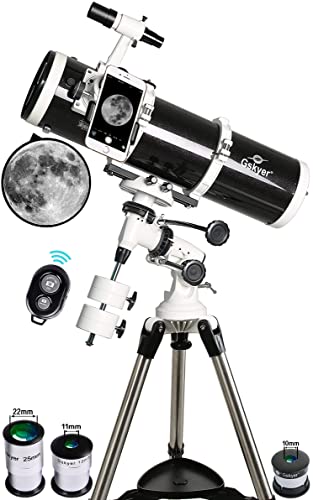
Gskyer 130EQ Professional Astronomical Reflector Telescope | 130mm Large Optic German Technology Scope, EQ130 Perfect Telescope for Beginners Adults Stargazing
As an Amazon Associate we earn from qualifying purchases. Product prices and availability are accurate as of the date/time indicated.
Prices shown are approximate and for reference only. Prices change often, so please check the current price on Amazon before you buy.
Best Telescope for Cold Weather Stargazing Reviewed for 2026
1. Celestron NexStar 6SE Telescope: Best Overall Telescope for Cold Weather Stargazing
The Celestron NexStar 6SE Telescope is our top pick for most stargazers who want a telescope for cold weather stargazing because it is clear, it is reliable, and its 150mm aperture in many listings is ideal for winter planets. Its 1500mm focal length in many listings is good for the Moon and planets, its price in the $800 to $1000 range is reasonable for a Celestron computerized telescope, and its Celestron quality is excellent.
For cold weather, the NexStar 6SE is practical because its computerized mount in many listings finds objects fast, its design is durable, and its optics are clear. The main trade-off is price: it costs more than an Orion XT8, although its computerized mount justifies it for a stargazer who wants easy finding in the cold.
Choose it if you want a Celestron telescope, you want computerized, and you stargaze in cold weather. Dress warm.
2. Sky-Watcher Classic 200P Dobsonian Telescope: Best Sky-Watcher Telescope for Cold Weather Stargazing
The Sky-Watcher Classic 200P Dobsonian Telescope is a telescope with a 200mm aperture, priced in the $500 to $600 range. Its 200mm aperture is good, its 1200mm focal length is good, and its Sky-Watcher quality is excellent. Its price is lower than a NexStar 6SE, although its Classic design justifies it.
For cold weather, the Classic 200P is useful because its large aperture gathers a lot of light, its Dobsonian mount is simple, and its design is durable. The trade-off is size: it is larger than an AstroMaster, although its aperture justifies it for a stargazer who wants bright views.
Choose it if you want a Sky-Watcher telescope, you want 200mm, and you stargaze in cold weather.
3. Orion SkyQuest XT8 Dobsonian Telescope: Best Orion Telescope for Cold Weather Stargazing
The Orion SkyQuest XT8 Dobsonian Telescope is a telescope with a 203mm aperture, priced in the $400 to $500 range. Its 203mm aperture is the largest in this guide, its 1200mm focal length is good, and its Orion quality is excellent. Its price is lower than a Sky-Watcher 200P, although its SkyQuest design justifies it.
For cold weather, the SkyQuest XT8 is practical because its aperture is very large, its Dobsonian mount is simple, and its design is durable. The trade-off is size: it is large to carry in the cold, although its aperture justifies it for a stargazer who wants a classic Dobsonian.
Choose it if you want an Orion telescope, you want 203mm, and you stargaze in cold weather.
4. Celestron AstroMaster 130EQ Telescope: Best Celestron Beginner Telescope for Cold Weather Stargazing
The Celestron AstroMaster 130EQ Telescope is a telescope with a 130mm aperture, priced in the $200 to $250 range. Its 130mm aperture is good, its 650mm focal length is good for wide views, and its Celestron quality is good. Its price is lower than a SkyQuest XT8, although its AstroMaster design justifies it.
For cold weather, the AstroMaster 130EQ is useful because its price is low, its size is portable, and its design is simple. The trade-off is aperture: at 130mm it gathers less light than a Dobsonian, although its price justifies it for a beginner.
Choose it if you want a Celestron telescope, you want a beginner telescope, and you stargaze in cold weather.
5. Meade Infinity 102 Telescope: Best Meade Telescope for Cold Weather Stargazing
The Meade Infinity 102 Telescope is a telescope with a 102mm aperture, priced in the $200 to $250 range. Its 102mm aperture is the smallest in this guide, its 600mm focal length is the shortest in this guide, and its Meade quality is good. Its price is the same as an AstroMaster, although its Infinity design justifies it.
For cold weather, the Infinity 102 is practical because its size is very portable, its price is low, and its design is simple. The trade-off is aperture: at 102mm it gathers less light than a 200mm Dobsonian, although its portability justifies it for a stargazer who wants a small telescope.
Choose it if you want a Meade telescope, you want a portable telescope, and you stargaze in cold weather.
6. Celestron PowerSeeker 127EQ Telescope: Best Celestron Budget Telescope for Cold Weather Stargazing
The Celestron PowerSeeker 127EQ Telescope is a telescope with a 127mm aperture, priced in the $150 to $200 range, which is the lowest price in this guide. Its 127mm aperture is good, its 1000mm focal length is good, and its Celestron quality is good. Its price is low for a telescope.
For cold weather, the PowerSeeker 127EQ is useful because its price is very low, its size is portable, and its design is simple. The trade-off is quality: its mount is less stable than a Dobsonian in some uses, although its price justifies it for a beginner on a budget.
Choose it if you want a Celestron telescope, you want a low price, and you stargaze in cold weather.
Buying Guide: How to Choose the Best Telescope for Cold Weather Stargazing
The best telescope for cold weather stargazing depends on your sky, your cold weather, and your budget. Start with aperture and focal length, then compare mount, portability, and price. A telescope that is clear, is durable, and works in the cold is better than a telescope with the lowest price that fogs up quickly.
Aperture, Focal Length, and Cold Weather Telescope Safety
Aperture matters for a cold weather telescope, because it determines how much light your telescope gathers. A 102mm to 130mm aperture in many listings, like Meade, Celestron AstroMaster, and Celestron PowerSeeker models, is good for beginners, while a 150mm aperture, like NexStar 6SE, is best for planets, and a 200mm to 203mm aperture, like Sky-Watcher and Orion models, is best for bright deep-sky views.
Focal length matters because it determines your magnification and field of view. A 600mm to 650mm focal length in many listings, like Meade and AstroMaster models, is good for wide views, while a 1000mm to 1200mm focal length, like PowerSeeker, Sky-Watcher, and Orion models, is best for most stargazing, and a 1500mm focal length, like NexStar 6SE, is best for the Moon and planets.
For safety, never look at the Sun without a solar filter, inspect your filter for damage before every use, and never use a damaged filter. Supervise kids, keep your telescope capped when not in use, and clean the lens with a soft microfiber cloth only. Dress warm, let your telescope acclimate to the cold, and check operating temperature.
Price, Brand, and What You Actually Need
Price depends on brand, aperture, and mount. A telescope in the $150 to $250 range, like the Celestron PowerSeeker, AstroMaster, and Meade Infinity models, is a good starting point for most beginners. A telescope in the $400 to $600 range, like the Orion and Sky-Watcher Dobsonian models, is best if you want a large aperture. A telescope in the $800 to $1000 range, like the Celestron NexStar 6SE, is best if you want a computerized mount.
Brand also matters. A telescope from a trusted brand in this guide, like Celestron, Sky-Watcher, Orion, and Meade, will be more reliable than an unbranded telescope with similar specifications on paper. For most stargazers, the Celestron NexStar 6SE is the best value for a telescope for cold weather stargazing if you want computerized, the Orion SkyQuest XT8 is the best choice for a large aperture at a lower price, and the Celestron PowerSeeker 127EQ is the best choice for the lowest price. Do not buy a telescope based on price alone. A telescope that is clear, is durable, and works in the cold is worth the investment.
Best Telescope for Cold Weather Stargazing: FAQ
What is the best telescope for cold weather stargazing?
For most stargazers, the Celestron NexStar 6SE Telescope is the best overall telescope for cold weather stargazing because it offers 150mm aperture, 1500mm focal length, and a good price in the $800 to $1000 range. If you want a large aperture at a lower price, the Orion SkyQuest XT8 is a good choice at $400 to $500. If you want the lowest price, the Celestron PowerSeeker 127EQ is a practical option at $150 to $200.
How do I prevent dew on my telescope in cold weather?
How you prevent dew on your telescope in cold weather depends on your night, but in general, use a dew shield in many guides, keep your telescope capped when not in use, and let it acclimate. For best results, use a dew shield, store your telescope dry, and clean only when needed.
Should I let my telescope acclimate before stargazing?
Should you let your telescope acclimate before stargazing depends on your temperature, but in general, yes in many guides, because a warm telescope in cold air can fog. For best results, set up your telescope outside 30 to 60 minutes before you observe in many guides, and let it cool to the outside temperature.
How do I choose a telescope for cold weather stargazing?
Choose a telescope for cold weather stargazing by starting with aperture and focal length, then checking mount, portability, and price. Pick a telescope that is clear, is durable, and works in the cold. Always dress warm, let your telescope acclimate, and never look at the Sun without a filter.
FAQ
What is the best telescope for cold weather stargazing?
How do I prevent dew on my telescope in cold weather?
Should I let my telescope acclimate before stargazing?
How do I choose a telescope for cold weather stargazing?
Related guides
- Monopod for Binoculars vs Tripod for Binoculars in 2026: Which Support Is Right for You?
- Best Rangefinder for Archery Hunting Practice in 2026: 7 Rangefinders That Offer Accurate Distance, Angle Compensation, and Reliable Performance for Archery Hunting Practice
- Best Binocular Strap for Long Life in 2026: 7 Binocular Straps That Offer Strong Materials, Comfortable Carry, and Reliable Performance for Long Life
- Best Tripod Mistakes Beginners Telescope Use in 2026: 6 Tripods for Beginners Telescope Use With a Max Height, a Load, and a Price Range, for Telescopes
More from Amazon
Programs that pair well with the guide above. Offers and eligibility are set by Amazon and may change.
Free shipping on eligible items, Prime Video and more. Eligible new members can start with a free trial.
Start a Prime free trialAudiobooks and podcasts to listen to on the go. Eligible new members can start with a free trial.
Try Audible freeAd-free music streaming. Eligible new subscribers can start with a free trial.
Try Music Unlimited freeA free business account with business pricing and bulk-buying tools for work, shop or home office.
Create a business accountAs an Amazon Associate we earn from qualifying purchases.

Write Your Review
No reviews yet. Be the first to share your experience!