
What's inside
- Why the Best Telescope Eyecup for Glasses Wearers Needs Long Eye Relief
- Best Telescope Eyecup for Glasses Wearers: Eye Relief, Eyecup and Field of View
- Best Telescope Eyecup for Glasses Wearers Comparison Table
- Top Telescope Eyepieces for Glasses Wearers Reviewed
- Buying Guide: How to Choose the Best Telescope Eyecup for Glasses Wearers
- How to Use a Telescope Eyepiece With Glasses
- Frequently Asked Questions
As an Amazon Associate I earn from qualifying purchases. This post may contain affiliate links at no extra cost to you.
Finding the best telescope eyecup for glasses wearers is about choosing a telescope eyepiece with long eye relief, a twist-up eyecup, and a clear image that you can see while wearing glasses, without pressing your glasses against the eyecup or losing the full field of view. A good telescope eyecup for glasses wearers should have eye relief of at least 15 mm, a twist-up eyecup that can be lowered for glasses, and a wide apparent field of view. It should also be affordable, with a price that fits a beginner who wants to watch the Moon, planets, and stars with glasses on, without a large, expensive premium eyepiece.
This guide explains what to look for in a telescope eyecup for glasses wearers, how to compare eye relief, eyecup design, focal length, and apparent field of view, and which eyepieces work well in 2026. We focus on practical use for glasses wearers who use a telescope for astronomy, with an eyepiece that is used with glasses on, and with a design that is suitable for a beginner. Always follow your telescope manufacturer’s instructions, and never look at the Sun with a telescope without a proper solar filter.
Our Top Picks
 4pcs Rubber Eyepiece Protector for Stereo Microscope Telescope4.00X4.00X1.80CM1.57 x 1.57 x 0.71 inches0 poundsCheck on Amazon
Why the Best Telescope Eyecup for Glasses Wearers Needs Long Eye Relief
A telescope eyecup for glasses wearers needs long eye relief because glasses add distance between your eye and the eyepiece, while an eyepiece with short eye relief, such as 10 mm, will not let you see the full field of view with glasses on. An eyepiece with eye relief of 15 mm or more, such as the Celestron X-Cel LX 25mm, is a good choice for most glasses wearers, because it lets you see the full image with glasses on. An eyepiece with eye relief of 20 mm is even better.
A telescope eyecup for glasses wearers also needs a twist-up eyecup. A twist-up eyecup, such as on the Explore Scientific 68 Degree 24mm, can be lowered for glasses wearers, so your glasses do not press against the eyecup, and raised for users without glasses. An eyepiece with a fixed eyecup is harder to use with glasses, because it may not fit. An eyepiece with a wide apparent field of view is also important, because it gives you a larger view of the sky.
Best Telescope Eyecup for Glasses Wearers: Eye Relief, Eyecup and Field of View
Eye relief matters most for a telescope eyepiece for glasses wearers, because it determines whether you can see the full field of view. An eyepiece with eye relief of 15 mm is a good choice for most glasses wearers, while an eyepiece with eye relief of 20 mm is better. An eyepiece with eye relief of 10 mm is too short for most glasses wearers, and it will cause vignetting, where the edges of the image are dark.
Eyecup also matters. An eyepiece with a twist-up eyecup is better than an eyepiece with a fixed eyecup, because it lets you adjust the eyecup for glasses. An eyepiece with a soft rubber eyecup is more comfortable than an eyepiece with a hard eyecup, because it does not scratch your glasses. An eyepiece with an apparent field of view of 60 degrees or more is better than an eyepiece with a narrow field of view, because it gives you a larger view.
Best Telescope Eyecup for Glasses Wearers Comparison Table
| Model | Focal Length | Eye Relief | Apparent Field | Eyecup Type |
|---|---|---|---|---|
| Celestron X-Cel LX Eyepiece, 25mm, 1.25 in | 25 mm | 16 mm | 60 degrees | Twist-up |
| Explore Scientific 68 Degree Eyepiece, 24mm, 1.25 in | 24 mm | 18 mm | 68 degrees | Twist-up |
| Tele Vue Plossl Eyepiece, 32mm, 1.25 in | 32 mm | 22 mm | 50 degrees | Fold-down |
| Baader Hyperion Eyepiece, 24mm, 1.25 in | 24 mm | 18 mm | 68 degrees | Twist-up |
| Celestron Luminos Eyepiece, 23mm, 2 in | 23 mm | 17 mm | 82 degrees | Twist-up |
| Meade Series 5000 PWA Eyepiece, 20mm, 1.25 in | 20 mm | 15 mm | 82 degrees | Twist-up |

SQXBK 2pcs Light-Blocking Rubber Eyecups for Microscopes, Telescope Eyepieces (for 29mm - 31mm Microscopes, Telescopes)


As an Amazon Associate we earn from qualifying purchases. Product prices and availability are accurate as of the date/time indicated.
4pcs Rubber Eyepiece Protector for Stereo Microscope Telescope Lab Use | Black Eye Cup Replacement, Glare Reduction, Helps Fit Eyeglass Wearers, Suitable for Science Education Settings

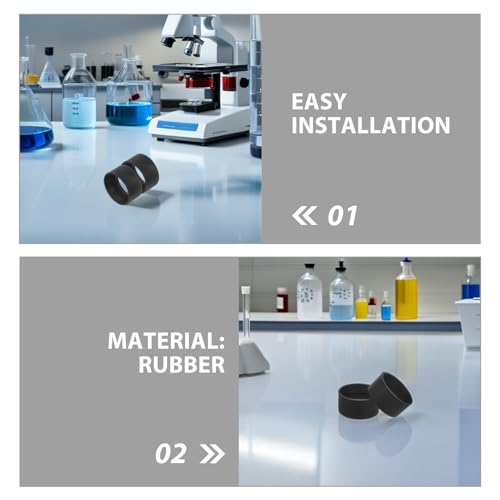


As an Amazon Associate we earn from qualifying purchases. Product prices and availability are accurate as of the date/time indicated.

40mm Plossl Telescope Eyepiece, 1.25 Inch Fully Coated | Soft rubber fold-down eyecup, comfortable for eyeglass wearers, protects lenses from scratches, sturdy storage case included

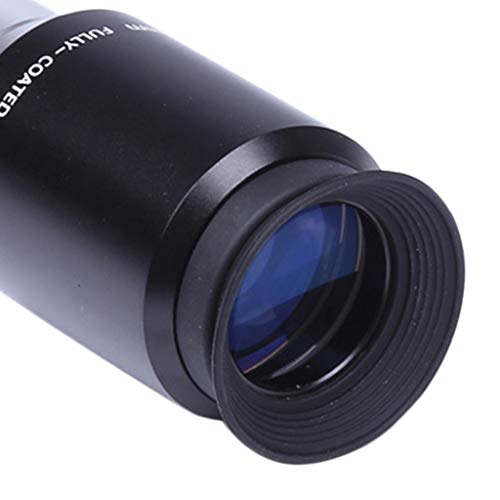


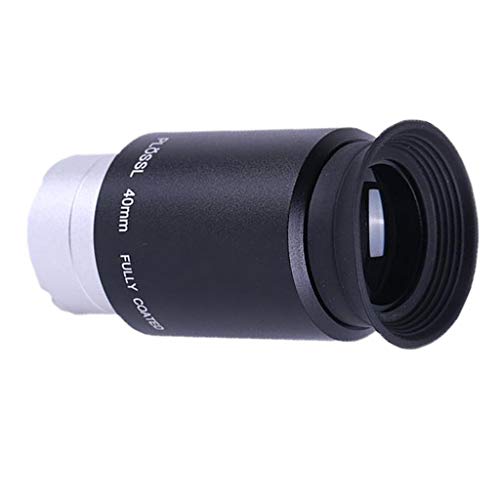
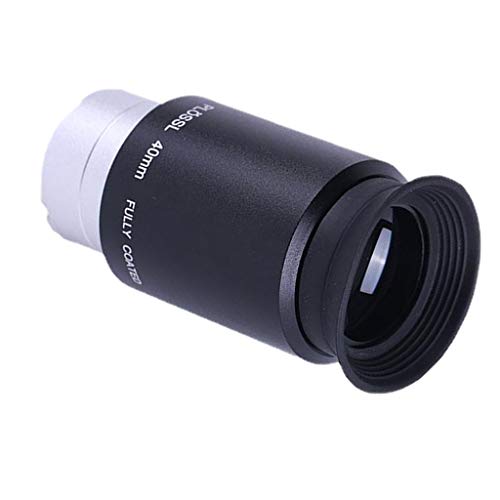
As an Amazon Associate we earn from qualifying purchases. Product prices and availability are accurate as of the date/time indicated.
Top Telescope Eyepieces for Glasses Wearers Reviewed
Celestron X-Cel LX Eyepiece, 25mm, 1.25 in
It has a good eye relief, a good value, and a durable design. It is a good choice if you want the best telescope eyecup for glasses wearers with a proven Celestron design.
Explore Scientific 68 Degree Eyepiece, 24mm, 1.25 in
It has a long eye relief, a wide field, and a good value. It is a good choice if you want an Explore Scientific eyepiece with a wide field.
Tele Vue Plossl Eyepiece, 32mm, 1.25 in
It has a very long eye relief, a good value, and a durable design. It is a good choice if you want a Tele Vue eyepiece with a very long eye relief.
Baader Hyperion Eyepiece, 24mm, 1.25 in
It has a long eye relief, a wide field, and a good value. It is a good choice if you want a Baader eyepiece with a wide field.
Celestron Luminos Eyepiece, 23mm, 2 in
It has a very wide field, a good eye relief, and a good value. It is a good choice if you want a Celestron eyepiece with a very wide field.
Meade Series 5000 PWA Eyepiece, 20mm, 1.25 in
It has a very wide field, a good eye relief, and a good value. It is a good choice if you want a Meade eyepiece with a very wide field.
Buying Guide: How to Choose the Best Telescope Eyecup for Glasses Wearers
Start with your glasses, your telescope, and your budget. If you wear glasses with a thick frame, an eyepiece with eye relief of 20 mm or more, such as the Tele Vue Plossl 32mm, is a good choice, because it lets you see the full field of view. If you wear glasses with a thin frame, an eyepiece with eye relief of 16 mm, such as the Celestron X-Cel LX 25mm, is enough. If you have a telescope with a 1.25-inch focuser, choose a 1.25-inch eyepiece, while if you have a 2-inch focuser, you can use a 2-inch eyepiece.
Next, check eyecup, field of view, and focal length. An eyepiece with a twist-up eyecup is better than an eyepiece with a fixed eyecup, because it lets you lower the eyecup for glasses. An eyepiece with an apparent field of 68 degrees is better than an eyepiece with a field of 50 degrees, because it gives you a larger view. An eyepiece with a focal length of 25 mm is a good choice for low power and wide views, while an eyepiece with a focal length of 10 mm is better for high power and planets.
Check your budget, your use, and your future.
Finally, do not buy an eyepiece based only on price or focal length. An eyepiece with a short eye relief will not work with glasses, even if it has a good focal length. Choose an eyepiece that fits your glasses, with a twist-up eyecup that can be lowered, and with eye relief of at least 15 mm. Test the eyepiece with your glasses on before you buy, if you can, and check that you can see the full field of view without vignetting.
How to Use a Telescope Eyepiece With Glasses
To use a telescope eyepiece with glasses, first lower your twist-up eyecup all the way down, so your glasses do not press against it, and hold your eye 15 mm to 20 mm from the eyepiece, with your glasses on. Look through your eyepiece, and check that you can see the full field of view, with no dark edges. If you see dark edges, move your eye closer or farther until the image is clear. Adjust your telescope’s focus until your subject is sharp. After use, raise your eyecup if you use it without glasses, and store your eyepiece in its case, with caps on.
Frequently Asked Questions
What is the best telescope eyepiece for glasses wearers?
What is the best telescope eyepiece for glasses wearers depends on your glasses and telescope. Choose an eyepiece with at least 15 mm eye relief.
How much eye relief do I need if I wear glasses?
How much eye relief you need if you wear glasses depends on your glasses frame. An eyepiece with eye relief of 15 mm is enough for most glasses wearers, while an eyepiece with eye relief of 20 mm is better if you wear thick glasses. An eyepiece with eye relief of 10 mm is too short for most glasses wearers, and it will cause vignetting. Check your eyepiece’s eye relief before you buy, and test it with your glasses on if you can.
Should I lower the eyecup when wearing glasses?
Should you lower the eyecup when wearing glasses, yes, you should lower your twist-up eyecup all the way down when wearing glasses, so your glasses do not press against the eyecup and you can see the full field of view. An eyepiece with a twist-up eyecup, such as the Celestron X-Cel LX, lets you lower the eyecup for glasses and raise it for use without glasses. Do not press your glasses hard against the eyecup, because it can scratch your glasses.
Can I use a telescope without glasses if I normally wear them?
Can you use a telescope without glasses if you normally wear them, it depends on your vision. A telescope with a focuser lets you focus the image for your eyes, without glasses, if you have a mild prescription for nearsightedness or farsightedness. A telescope without a focuser adjustment may be blurry without glasses. If you have astigmatism, you should wear your glasses when using a telescope, with the eyecup lowered. Check your eyepiece’s eye relief before you buy, and test it with and without glasses.
Related guides
- Best Optics for Beginners Winter Use in 2026: Fogproof Binoculars Graded on the Cold Transition — Warm Car to Frozen Field Without Losing the View
- Best Cell Phone Monocular in 2026: 7 Best Cell Phone Monoculars With Clear View, Simple Use, and Easy Use for Cell Phone Monocular
- Best Monocular for Glasses Wearers Comfort in 2026: Monocular for Glasses Wearers Comfort, Glasses Wearers Monoculars, and Best Comfortable Monoculars for Glasses Wearers
- Best Binoculars for Camping Trips Viewing in 2026: 7 Binoculars for Camping Trips Viewing That Offer Clear Optics, Easy Carry, and Reliable Performance for Camping
More from Amazon
Programs that pair well with the guide above. Offers and eligibility are set by Amazon and may change.
Free shipping on eligible items, Prime Video and more. Eligible new members can start with a free trial.
Start a Prime free trialAudiobooks and podcasts to listen to on the go. Eligible new members can start with a free trial.
Try Audible freeAd-free music streaming. Eligible new subscribers can start with a free trial.
Try Music Unlimited freeA free business account with business pricing and bulk-buying tools for work, shop or home office.
Create a business accountAs an Amazon Associate we earn from qualifying purchases.

Write Your Review
No reviews yet. Be the first to share your experience!