
What's inside
- Why Choosing the Best Monocular for Wildlife Viewing Distance Matters
- Monocular for Wildlife Viewing Distance Explained: Magnification, Lens and Stability
- Best Monocular for Wildlife Viewing Distance: Comparison Table
- Vortex Solo 8×25 Monocular
- Celestron Nature DX 8×42 Monocular
- Vortex Solo 10×36 Monocular
- Bushnell Legend Ultra HD 10×42 Monocular
- Zeiss Mono 8×20 Monocular
- Leica Monovid 8×20 Monocular
- Buying Guide: How to Choose the Best Monocular for Wildlife Viewing Distance
- Frequently Asked Questions
As an Amazon Associate I earn from qualifying purchases. This post may contain affiliate links at no extra cost to you.
Choosing the best monocular for wildlife viewing distance is about finding a monocular that shows wildlife clearly, fits your viewing distance, and works for your wildlife watching, without being too expensive, without being too heavy, and without being too hard to use. Best monocular for wildlife viewing distance is a monocular for a wildlife viewer who wants a monocular for wildlife viewing distance, so they need best monocular for wildlife viewing distance. A good monocular for wildlife viewing distance should have a simple design, a magnification that fits distance, an objective lens that fits light, and a price that fits a budget. It should also be easy to carry, and reliable enough to use every time you watch wildlife.
This guide compares six real, currently sold monoculars for wildlife viewing distance. Always check monocular for wildlife viewing distance magnification, objective lens, waterproof rating, and viewing fit before you buy. Best monocular for wildlife viewing distance is best for a wildlife viewer who wants a monocular for wildlife viewing distance, while binoculars may be better for a user who wants two eye viewing, and a spotting scope may be better for a user who wants long range viewing.
Note on best monocular for wildlife viewing distance: a monocular for wildlife viewing distance should have a 10x magnification for long distance, while an 8x monocular is a good choice for most wildlife viewing. A 42mm objective lens is a good choice for bright images, while a 25mm lens is a good choice for a pocket monocular. Check your monocular, your wildlife, and your budget before you buy, and choose a monocular by 10x for your wildlife viewing distance. Never look at the Sun through a monocular, and never look at the Sun with a monocular.
Wildlife safety comes first. Always tell someone where you are going, carry water, and dress for the weather. Never look at the Sun through a monocular, and never look at the Sun with a monocular. Keep your monocular in a dry place, and do not use a monocular that is damaged. Keep a safe distance from wildlife, and follow local wildlife rules.
Our Top Picks
Why Choosing the Best Monocular for Wildlife Viewing Distance Matters
Best monocular for wildlife viewing distance matters because a good monocular can help you watch well, by giving you a clear view of wildlife at a distance, while a weak monocular can be too blurry, too dark, or hard to use. A good monocular can also help you save time, by letting you see quickly, while a weak monocular can need a long time to focus. A monocular with too little magnification may not show distant wildlife, while a monocular with the wrong lens may be too dark.
Magnification matters most. Best monocular for wildlife viewing distance with magnification that fits distance is a good choice, because it can show wildlife clearly. A 10x monocular is a good choice if you want long distance, while an 8x monocular is a good choice if you want most wildlife viewing. Check the magnification before you buy, and choose a monocular by 10x for your wildlife viewing distance.
Objective lens also matters. Best monocular for wildlife viewing distance with an objective lens that fits light is a good choice, because it can gather light. A 42mm lens is a good choice if you want bright images, while a 25mm lens is a good choice if you want a pocket monocular. Check the objective lens before you buy, and choose a monocular by mm for your wildlife viewing distance.
Monocular for Wildlife Viewing Distance Explained: Magnification, Lens and Stability
Magnification can help you see wildlife at a distance. A 10x monocular can show wildlife 10 times closer, according to makers, while an 8x monocular can show wildlife 8 times closer. A higher magnification can be harder to hold steady, so it may need a tripod or a steady hand. For wildlife viewing distance, a 10x monocular is a good choice if you can hold it steady.
Objective lens can help you see in low light. A larger lens, such as 42mm, can gather more light than a smaller lens, such as 25mm. A larger lens can be a good choice for dawn and dusk wildlife viewing, because it can show a brighter image. A smaller lens can be a good choice for a pocket monocular, because it can be lighter.
Stability can help you see clearly at a distance. A monocular with a high magnification can be shaky, so use a steady hand or a tripod. A monocular with a low magnification can be steadier, so it can be a good choice for handheld viewing. For wildlife viewing distance, a 10x monocular with a tripod is a good choice.
Best Monocular for Wildlife Viewing Distance: Comparison Table
The table below compares six real, currently sold monoculars for wildlife viewing distance. Check the maker notes for monocular for wildlife viewing distance magnification, objective lens, waterproof rating, and viewing fit before you buy. Never look at the Sun through a monocular.
| Monocular Model for Wildlife Viewing Distance | Magnification and Lens | Waterproof and Use | Best For |
|---|---|---|---|
| Vortex Solo 8×25 Monocular | 8×25, 25mm | Waterproof, wildlife | Best budget, for best monocular for wildlife viewing distance |
| Celestron Nature DX 8×42 Monocular | 8×42, 42mm | Waterproof, wildlife | Best Celestron Nature DX, for best monocular for wildlife viewing distance |
| Vortex Solo 10×36 Monocular | 10×36, 36mm | Waterproof, wildlife | Best Vortex Solo 10×36, for best monocular for wildlife viewing distance |
| Bushnell Legend Ultra HD 10×42 Monocular | 10×42, 42mm | Waterproof, wildlife | Best Bushnell Legend Ultra HD, for best monocular for wildlife viewing distance |
| Zeiss Mono 8×20 Monocular | 8×20, 20mm | Waterproof, wildlife | Best Zeiss Mono 8×20, for best monocular for wildlife viewing distance |
| Leica Monovid 8×20 Monocular | 8×20, 20mm | Waterproof, wildlife | Best premium, for best monocular for wildlife viewing distance |
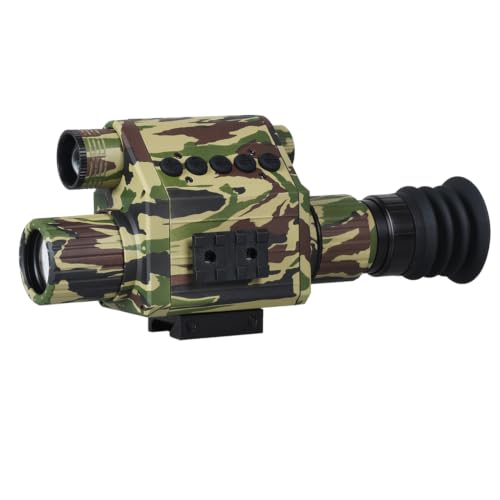
Night Vision Scope, HD 1080P Digital Day Night Vision Monocular, 5X Zoom, 400m Night Viewing Distance, Infrared Monocular for Adult Night Hunting, Camping, Wildlife Observation and Home Security


As an Amazon Associate we earn from qualifying purchases. Product prices and availability are accurate as of the date/time indicated.

Gosky 15x52 Monocular for Adults High Powered with Tripod & Phone Adapter | Clear Long-Range Views, Smooth One-Hand Focus, Handheld & Tripod-Stable Viewing for Bird Watching, Wildlife and Hunting.
As an Amazon Associate we earn from qualifying purchases. Product prices and availability are accurate as of the date/time indicated.

BIBIRE Night Vision Monocular, 8X Digital Monocular Night Vision 4000mAh | Infrared Night Vision Monoculars with 32GB Card & Card Reader for Camping Surveillance Wildlife Viewing Surveillance


As an Amazon Associate we earn from qualifying purchases. Product prices and availability are accurate as of the date/time indicated.
Prices shown are approximate and for reference only. Prices change often, so please check the current price on Amazon before you buy.
Vortex Solo 8×25 Monocular
It is the cheapest monocular in this comparison and a practical starting point if you want a low-cost monocular for wildlife viewing distance. It has a magnification of 8×25, lens of 25mm, waterproof of Waterproof, and use of wildlife, according to the maker.
Choose this monocular if you want a simple, affordable monocular for your wildlife viewing. The Vortex Solo 8×25 has a simple design, a good 8×25 size for a pocket, and a good fit for a beginner with a first monocular. Its low price is good for a beginner, but its small lens may be less bright than a premium monocular. If you need a premium monocular, the Leica Monovid 8×20 is a better choice at a higher price, because it is premium.
Celestron Nature DX 8×42 Monocular
It has a magnification of 8×42, lens of 42mm, waterproof of Waterproof, and use of wildlife, according to the maker. It is a good choice if you want a Celestron monocular with a trusted brand for optics and a simple design for wildlife viewing.
This monocular is best for a wildlife viewer who wants a Celestron Nature DX for best monocular for wildlife viewing distance. The Nature DX 8×42 has a simple design and a good fit for a user who wants a reliable monocular for regular use. It is more expensive than the Vortex Solo 8×25, but it offers a larger 42mm lens and a Celestron brand for wildlife viewing.
Vortex Solo 10×36 Monocular
It has a magnification of 10×36, lens of 36mm, waterproof of Waterproof, and use of wildlife, according to the maker. It is a good choice if you want a Vortex monocular with a trusted brand for optics and a simple design for wildlife viewing.
Choose this monocular if you want a Vortex Solo 10×36 for your wildlife viewing distance. The Solo 10×36 has a simple design and a good fit for a user who wants a durable monocular for regular use. It is more expensive than the Celestron Nature DX 8×42, but it offers a higher 10x magnification and a Vortex brand for wildlife viewing distance.
Bushnell Legend Ultra HD 10×42 Monocular
It has a magnification of 10×42, lens of 42mm, waterproof of Waterproof, and use of wildlife, according to the maker. It is a good choice if you want a Bushnell monocular with a trusted brand for optics and a simple design for wildlife viewing.
This monocular is best for a wildlife viewer who wants a Bushnell Legend Ultra HD for best monocular for wildlife viewing distance. The Legend Ultra HD 10×42 has a simple design and a good fit for a user who wants a reliable monocular for regular use. It is more expensive than the Vortex Solo 10×36, but it offers a larger 42mm lens and a Bushnell brand for wildlife viewing distance. Its 10x magnification may be shaky, so use a steady hand.
Zeiss Mono 8×20 Monocular
It has a magnification of 8×20, lens of 20mm, waterproof of Waterproof, and use of wildlife, according to the maker. It is a good choice if you want a Zeiss monocular with a trusted brand for optics and a simple design for wildlife viewing.
Choose this monocular if you want a Zeiss Mono 8×20 for your wildlife viewing. The Mono 8×20 has a simple design and a good fit for a user who wants a durable monocular for regular use. It is more expensive than the Bushnell Legend Ultra HD 10×42, but it offers a Zeiss brand and a compact 8×20 design for wildlife viewing. Its compact size is a good fit for a pocket.
Leica Monovid 8×20 Monocular
It has a magnification of 8×20, lens of 20mm, waterproof of Waterproof, and use of wildlife, according to the maker. It is the most expensive monocular in this comparison, but it is a premium Leica monocular with a durable design for wildlife viewing.
Choose this monocular if you want a premium Leica Monovid for your wildlife viewing and you are willing to pay more for it. The Monovid 8×20 has a magnification of 8×20, lens of 20mm, and waterproof of Waterproof for a clear, compact monocular. It is a good fit for a serious wildlife viewer with a need for a premium, high-quality monocular. It is not the best choice if you have a small budget, because the Vortex Solo 8×25 Monocular offers similar basic best monocular for wildlife viewing distance support at a lower price for a beginner, with an 8×25 size for best monocular for wildlife viewing distance.
Buying Guide: How to Choose the Best Monocular for Wildlife Viewing Distance
1. Check magnification first: 10x, 8x, check magnification
Start with magnification when you choose best monocular for wildlife viewing distance. Choose a monocular with 10x magnification, such as Bushnell Legend Ultra HD 10×42, if you want best monocular for wildlife viewing distance, because it can show distant wildlife clearly. Check the magnification before you buy, and choose a monocular by 10x for your wildlife viewing distance.
Check magnification before you buy. A monocular with too high a magnification may be too shaky, while a monocular with a low magnification can be steady. Use 10x for long distance, and test your monocular before a trip.
2. Check objective lens, waterproofing, and light
Check objective lens first. A 42mm lens is a good choice, because it can gather more light. Check waterproofing next. A waterproof monocular is a good choice, because it can survive rain. Check light as well. A monocular that is bright in low light is a good choice, because it can be used at dawn and dusk.
Check objective lens and waterproofing before you buy. A monocular without a large lens may be dark, while a monocular without waterproofing may be damaged by rain. Use 42mm for bright images, and test your monocular before a trip.
3. Check size, weight, and stability
Check size before you buy. A compact monocular is a good choice, because it can fit in a pocket. Check weight next. A light monocular is a good choice, because it can be carried easily. Check stability as well. A monocular with a tripod adapter is a good choice, because it can be held steady at a distance.
Check size and weight before you buy. A monocular without a compact size may be hard to carry, while a monocular without a tripod adapter may be shaky at 10x. Use a tripod for long distance, and test your monocular before a trip.
4. Check safety, Sun, and care
Always tell someone where you are going, carry water, and dress for the weather. Never look at the Sun through a monocular, and never look at the Sun with a monocular. Keep your monocular in a dry place, and do not use a monocular that is damaged.
Clean your monocular with a soft cloth if it gets dirty, and store it in a dry place when you are not using it. Do not use a monocular that is damaged, and do not use a monocular that does not focus correctly. Replace your monocular if it is damaged, or if it does not work safely. Never look at the Sun through a monocular.
Frequently Asked Questions
What is the best monocular for wildlife viewing distance?
Choose by magnification, lens, and budget.
What is the best budget monocular for wildlife viewing distance?
It has a magnification of 8×25, lens of 25mm, waterproof of Waterproof, and use of wildlife, according to the maker. It is a good choice for a low-cost monocular, but its small lens may be less bright than a premium monocular, so choose the Leica Monovid if you need a premium monocular.
Is 10x better than 8x for wildlife distance?
Is 10x better than 8x for wildlife distance depends on your wildlife, your monocular, and your use. Yes, 10x is better than 8x for wildlife distance, if you want to see distant wildlife, because it can show wildlife closer. Use 10x for long distance, and 8x for a steadier image, and test your monocular before a trip.
How far can a monocular see wildlife?
How far a monocular can see wildlife depends on your monocular, your wildlife, and your use. A monocular can see wildlife at 200 yards, if you use a model with a 10x magnification, because it can show distant wildlife clearly. Distance can vary by light, weather, and wildlife size, so test your monocular before a trip.
Best monocular for wildlife viewing distance is about finding a monocular that shows wildlife clearly, fits your viewing distance, and works for your wildlife watching, without being too expensive, without being too heavy, and without being too hard to use. Never look at the Sun through a monocular, and never look at the Sun with a monocular. With the right monocular, you can watch safely every time.
Related guides
- Best Lightweight Rangefinder for Hiking Trips in 2026: Vortex, Leupold, Bushnell, and Sig Sauer Compared for an Honest Hiking Office, a Weight Counted With Its Case and Battery, and a Beam Never Pointed at Eyes or the Sun
- Telescope for Planets vs Telescope for Deep Sky in 2026: 7 Telescopes That Offer Clear Planet Views, Bright Deep Sky Views, and Reliable Performance for Telescope for Planets vs Telescope for Deep Sky
- Best Monocular for Wildlife Viewing in 2026: 6 Monoculars With at Least 10x Magnification, at Least 36mm Objective, and a Price Range, for Wildlife Viewing
- Best Binoculars for Travel Horse Racing in 2026: How to Pick Binoculars for Travel Horse Racing That Are Compact, Clear, and Perfect for the Track
More from Amazon
Programs that pair well with the guide above. Offers and eligibility are set by Amazon and may change.
Free shipping on eligible items, Prime Video and more. Eligible new members can start with a free trial.
Start a Prime free trialAudiobooks and podcasts to listen to on the go. Eligible new members can start with a free trial.
Try Audible freeAd-free music streaming. Eligible new subscribers can start with a free trial.
Try Music Unlimited freeA free business account with business pricing and bulk-buying tools for work, shop or home office.
Create a business accountAs an Amazon Associate we earn from qualifying purchases.

Write Your Review
No reviews yet. Be the first to share your experience!