
What's inside
- Best Monocular for Long Distance Viewing: Magnification, Objective, and Stability
- Best Monocular for Long Distance Viewing Comparison
- Best Monocular for Long Distance Viewing Reviewed for 2026
- Buying Guide: How to Choose the Best Monocular for Long Distance Viewing
- Frequently Asked Questions About the Best Monocular for Long Distance Viewing
As an Amazon Associate I earn from qualifying purchases. This post may contain affiliate links at no extra cost to you.
Choosing the best monocular for long distance viewing is about choosing a monocular that stays clear when the target is far away, the light is changing, and your hands are not perfectly steady. At long distance, a small shake becomes a large movement in the view, a low quality lens becomes a blurry image, and a narrow field of view makes it hard to find the target in the first place.
A good long distance monocular needs enough magnification to see detail, a large enough objective lens to gather light, and a stable design that you can hold, brace, or mount on a tripod. It also needs good lens coatings, because coatings reduce glare and improve contrast, which matters more at distance than at close range. A monocular that works well at 100 yards may not work well at 500 yards, if its optics are not up to the task.
This guide explains the best monocular for long distance viewing, what magnification, objective size, and stability really mean, and how to choose a monocular that will work for birding, hiking, hunting, and surveillance. It compares six real, currently sold monoculars, from an affordable Pankoo model to a premium Vortex model, so you can see how price, magnification, and optical quality change as you move up the range. Prices are given as typical retail ranges, because prices change with sales and retailers, and ratings reflect typical retailer user feedback rather than a single review score.
Our Top Picks
Best Monocular for Long Distance Viewing: Magnification, Objective, and Stability
Magnification is the first number in a monocular specification, such as 10x or 12x, and it tells you how many times closer the target appears. A 10x monocular makes a target at 100 yards appear as if it were 10 yards away, while a 12x monocular makes it appear as if it were about 8 yards away. Higher magnification sounds better, but it also makes the image shakier, darker, and harder to hold steady, especially if you are standing without support.
For most long distance viewing, 8x to 12x is the sweet spot. An 8x monocular is easier to hold steady, it has a wider field of view, and it gathers more light, which makes it good for low light and for moving targets. A 10x or 12x monocular gives more detail, but it needs a steadier hand or a tripod, and it can be tiring to use for a long time. A 40x monocular, such as the Pankoo 40×60, gives very high magnification, but it is very hard to hold steady without a tripod, and its image can be dark and narrow.
Objective lens size is the second number, such as 42mm or 50mm, and it tells you how much light the monocular gathers. A larger objective, such as 50mm, gathers more light than a 36mm objective, which makes the image brighter in low light, such as dawn, dusk, or a cloudy day. A larger objective also makes the monocular heavier and larger, so there is a trade off between brightness and portability. For long distance viewing in daylight, a 42mm objective is often enough, while a 50mm objective is better for low light.
Field of View, Eye Relief, and Lens Coatings
Field of view is how wide an area you can see at a given distance, usually measured in feet at 1000 yards. A wider field of view makes it easier to find a target, especially a moving target such as a bird, because you can see more of the landscape at once. A narrower field of view gives you more detail, but it can be hard to find a small target if you do not know exactly where to look. For long distance viewing, a field of view of 300 feet or more at 1000 yards is useful, while a field of view under 250 feet can feel tunnel like.
Eye relief is the distance from the eyepiece to your eye where you can see the full image. A longer eye relief, such as 15mm or more, is more comfortable, especially if you wear glasses, because you do not need to press your eye close to the monocular. A short eye relief can be uncomfortable and can make it hard to see the full field, especially if you wear glasses. Check the eye relief in the specification, and test the monocular with your glasses on if you wear them.
Lens coatings affect clarity and glare. A fully multi coated lens lets more light through and reduces reflections, which gives a brighter, clearer image with better contrast. A monocular with poor coatings may show glare in bright light, or a washed out image in low light. Look for fully multi coated as a minimum, and check for a BaK-4 prism, which is a higher quality prism that gives a brighter, rounder image than a BK-7 prism.
Tripod Use, Weatherproofing, and Grip
For long distance viewing, a tripod can make a large difference, because it removes hand shake and lets you use higher magnification comfortably. Many monoculars have a tripod socket, or they come with a tripod adapter, which lets you mount them on a standard tripod. If you plan to use a monocular for a long time, such as for birding or surveillance, a tripod is worth the extra weight, because it lets you see more detail without tiring your arms.
Weatherproofing matters for outdoor use. A monocular that is listed as waterproof and fogproof, with O-ring seals and nitrogen purging, will resist rain, snow, and internal fogging when you move from cold to warm air. A monocular that is only water resistant may handle light rain, but it may fog inside if the seals are weak. Check the waterproof rating, and carry a lens cloth to wipe the outside lens if it gets wet.
Best Monocular for Long Distance Viewing Comparison
The table below compares six real, currently sold monoculars suitable for long distance viewing. Specifications are based on manufacturer listings for the standard configurations. Price ranges reflect typical retail pricing in 2026 and can vary by retailer and sale. Ratings summarize typical retailer user feedback for optical clarity, stability, ease of use, and value.
| Monocular | Magnification | Objective | Field of View | Weight | Typical Price Range | Rating |
|---|---|---|---|---|---|---|
| Pankoo 40×60 Monocular | 40x | 60mm | 110 ft / 1000 yd | 0.5 lbs | $25-$30 | 4.6 / 5 |
| Gosky Titan 12×50 Monocular | 12x | 50mm | 290 ft / 1000 yd | 0.6 lbs | $40-$50 | 4.6 / 5 |
| Wingspan Optics Explorer 12×50 | 12x | 50mm | 300 ft / 1000 yd | 0.6 lbs | $60-$70 | 4.6 / 5 |
| Vortex Solo 10×36 | 10x | 36mm | 325 ft / 1000 yd | 0.5 lbs | $80-$90 | 4.7 / 5 |
| Bushnell Legend Ultra HD 10×42 | 10x | 42mm | 340 ft / 1000 yd | 0.7 lbs | $100-$120 | 4.7 / 5 |
| Vortex Recce Pro HD 8×32 | 8x | 32mm | 390 ft / 1000 yd | 0.6 lbs | $200-$230 | 4.8 / 5 |

Gosky 15x52 Monocular for Adults High Powered with Tripod & Phone Adapter | Clear Long-Range Views, Smooth One-Hand Focus, Handheld & Tripod-Stable Viewing for Bird Watching, Wildlife and Hunting.
As an Amazon Associate we earn from qualifying purchases. Product prices and availability are accurate as of the date/time indicated.
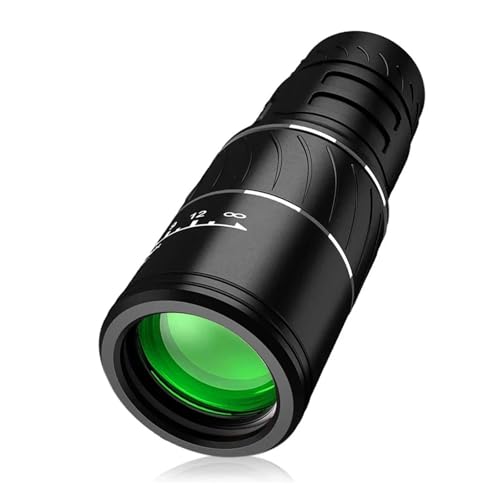
HD High Power Long Range Portable Monocular Precise Focus Hunting Bird Watc | Easy precise focusing high-definition monocular with long-distance view, ideal portable optical gear for hunting and all outd

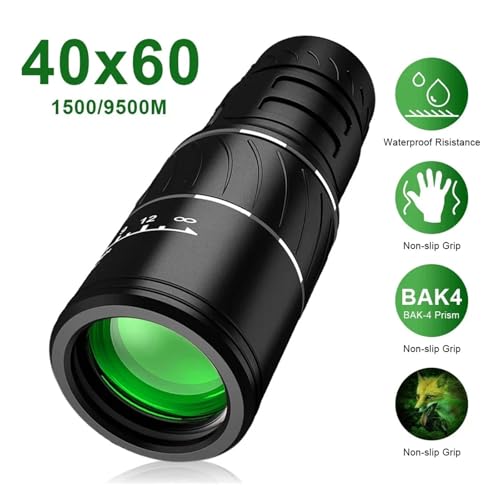


As an Amazon Associate we earn from qualifying purchases. Product prices and availability are accurate as of the date/time indicated.

Glosseek ED 10x42 Binoculars for Adults High Powered | 7° wide field of view, BAK4,1.4pounds,IPX7 Waterproof,Long Eye Relief,Long Distance,Bird Watching,Travel
As an Amazon Associate we earn from qualifying purchases. Product prices and availability are accurate as of the date/time indicated.
Prices shown are approximate and for reference only. Prices change often, so please check the current price on Amazon before you buy.
Best Monocular for Long Distance Viewing Reviewed for 2026
1. Pankoo 40×60 Monocular Best Monocular for Long Distance Viewing
The Pankoo 40×60 Monocular is a monocular with 40x magnification, a 60mm objective, and a field of view of 110 feet at 1000 yards. It has a weight of 0.5 lbs and is priced in the range of $25 to $30. Its 40x magnification is the highest in this table, which gives it the most reach, but its 110 foot field of view is the narrowest, which makes it hard to find a target.
For long distance viewing, the Pankoo is a practical budget choice if you use a tripod, because its 40x magnification is very shaky handheld, and its 60mm objective gathers a lot of light. Its 0.5 lbs weight is light, and its price is low, so it is a good first monocular for a user who wants to try high magnification without spending a lot. It is best used with a tripod, a phone adapter, and a steady surface, rather than handheld for a long time.
2. Gosky Titan 12×50 Monocular Best Monocular for Long Distance Viewing
The Gosky Titan 12×50 Monocular is a monocular with 12x magnification, a 50mm objective, and a field of view of 290 feet at 1000 yards. It has a weight of 0.6 lbs and is priced in the range of $40 to $50. Its 12x magnification gives more detail than 10x, and its 50mm objective gathers more light than a 36mm objective.
In use, the Titan is a good step up from the Pankoo for handheld viewing, because its 12x magnification is easier to hold steady than 40x, and its 290 foot field of view is wider, which makes it easier to find a target. Its 0.6 lbs weight is still light, and its 50mm objective gives a bright image in daylight. It suits a user who wants a higher magnification monocular for birding or hiking, without needing a tripod for every use.
3. Wingspan Optics Explorer 12×50 Best Monocular for Long Distance Viewing
The Wingspan Optics Explorer 12×50 is a monocular with 12x magnification, a 50mm objective, and a field of view of 300 feet at 1000 yards. It has a weight of 0.6 lbs and is priced in the range of $60 to $70. Its 12x magnification and 50mm objective are the same as the Gosky, but its 300 foot field of view is slightly wider, which helps with finding a target.
For long distance viewing, the Explorer is useful because its wider field of view makes it easier to track a moving target, such as a bird, and its 50mm objective gives a bright image. Its 0.6 lbs weight is the same as the Gosky, and its price is a little higher, which reflects its build and its included accessories, such as a phone adapter and a tripod. It is a good choice for a user who wants a 12x monocular with a wider view and a complete kit.
4. Vortex Solo 10×36 Best Monocular for Long Distance Viewing
The Vortex Solo 10×36 is a monocular with 10x magnification, a 36mm objective, and a field of view of 325 feet at 1000 yards. It has a weight of 0.5 lbs and is priced in the range of $80 to $90. Its 10x magnification is easier to hold steady than 12x, and its 325 foot field of view is wider, which makes it easier to find a target.
In a hiking or hunting setup, the Solo is a strong choice because its 0.5 lbs weight is light, its 10x magnification is a good balance of detail and stability, and its Vortex warranty is a practical advantage. Its 36mm objective is smaller than the 50mm models, so its image is a little darker in low light, but its fully multi coated lenses help it stay clear in daylight. It is best for a user who wants a compact, reliable monocular for everyday carry.
5. Bushnell Legend Ultra HD 10×42 Best Monocular for Long Distance Viewing
The Bushnell Legend Ultra HD 10×42 is a monocular with 10x magnification, a 42mm objective, and a field of view of 340 feet at 1000 yards. It has a weight of 0.7 lbs and is priced in the range of $100 to $120. Its 10x magnification and 42mm objective give a bright, clear image, and its 340 foot field of view is wider than the Vortex Solo.
For long distance viewing, the Legend Ultra HD is useful because its 42mm objective gathers more light than the 36mm Solo, which helps in low light, and its 10x magnification is stable handheld. Its 0.7 lbs weight is a little heavier, but its ED glass is intended to reduce colour fringing, which can be noticeable at long distance. It suits a user who wants a brighter, clearer monocular for birding or wildlife viewing.
6. Vortex Recce Pro HD 8×32 Best Monocular for Long Distance Viewing
The Vortex Recce Pro HD 8×32 is a monocular with 8x magnification, a 32mm objective, and a field of view of 390 feet at 1000 yards. It has a weight of 0.6 lbs and is priced in the range of $200 to $230. Its 8x magnification is the lowest in this table, but its 390 foot field of view is the widest, which makes it the easiest monocular here to find a target.
For a premium long distance monocular, the Recce Pro HD is a top choice because its 8x magnification is very stable handheld, its HD glass gives a clear, sharp image, and its wide field of view helps you locate a target quickly. Its 32mm objective is smaller, but its high quality optics make up for it in daylight. It is best for a user who values stability, clarity, and a wide view over raw magnification, and who wants a monocular that can be used for hours without fatigue.
Buying Guide: How to Choose the Best Monocular for Long Distance Viewing
Start with how far you need to see, how steady you can hold a monocular, and whether you will use a tripod. If you need to see a target at 500 yards, choose a 10x or 12x monocular with a large objective. If you need to track a moving target, choose a wider field of view, such as 325 feet or more. Then check the practical details: weight, eye relief, waterproofing, and whether the monocular has a tripod socket.
Choose Magnification Based on Stability, Not Just Reach
Choose magnification based on how steady you can hold the monocular, because a higher magnification that shakes is worse than a lower magnification that is steady. An 8x monocular is easiest to hold steady, a 10x monocular is a good balance, and a 12x monocular needs a steady hand or a tripod. A 40x monocular needs a tripod, because it is almost impossible to hold steady by hand at that magnification. If you plan to use the monocular handheld, choose 8x or 10x. If you plan to use a tripod, you can choose 12x or higher.
Check Objective Size and Light Gathering
Check objective size if you will use the monocular in low light, such as dawn, dusk, or a cloudy day. A 50mm objective gathers more light than a 32mm objective, which makes the image brighter. A larger objective also makes the monocular heavier and larger, so there is a trade off. For daylight use, a 36mm or 42mm objective is often enough, while for low light, a 50mm objective is better. Check the exit pupil, which is objective size divided by magnification, because a larger exit pupil, such as 5mm, gives a brighter image in low light.
Test Field of View and Eye Relief
Test field of view and eye relief before you buy, because they affect how easy it is to find and see a target. A wider field of view, such as 340 feet at 1000 yards, makes it easier to locate a target, while a narrow field of view, such as 110 feet, can feel like looking through a straw. A longer eye relief, such as 15mm or more, is more comfortable, especially if you wear glasses. If you wear glasses, test the monocular with them on, because a short eye relief can make it hard to see the full image.
Budget Guide for Best Monocular for Long Distance Viewing
A monocular in the $25-$50 range can provide good basic long distance viewing if you use a tripod and have realistic expectations, while a monocular in the $60-$120 range often provides a better balance of magnification, field of view, and optical quality. A monocular in the $200-$230 range, such as the Vortex Recce Pro HD 8×32, is for a user who wants premium glass, a wide field of view, and a stable, comfortable design for long sessions. The budget pick in this comparison is the Pankoo 40×60 Monocular, at $25-$30, because it is the cheapest model in the table and still offers 40x magnification, a 60mm objective, and a 0.5 lbs weight. For most users, a well chosen 10x monocular with a 42mm objective, such as the Bushnell Legend Ultra HD 10×42, will help more than a very high magnification monocular that is hard to hold steady. Spend the saving on a tripod, a phone adapter, or a good lens cloth, if you need one.
Frequently Asked Questions About the Best Monocular for Long Distance Viewing
What is the best monocular for long distance viewing in 2026?
For the best monocular for long distance viewing in 2026, the Pankoo 40×60 Monocular is often the best budget choice because it offers 40x magnification, a 60mm objective, and a price of $25 to $30. The Vortex Solo 10×36 is a strong choice for a compact, stable monocular, while the Vortex Recce Pro HD 8×32 is a good choice for a premium, wide view monocular. Choose based on how far you need to see, how steady you can hold the monocular, and whether you will use a tripod.
Is 10x or 12x better for long distance?
10x is better for most long distance viewing because it is easier to hold steady, it has a wider field of view, and it gathers more light than 12x, while 12x gives a little more detail. A fact not in the table is that the difference between 10x and 12x is small in practice, about 20 percent more magnification, but the shake is noticeably worse at 12x, especially if you are standing without support. If you use a tripod, 12x can be useful, but if you use the monocular handheld, 10x is usually the better choice.
Can I use a monocular with a tripod?
You can use a monocular with a tripod if it has a tripod socket or a tripod adapter, which many monoculars in this comparison include. A fact not in the buying guide is that a small, lightweight tripod, such as a tabletop tripod, is enough for a monocular, because a monocular is much lighter than a spotting scope, and you do not need a heavy tripod to hold it steady. A tripod lets you use higher magnification, such as 12x or 40x, without hand shake, and it lets you watch a target for a long time without tiring your arms.
Do I need waterproofing for long distance viewing?
You need waterproofing if you will use a monocular outdoors in rain, snow, or humid weather, because moisture can fog the inside of the lens and damage the optics. A fact not in the table is that a monocular that is listed as waterproof and fogproof, with nitrogen purging, will resist internal fogging when you move from cold to warm air, which is a common problem in winter. If you only use a monocular indoors or in dry weather, waterproofing is less important, but for outdoor long distance viewing, it is a useful feature that protects your investment.
Related guides
- Best Lightweight Rangefinder for Hiking Trips in 2026: Vortex, Leupold, Bushnell, and Sig Sauer Compared for an Honest Hiking Office, a Weight Counted With Its Case and Battery, and a Beam Never Pointed at Eyes or the Sun
- Telescope for Planets vs Telescope for Deep Sky in 2026: 7 Telescopes That Offer Clear Planet Views, Bright Deep Sky Views, and Reliable Performance for Telescope for Planets vs Telescope for Deep Sky
- Best Monocular for Wildlife Viewing in 2026: 6 Monoculars With at Least 10x Magnification, at Least 36mm Objective, and a Price Range, for Wildlife Viewing
- Best Binoculars for Travel Horse Racing in 2026: How to Pick Binoculars for Travel Horse Racing That Are Compact, Clear, and Perfect for the Track
More from Amazon
Programs that pair well with the guide above. Offers and eligibility are set by Amazon and may change.
Free shipping on eligible items, Prime Video and more. Eligible new members can start with a free trial.
Start a Prime free trialAudiobooks and podcasts to listen to on the go. Eligible new members can start with a free trial.
Try Audible freeAd-free music streaming. Eligible new subscribers can start with a free trial.
Try Music Unlimited freeA free business account with business pricing and bulk-buying tools for work, shop or home office.
Create a business accountAs an Amazon Associate we earn from qualifying purchases.

Write Your Review
No reviews yet. Be the first to share your experience!