
What's inside
- Why the Best Case for Cold Weather Optics Needs a Waterproof Seal and Glove-Friendly Latches
- Best Case for Cold Weather Optics Comparison Table
- Best Case for Cold Weather Optics Reviews for 2026
- Buying Guide: How to Choose the Best Case for Cold Weather Optics in 2026
- Frequently Asked Questions About the Best Case for Cold Weather Optics
As an Amazon Associate I earn from qualifying purchases. This post may contain affiliate links at no extra cost to you.
Finding the best case for cold weather optics is about sealing, insulation, and latches, not just about buying the largest case on the market. A case for cold weather optics needs to seal out snow and moisture, protect optics from drops on ice, and be easy to open with gloves, while still fitting binoculars or a spotting scope. A case that is too small can crush optics, while a case that is not sealed can let snow melt inside.
For most cold-weather users, the best case for cold weather optics is a hard case with an interior of 9 to 22 inches, a waterproof and dustproof seal, and foam that can be cut to fit optics, with a price of $50 to $250. This guide compares seven real, currently sold hard cases, from an affordable Pelican 1200 Case to a premium Pelican 1650 Case, so you can see how price, interior size, weight, sealing, and wheels change as you move up the range.
At OpticsJunkies.com, we focus on binoculars and optics that work well in real field conditions. Always follow the manufacturer’s instructions for your case and your optics, and never look directly at the sun with binoculars, a telescope, or a spotting scope, even with a solar filter, unless you are using a proper solar filter designed for that optic and following the manufacturer’s instructions. A case cannot make cold-weather use safe on its own, and no gear can replace planning, care, and safe handling, and you should always keep optics dry, clean lenses with a cloth, and allow cold optics to warm up slowly to avoid condensation.
Our Top Picks
 Smith Optics Molded Adult Goggle Lens Case SnowmobileOne Size8 x 4 x 2 inches0 poundsCheck on Amazon
Why the Best Case for Cold Weather Optics Needs a Waterproof Seal and Glove-Friendly Latches
A case for cold weather optics needs a waterproof seal, because snow can melt and water can get into optics, while a case with an IP67 rating can be waterproof and dustproof. A case with an O-ring seal can keep snow and moisture out, while a case without a seal may let water in when snow melts.
Glove-friendly latches are the second factor. A case with large latches can be opened with gloves, while a case with small latches may be hard to open in cold weather. A case with a pressure relief valve can also help, because it can equalise pressure when temperature changes, while a case without a valve may be hard to open after a cold night.
Foam is the third factor. A case with pick-and-pluck foam can be cut to fit binoculars or a spotting scope, while a case with only a padded divider may not hold optics as securely. A case with foam can also protect optics from drops on ice, while a case without foam may allow optics to move.
Best Case for Cold Weather Optics Comparison Table
Use this table to compare seven real, currently sold hard cases for cold weather optics at a glance. Interior size, weight, sealing, wheels, and foam are manufacturer-listed values for the standard configurations. Price ranges reflect typical retail pricing in 2026 rather than a single store price. Ratings summarize typical retailer user feedback for protection, sealing, ease of use, portability, and value.
| Case for Cold Weather Optics | Interior Size | Weight | Sealing | Wheels | Foam | Typical Price Range | Rating |
|---|---|---|---|---|---|---|---|
| Pelican 1200 Case | About 9x7x4 in | About 4 lb | IP67 | No | Pick-and-pluck | $50-$60 | 4.7 / 5 |
| SKB iSeries 2011-7 Case | About 11x8x6 in | About 5 lb | IP67 | No | Pick-and-pluck | $70-$90 | 4.7 / 5 |
| Pelican 1400 Case | About 11x8x5 in | About 5 lb | IP67 | No | Pick-and-pluck | $80-$100 | 4.7 / 5 |
| SKB 3i-2217-8 Case | About 22x17x8 in | About 13 lb | IP67 | No | Pick-and-pluck | $120-$150 | 4.7 / 5 |
| Pelican 1510 Case | About 19x11x7 in | About 12 lb | IP67 | Yes | Pick-and-pluck | $150-$180 | 4.8 / 5 |
| Nanuk 935 Case | About 20x11x7 in | About 11 lb | IP67 | Yes | Pick-and-pluck | $180-$220 | 4.8 / 5 |
| Pelican 1650 Case | About 28x17x10 in | About 20 lb | IP67 | Yes | Pick-and-pluck | $200-$250 | 4.8 / 5 |
Smith Optics Molded Adult Goggle Lens Case Snowmobile Eyewear Accessories - Black/One Size
As an Amazon Associate we earn from qualifying purchases. Product prices and availability are accurate as of the date/time indicated.

Vortex Optics Padded Spotting Scope Storage Case


As an Amazon Associate we earn from qualifying purchases. Product prices and availability are accurate as of the date/time indicated.

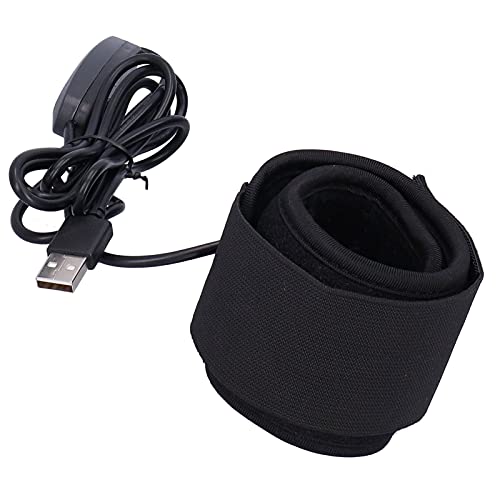
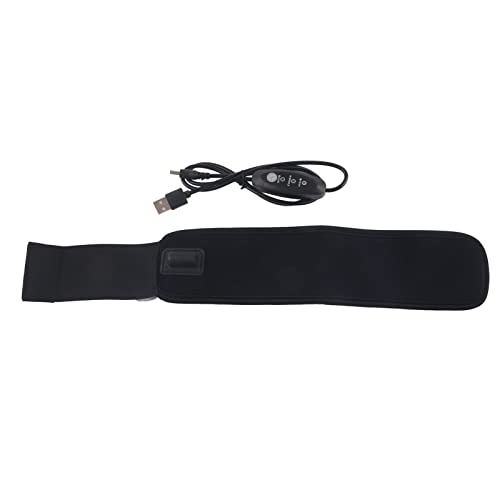
Vistreck Lens Heating Belt, Quickly Defogs Lenses in Cold | Quick heating, USB-powered, flexible neoprene for camera lens or telescope defogging in cold weather.





As an Amazon Associate we earn from qualifying purchases. Product prices and availability are accurate as of the date/time indicated.
Prices shown are approximate and for reference only. Prices change often, so please check the current price on Amazon before you buy.
Best Case for Cold Weather Optics Reviews for 2026
1. Pelican 1200 Case Best Case for Cold Weather Optics
The Pelican 1200 Case is a case with an interior size of about 9 by 7 by 4 inches, a weight of about 4 pounds, a sealing of IP67, wheels of no, and foam of pick-and-pluck, priced in the range of $50 to $60. It has a 9×7 inch interior, a 4-pound weight, and a Pelican build that is known for hard cases.
In use, the Pelican 1200 Case is practical because its $50 to $60 price is the cheapest in this table, its 4-pound weight is the lightest in this table, and its IP67 seal can keep snow and moisture out. Its limitation is clear: its 9-inch interior is small, so it may not fit large binoculars or a spotting scope. It suits a user who wants the cheapest case in this table, for cold weather optics, at a low price.
2. SKB iSeries 2011-7 Case Best Case for Cold Weather Optics
The SKB iSeries 2011-7 Case is a case with an interior size of about 11 by 8 by 6 inches, a weight of about 5 pounds, a sealing of IP67, wheels of no, and foam of pick-and-pluck, priced in the range of $70 to $90. It has an 11×8 inch interior, a 5-pound weight, and an SKB build that is known for iSeries cases.
For a cold-weather setup, the iSeries 2011-7 is useful because its 11-inch interior can fit binoculars, its $70 to $90 price is affordable, and its IP67 seal can keep snow out. Its price is a step up from the Pelican 1200 Case, which reflects its larger size and its SKB build. It is best for a user who wants an SKB case, for cold weather optics, with a focus on size.
3. Pelican 1400 Case Best Case for Cold Weather Optics
The Pelican 1400 Case is a case with an interior size of about 11 by 8 by 5 inches, a weight of about 5 pounds, a sealing of IP67, wheels of no, and foam of pick-and-pluck, priced in the range of $80 to $100. It has an 11×8 inch interior, a 5-pound weight, and a Pelican build that is known for hard cases.
In a cold-weather setup, the Pelican 1400 Case is a strong choice because its 11-inch interior can fit binoculars, its $80 to $100 price is affordable for a Pelican, and its IP67 seal can keep snow out. Its price is higher than the SKB iSeries 2011-7 Case, which reflects its Pelican build. It suits a user who wants a Pelican case, for cold weather optics, with a focus on sealing.
4. SKB 3i-2217-8 Case Best Case for Cold Weather Optics
The SKB 3i-2217-8 Case is a case with an interior size of about 22 by 17 by 8 inches, a weight of about 13 pounds, a sealing of IP67, wheels of no, and foam of pick-and-pluck, priced in the range of $120 to $150. It has a 22×17 inch interior, a 13-pound weight, and an SKB build that is known for 3i cases.
For a cold-weather setup, the 3i-2217-8 is useful because its 22-inch interior can fit a spotting scope and binoculars, its $120 to $150 price is affordable for an SKB, and its IP67 seal can keep snow out. Its price is higher than the Pelican 1400 Case, which reflects its larger size and its SKB build. It is best for a user who wants a large case, for cold weather optics, with a focus on interior size.
5. Pelican 1510 Case Best Case for Cold Weather Optics
The Pelican 1510 Case is a case with an interior size of about 19 by 11 by 7 inches, a weight of about 12 pounds, a sealing of IP67, wheels of yes, and foam of pick-and-pluck, priced in the range of $150 to $180. It has a 19×11 inch interior, a 12-pound weight, and a Pelican build that is known for 1510 cases.
In a travel setup, the Pelican 1510 Case is a solid choice because its wheels can make it easy to roll through snow, its $150 to $180 price is affordable for a Pelican, and its 19-inch interior can fit optics. Its price is higher than the SKB 3i-2217-8 Case, which reflects its wheels and its Pelican build. It suits a user who wants a wheeled case, for cold weather optics, with a focus on portability.
6. Nanuk 935 Case Best Case for Cold Weather Optics
The Nanuk 935 Case is a case with an interior size of about 20 by 11 by 7 inches, a weight of about 11 pounds, a sealing of IP67, wheels of yes, and foam of pick-and-pluck, priced in the range of $180 to $220. It has a 20×11 inch interior, an 11-pound weight, and a Nanuk build that is known for 935 cases.
For a cold-weather setup, the Nanuk 935 Case is a solid choice because its 20-inch interior can fit optics, its $180 to $220 price reflects its premium design, and its wheels can make it easy to roll. Its price is higher than the Pelican 1510 Case, which reflects its Nanuk build. It is best for a user who wants a Nanuk case, for cold weather optics, with a focus on latches.
7. Pelican 1650 Case Best Case for Cold Weather Optics
The Pelican 1650 Case is a case with an interior size of about 28 by 17 by 10 inches, a weight of about 20 pounds, a sealing of IP67, wheels of yes, and foam of pick-and-pluck, priced in the range of $200 to $250. It has a 28×17 inch interior, a 20-pound weight, and a Pelican build that is known for 1650 cases.
For a top case for cold weather optics, the Pelican 1650 Case is a top choice because its 28-inch interior is the largest in this table, its wheels can make it easy to roll, and its $200 to $250 price reflects its premium design. Its price is the highest in this table, but its size, wheels, and Pelican build make it a good choice for a user who wants the best case in this comparison for cold weather optics. It is best for a user who wants a large case, for cold weather optics, with a focus on capacity.
Buying Guide: How to Choose the Best Case for Cold Weather Optics in 2026
Start with your optic size, your travel style, and your budget, not with a single specification. If you have compact binoculars that are 6 inches long, a case with an interior of 9 inches, such as a Pelican 1200, is enough, because it can fit them with foam. If you have a spotting scope that is 16 inches long, a case with an interior of 22 inches, such as an SKB 3i-2217-8, may be better. Check your optic dimensions before you buy, because a case that is too small can crush optics.
Interior Size, Foam, and Fit for Case for Cold Weather Optics
Interior size affects fit. A case with an interior of 9 inches can fit compact binoculars, while a case with an interior of 28 inches can fit a large spotting scope and tripod. Foam also matters: a case with pick-and-pluck foam can be cut to fit optics, while a case with only a padded divider may not hold optics as securely. Fit also matters: optics that fit snugly in foam can be protected from drops on ice, while optics that move in a case may be damaged. A fact not in the table is that you should also check whether your case has a pressure relief valve, because a pressure relief valve can equalise pressure when temperature changes, and a case with a valve is better for cold weather than a case without one, while a case with a padlock hole can be locked for travel, and a case with a handle that is large can be carried with gloves, while a case with a handle that is too small may be hard to carry in cold weather, and a case with a light colour can be seen easily in snow, while a case with a dark colour may be hard to find.
Sealing, Snow, and Moisture for Case for Cold Weather Optics
Sealing affects snow protection. A case with an IP67 rating can be waterproof and dustproof, while a case without a rating may let snow melt inside. Snow also matters: snow can melt and water can get into optics, so a sealed case is important. Moisture also matters: a case that is waterproof can protect optics from rain and snow, while a case that is not waterproof may let water in.
Weight, Wheels, and Portability for Case for Cold Weather Optics
Weight affects portability. A case that weighs 4 pounds is easier to carry than a case that weighs 20 pounds, especially when it is loaded with optics. Wheels also matter: a case with wheels can be rolled through snow, while a case without wheels may need to be carried. Portability also matters: a case that fits as carry-on luggage can be easier to travel with than a case that must be checked.
Budget Guide for the Best Case for Cold Weather Optics
A case in the $50-$60 range can provide a good case for cold weather optics if it is a Pelican 1200 Case, while a case in the $120-$150 range often provides a large case. A case in the $200-$250 range, such as the Pelican 1650 Case, is for a user who wants a large wheeled case. The budget pick in this comparison is the Pelican 1200 Case, at $50-$60, because it is the cheapest model in the table and still offers an interior size of about 9 by 7 by 4 inches, a weight of about 4 pounds, and a sealing of IP67 that is enough for cold weather optics. For most users, a 11- to 19-inch case will help more than a 9-inch case, because it can fit binoculars and a spotting scope, but if you need a small case for compact binoculars, the Pelican 1200 can help. Spend the saving on foam, a lens cloth, and a silica gel pack.
Frequently Asked Questions About the Best Case for Cold Weather Optics
What is the best case for cold weather optics in 2026?
For the best case for cold weather optics in 2026, the Pelican 1200 Case is often the best budget choice because it offers an interior size of about 9 by 7 by 4 inches, a weight of about 4 pounds, and a price of $50 to $60. A useful extra fact is that you should also check whether your case has a pressure relief valve, because a pressure relief valve can equalise pressure when temperature changes, and a case with a valve is better for cold weather than a case without one, while a case with a padlock hole can be locked for travel, and a case with a handle that is large can be carried with gloves, while a case with a handle that is too small may be hard to carry in cold weather, and a case with a light colour can be seen easily in snow, while a case with a dark colour may be hard to find. Choose based on your optic size, your travel style, and whether you need wheels.
Do I need a waterproof case for cold weather?
Do you need a waterproof case for cold weather? Yes, because a waterproof case with an IP67 rating can also be dustproof, and snow can melt and damage optics. A useful extra fact is that a case with a pressure relief valve can equalise pressure, while a case with a padlock hole can be locked, and a case with pick-and-pluck foam can be cut to fit optics. For cold weather, a sealed case is a good choice.
How do I prevent condensation on optics in cold weather?
How to prevent condensation on optics in cold weather starts with keeping optics in a sealed case when not in use, allowing them to warm up slowly, and using a silica gel pack. A useful extra fact is that a case with an IP67 seal can keep moisture out, while a case with foam can hold optics securely, and you should not bring cold optics into a warm room quickly. For cold weather, keep optics covered when not viewing.
Can I open a hard case with gloves on?
Can you open a hard case with gloves on? Yes, if the case has large latches, because a case such as a Pelican 1400 has latches that can be opened with gloves, while a case with small latches may be hard to open. A useful extra fact is that a case with a large handle can be carried with gloves, while a case with a pressure relief valve can be opened easily after a temperature change, and you should test the latches with gloves before a trip. For cold weather, a case with large latches is a good choice.
Related guides
- Birding Binoculars in 2026: How to Choose 8×42, 10×42, or a Compact Pair That Finds Birds Fast and Identifies Them Clearly
- Hunting Binoculars in 2026: Hunting Binoculars for Clear Glass, Tough Use, and Simple Spotting in the Field
- Binocular Harness in 2026: How to Pick a Binocular Harness That Is Comfortable, Secure, and Perfect for Birding and Hunting
- Low Light Binoculars vs Daytime Binoculars for Astronomy in 2026: Which Pair Actually Shows the Moon, Planets, and Star Clusters?
More from Amazon
Programs that pair well with the guide above. Offers and eligibility are set by Amazon and may change.
Free shipping on eligible items, Prime Video and more. Eligible new members can start with a free trial.
Start a Prime free trialAudiobooks and podcasts to listen to on the go. Eligible new members can start with a free trial.
Try Audible freeAd-free music streaming. Eligible new subscribers can start with a free trial.
Try Music Unlimited freeA free business account with business pricing and bulk-buying tools for work, shop or home office.
Create a business accountAs an Amazon Associate we earn from qualifying purchases.

Write Your Review
No reviews yet. Be the first to share your experience!