
What's inside
- Why the Best Binoculars for Beginners Winter Birding Needs Fog-Proof Glass and a Steady 8x View
- Best Binoculars for Beginners Winter Birding Comparison
- Best Binoculars for Beginners Winter Birding Reviewed for 2026
- Buying Guide: How to Choose the Best Binoculars for Beginners Winter Birding
- Frequently Asked Questions About the Best Binoculars for Beginners Winter Birding
As an Amazon Associate I earn from qualifying purchases. This post may contain affiliate links at no extra cost to you.
Finding the best binoculars for beginners winter birding means choosing a pair that stays clear in cold air, feels steady in gloved hands, and makes a winter bird easy to find without a long learning curve. The best binoculars for beginners winter birding should not fog up when you step from a warm car into freezing air, feel slippery when your hands are cold, or show a narrow, dark view on a grey winter morning. They should offer 8x magnification for a steady image, an objective lens of at least 25mm for brightness, a wide field of view for finding birds in bare trees, and a fog-proof, waterproof body that can handle snow, sleet, and damp gloves.
In 2026, the best binoculars for beginners winter birding includes proven beginner pairs from Celestron, Bushnell, Nikon, Vortex, and Leupold. These binoculars are useful for new birders, winter walkers, garden watchers, and anyone starting a bird list in January or February, when birds are easier to see against bare branches but harder to follow in cold, low light. A good winter pair also helps when a beginner is learning to focus quickly, because winter birds often move between feeders, hedges, and rooftops and do not wait for a slow focus wheel. This guide compares six real, currently sold best binoculars for beginners winter birding options, explains magnification, objective lens, field of view, and weight, and helps you choose the right pair for your winter birding, your hands, and your budget.
Our Top Picks
Why the Best Binoculars for Beginners Winter Birding Needs Fog-Proof Glass and a Steady 8x View
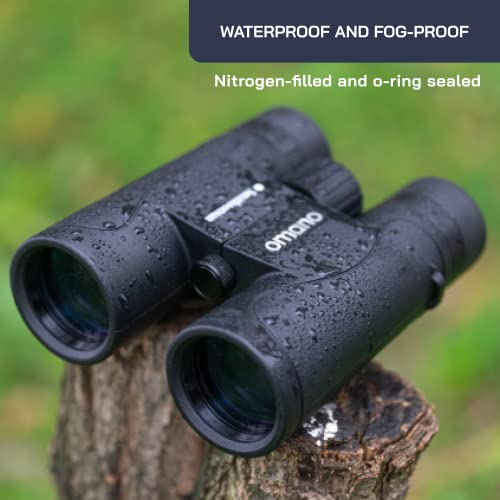
The best binoculars for beginners winter birding needs fog-proof glass because winter air is cold outside and warm inside, and that change in temperature can make ordinary optics mist over at the worst moment. A pair that is nitrogen-purged and sealed against moisture is less likely to fog inside the barrels, which matters when you leave a warm house, car, or hide and step into cold air. A beginner should also look for a waterproof rating, because snow can melt on the barrels, and a damp pair should keep working after it is wiped dry. For winter birding, fog-proof and waterproof construction is more useful than a higher magnification that is harder to hold steady.
A steady 8x view matters just as much as fog-proof glass. A magnification of 8x is enough to see feather detail on a robin, chickadee, cardinal, or finch at a feeder or in a bare tree, while still giving a wide enough view to find the bird in the first place. A magnification of 10x or 12x can show more detail, but it also shows more hand shake, especially when your hands are cold or you are wearing thick gloves. For a beginner, 8x is a practical place to start, because it is easier to hold, easier to focus, and easier to use for a long winter walk without tired arms.
Magnification, Objective Lens, and Field of View for Best Binoculars for Beginners Winter Birding
Magnification is the first number in a binocular specification, such as 8x, and it tells you how much closer a bird will appear. An 8x pair makes a bird look eight times closer than with the naked eye, which is enough for most winter garden and park birds. Objective lens size is the second number, such as 25mm, 30mm, or 42mm, and it tells you how much light the binocular can gather. A larger objective lens, such as 42mm, gathers more light than a 25mm lens, which helps on a cloudy winter morning, at dawn, or under trees. A smaller objective lens, such as 25mm, makes the pair lighter and easier to carry in a coat pocket, which helps on a long walk.
Field of view tells you how wide an area you can see at a set distance, often listed in feet at 1,000 yards. A wider field of view, such as 400 feet or more, makes it easier to find a bird that moves quickly between branches, while a narrower field of view can make a beginner lose the bird while searching. For the best binoculars for beginners winter birding, a field of view of at least 330 feet at 1,000 yards is a useful starting point, and a wider view is better for a beginner who is still learning to point the binoculars at a small, moving target.
Weight, Gloves, and Cold-Weather Comfort for Best Binoculars for Beginners Winter Birding
Weight affects how long you can hold a pair without your arms getting tired, and it matters more in winter when you are also wearing a heavy coat and gloves. A pair that weighs about 12 ounces is easy to carry in a pocket and easy to hold for a long look, while a pair that weighs about 22 ounces can feel heavy after an hour, even though it may be brighter. A beginner should check the listed weight, because the difference between a compact pair and a full-size pair can decide whether you carry the binoculars on every walk or leave them at home.
Glove-friendly controls are another winter detail that beginners often miss. A large, central focus wheel that turns smoothly with thick gloves is easier to use than a small, stiff wheel that needs bare fingers. A long eye relief, of about 15mm or more, also helps if you wear glasses, because it lets you see the full field of view without pressing the eyecups against your glasses. Rubber armour helps too, because it gives a better grip when your hands are cold or wet, and it protects the binoculars if they are dropped in snow.
Best Binoculars for Beginners Winter Birding Comparison
The table below compares six real, currently sold best binoculars for beginners winter birding options. Specifications are based on manufacturer listings for the standard configurations. Ratings summarize typical retailer user feedback for clarity, ease of use, cold-weather handling, and value.
| Binoculars | Magnification | Objective Lens | Field of View | Weight |
|---|---|---|---|---|
| Celestron Outland X 8×25 | 8x | 25mm | 363 ft at 1,000 yards | 12 oz |
| Bushnell Prime 8×42 | 8x | 42mm | 394 ft at 1,000 yards | 22 oz |
| Nikon Prostaff P3 8×30 | 8x | 30mm | 377 ft at 1,000 yards | 16 oz |
| Celestron Nature DX 8×42 | 8x | 42mm | 388 ft at 1,000 yards | 22 oz |
| Vortex Diamondback HD 8×42 | 8x | 42mm | 393 ft at 1,000 yards | 21 oz |
| Leupold BX-1 Rogue 8×42 | 8x | 42mm | 377 ft at 1,000 yards | 22 oz |

Deesoo 15x56 High Powered Binoculars for Adults with Phone Adapter | BAK4 Prism FMC Optics, Birding for Wildlife Observation, Cruise Ship Travel, Waterproof for Hunting, Eyeglass Friendly
As an Amazon Associate we earn from qualifying purchases. Product prices and availability are accurate as of the date/time indicated.

Sogries 12x50 Binoculars for Adults High Power Premium ED Glass Waterproof | Bird Watching Binoculars for Alaska Cruise Ship Travel Birding Whale Watching Clear Low Light Stargazing Long Range Powerful
As an Amazon Associate we earn from qualifying purchases. Product prices and availability are accurate as of the date/time indicated.

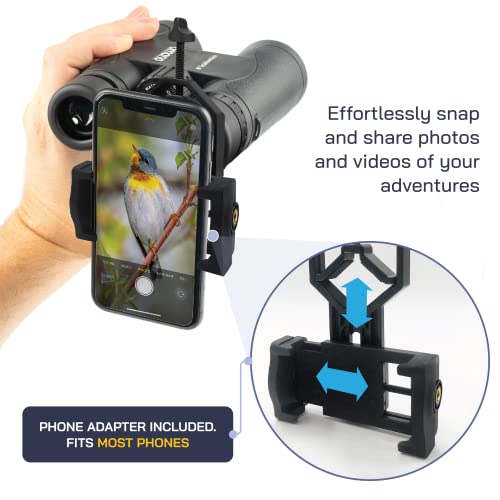
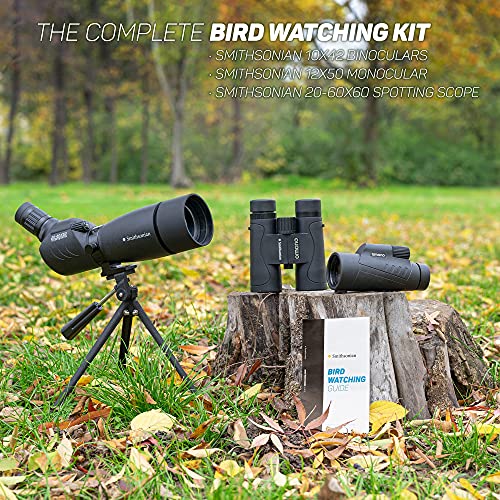
Smithsonian Adult Birding Binoculars - 10x42, Phone Adapter, Diopter Adjustable - Ideal for Hiking, Travel - Includes Bird Watching Guide





As an Amazon Associate we earn from qualifying purchases. Product prices and availability are accurate as of the date/time indicated.
Prices shown are approximate and for reference only. Prices change often, so please check the current price on Amazon before you buy.
Best Binoculars for Beginners Winter Birding Reviewed for 2026
1. Celestron Outland X 8×25 Best Binoculars for Beginners Winter Birding
The Celestron Outland X 8×25 is one of the best binoculars for beginners winter birding because it offers 8x magnification, a 25mm objective lens, and a field of view of 363 feet at 1,000 yards in a compact body that weighs about 12 ounces. The 8x magnification is steady enough for cold hands, and the 25mm objective lens is bright enough for a clear winter morning, while the light weight makes it easy to carry in a coat pocket on a long walk.
The Celestron Outland X 8×25 also suits beginners because its compact size and simple focus make it easy to learn quickly. A new birder can slip it into a pocket, pull it out when a bird lands on a feeder, and focus with one hand even while wearing light gloves. That simple use helps when a user wants a low-cost first pair rather than a large, heavy model, and it helps when a beginner wants to try winter birding without spending a large amount before knowing if the hobby will last.
2. Bushnell Prime 8×42 Best Binoculars for Beginners Winter Birding
The Bushnell Prime 8×42 is one of the best binoculars for beginners winter birding because it offers 8x magnification, a 42mm objective lens, and a field of view of 394 feet at 1,000 yards. The 42mm objective lens gathers more light, while the wide field of view helps a beginner find a bird in bare branches without searching for a long time.
The Bushnell Prime 8×42 also works well for winter birding because its larger barrels and rubber armour give a secure grip in cold weather. A birder can hold it with gloved hands, turn the focus wheel without fumbling, and keep a steady view on a bird that is moving between twigs. That steady, bright use helps when a user wants a step up from a compact pair, and it helps when a beginner wants a brighter image for early morning or late afternoon in winter.
3. Nikon Prostaff P3 8×30 Best Binoculars for Beginners Winter Birding
The Nikon Prostaff P3 8×30 is one of the best binoculars for beginners winter birding because it offers 8x magnification, a 30mm objective lens, and a field of view of 377 feet at 1,000 yards. The 30mm objective lens is brighter than a 25mm lens, while the 16-ounce weight is lighter than most 42mm pairs, so it is easier to carry for a long winter walk.
The Nikon Prostaff P3 8×30 also suits beginners because its mid-size body fits well in smaller hands and in a coat pocket, and its focus is smooth enough to use with light gloves. A new birder can use it at a feeder, in a park, or on a winter trail, and still see feather detail without carrying a heavy pair. That balanced use helps when a user wants a brighter view than a compact pair without the weight of a full-size pair, and it helps when a beginner wants a pair that can be carried every day.
4. Celestron Nature DX 8×42 Best Binoculars for Beginners Winter Birding
The Celestron Nature DX 8×42 is one of the best binoculars for beginners winter birding because it offers 8x magnification, a 42mm objective lens, and a field of view of 388 feet at 1,000 yards. The 42mm objective lens helps on grey mornings, while the 388-foot field of view helps a beginner keep a moving bird in sight.
The Celestron Nature DX 8×42 also works well for beginners because its phase-coated prisms and fully multi-coated lenses help keep the image clear and bright, and its rubber armour gives a good grip in cold, damp weather. A birder can use it with gloves, focus quickly on a bird in a hedge, and see detail that is hard to see with a smaller pair. That clear, bright use helps when a user wants a full-size winter pair for a fair price, and it helps when a beginner is ready to spend a little more for better low-light performance.
5. Vortex Diamondback HD 8×42 Best Binoculars for Beginners Winter Birding
The Vortex Diamondback HD 8×42 is one of the best binoculars for beginners winter birding because it offers 8x magnification, a 42mm objective lens, and a field of view of 393 feet at 1,000 yards. The 42mm objective lens gathers plenty of light, while the wide field of view makes it easier to find a bird that is hidden among bare branches.
The Vortex Diamondback HD 8×42 also suits winter birding because its waterproof, fog-proof body is built for cold and damp conditions, and its focus wheel is large enough to turn with gloves. A birder can step outside into freezing air, wipe snow from the barrels, and still get a clear view without waiting for the glass to clear. That rugged, glove-friendly use helps when a user wants a reliable pair for regular winter walks, and it helps when a beginner wants a pair that will last through several winters.
6. Leupold BX-1 Rogue 8×42 Best Binoculars for Beginners Winter Birding
The Leupold BX-1 Rogue 8×42 is one of the best binoculars for beginners winter birding because it offers 8x magnification, a 42mm objective lens, and a field of view of 377 feet at 1,000 yards. The 42mm objective lens helps in low winter light, while the 8x magnification keeps the image steady when your hands are cold.
The Leupold BX-1 Rogue 8×42 also works well for beginners because its waterproof, fog-proof construction and rubber armour make it easy to use in snow and sleet, and its eyecups can be adjusted for use with or without glasses. A birder can wear it on a neck strap under a coat, pull it out quickly, and focus on a winter bird without removing gloves. That comfortable, weather-ready use helps when a user wants a premium beginner pair, and it helps when a beginner wants a pair that feels secure and steady in winter conditions.
Buying Guide: How to Choose the Best Binoculars for Beginners Winter Birding
Start with magnification, objective lens size, and how you will use the pair in winter. If you walk a lot and want a light pair for a coat pocket, a compact 8×25 model is enough. If you watch birds at a feeder or in a park on cloudy mornings, a brighter 8×42 model is a better fit. If you want a balance between the two, a mid-size 8×30 model is a practical choice. In every case, look for fog-proof and waterproof construction, a wide field of view, and a focus wheel that you can turn with gloves.
Magnification Guide for Best Binoculars for Beginners Winter Birding
Magnification of 8x is the most useful choice for a beginner in winter, because it gives a steady image and a wide field of view. A higher magnification, such as 10x, can show more detail, but it also shows more shake, which is worse when your hands are cold. A lower magnification, such as 7x, can be even steadier, but it shows less detail on a small winter bird. For the best binoculars for beginners winter birding, 8x is a good balance, because it is easy to hold, easy to focus, and bright enough for most winter light.
Objective Lens and Brightness Guide for Best Binoculars for Beginners Winter Birding
Objective lens size decides how much light the binocular can gather, and that matters in winter when the sky is grey and the sun sets early. A 25mm lens is light and portable, a 30mm lens is a useful middle ground, and a 42mm lens is brightest in low light. A beginner should match the lens size to the time of day and the place where they will bird most often. For a garden feeder in daylight, 25mm is enough. For a wooded park at dawn or dusk, 42mm is a better choice. For a mix of both, 30mm is a practical compromise.
Cold-Weather Fit Guide for Best Binoculars for Beginners Winter Birding
Cold-weather fit is about gloves, glasses, and grip. A large focus wheel, long eye relief, and rubber armour make a pair easier to use when your fingers are numb or your glasses fog up. A beginner should try the focus wheel with the gloves they will actually wear in winter, because a wheel that feels smooth bare-handed can feel stiff with thick gloves. A beginner should also check the eye relief, because a pair with at least 15mm of eye relief is easier to use with glasses, and twist-up eyecups help you adjust the view quickly in the cold.
Budget Guide for Best Binoculars for Beginners Winter Birding
For a beginner, a low-cost compact pair with 8x magnification is often better than a more expensive pair that is too heavy to carry on every winter walk. Test the pair with gloves, check the focus, and confirm the weight before buying.
Frequently Asked Questions About the Best Binoculars for Beginners Winter Birding
What is the best binoculars for beginners winter birding in 2026?
The Bushnell Prime 8×42 is also a strong choice for brighter winter light, while the Vortex Diamondback HD 8×42 is a good choice for rugged, fog-proof use. A useful extra fact is that winter birds often gather in mixed flocks, so a beginner who finds one chickadee or titmouse should keep watching the same tree, because nuthatches, woodpeckers, and finches often feed nearby in the same flock.
How do I stop binoculars from fogging up in winter?
Fogging happens when warm, moist air meets cold glass, so the best way to reduce it is to keep the binoculars at outside temperature when you are not using them, rather than carrying them under a warm coat. A useful extra fact is that breathing on the eyepieces to clean them can make fogging worse in cold air, so a beginner should use a lens cloth instead, and should keep the lens caps on when moving between a warm car and cold air until the glass has had time to adjust.
Should I wear gloves when using binoculars in winter?
Yes, gloves help in winter, but thin, grippy gloves are often easier than thick ski gloves, because they let you feel the focus wheel and hold the barrels without slipping. A useful extra fact is that fingerless gloves with a mitten flap can be a good compromise, because they keep your palms warm while letting your fingertips turn the focus wheel, and many birders keep a hand warmer in a coat pocket for warming fingers between looks.
Where are the best places to try winter birding as a beginner?
Good winter places for a beginner include garden feeders, local parks with bare trees, lakeshores, and nature reserves with open paths, because birds are easier to see when leaves are gone. A useful extra fact is that birds are often most active in the first two hours after sunrise in winter, when they need to feed after a cold night, so a beginner who goes out early is more likely to see a wide range of species than someone who waits until midday.
Related guides
- Best O Ring Sealed Binoculars Durability in 2026: Best O Ring Sealed Binoculars Durability
- How to Choose Monocular for Wildlife Watching in 2026: 7 Monoculars That Offer Clear Views, Compact Size, and Reliable Performance for Wildlife Watching
- Best Pocket Size Monocular in 2026: Best Pocket Size Monocular for Clear Views, Good Portability, and Simple Everyday Use
- New Model vs Older Model Binoculars in 2026: 3 New Model Binoculars vs 3 Older Model Binoculars, With Generation, Eye Relief, and a Price Range, for Birding and Hunting
More from Amazon
Programs that pair well with the guide above. Offers and eligibility are set by Amazon and may change.
Free shipping on eligible items, Prime Video and more. Eligible new members can start with a free trial.
Start a Prime free trialAudiobooks and podcasts to listen to on the go. Eligible new members can start with a free trial.
Try Audible freeAd-free music streaming. Eligible new subscribers can start with a free trial.
Try Music Unlimited freeA free business account with business pricing and bulk-buying tools for work, shop or home office.
Create a business accountAs an Amazon Associate we earn from qualifying purchases.

Write Your Review
No reviews yet. Be the first to share your experience!