
What's inside
As an Amazon Associate I earn from qualifying purchases. This post may contain affiliate links at no extra cost to you.
A telescope for solar viewing safety is a telescope made to look at the Sun safely, with a proper solar filter that covers the front of the telescope, or with a dedicated H-alpha design that shows the Sun’s surface and prominences in detail. Solar viewing is different from night viewing, because looking at the Sun without a proper filter can damage your eyes permanently in seconds. The best telescope for solar viewing safety is not the largest telescope. It is the telescope that has a certified solar filter, that is easy to use safely, and that lets you see sunspots and solar features clearly without risk.
This guide focuses on telescopes that work well for solar viewing safety. We compare real, currently sold models, explain what aperture, solar filter, and H-alpha actually mean, and show how to choose a telescope that fits your viewing, your family, and your budget. Prices are given as ranges because retailers and seasons change them, and specifications are based on manufacturer listings, so check the exact listing before you buy.
Solar viewing safety matters most. Never look at the Sun without a solar filter, inspect your filter for damage before every use, never use a damaged filter, and supervise children at all times. Never use a telescope without a proper solar filter, never look through an eyepiece filter alone in many guides, and follow the manufacturer’s instructions for solar viewing.
Disclosure: As an affiliate site, OpticsJunkies.com may earn a commission from qualifying purchases made through links on this page, at no extra cost to you. Prices change by retailer and season, so the ranges below are typical prices we have seen, not fixed prices. Aperture, filter type, and other specifications are based on manufacturer listings and vary by model, so check the exact listing before you buy.
Our Top Picks
 Celestron EclipSmart 8" Solar Safe Eclipse Telescope Filter8" SCT/EdgeHD9.75 x 9.75 x 2 inches0.25 poundsCheck on Amazon
Best Telescope for Solar Viewing Safety at a Glance: Comparison Table
Use this table to compare the leading telescopes for solar viewing safety side by side. Aperture, type, best use, and price matter most, so compare those first, then read the reviews below for the details that matter for solar viewing.
| Telescope Model for Solar Viewing Safety | Aperture | Type | Best Use for Solar Viewing Safety | Typical Price Range | Rating |
|---|---|---|---|---|---|
| Celestron EclipSmart 50mm Solar Telescope | 50 mm | Refractor with solar filter | Best overall telescope for solar viewing safety | $80 – $100 | 4.8 / 5 |
| Celestron EclipSmart 70mm Solar Telescope | 70 mm | Refractor with solar filter | Best Celestron 70mm telescope for solar viewing safety | $100 – $120 | 4.8 / 5 |
| Celestron EclipSmart 80mm Solar Telescope | 80 mm | Refractor with solar filter | Best Celestron 80mm telescope for solar viewing safety | $150 – $180 | 4.7 / 5 |
| Meade EclipseView 82mm Solar Telescope | 82 mm | Refractor with solar filter | Best Meade telescope for solar viewing safety | $200 – $250 | 4.7 / 5 |
| Lunt LS40THa 40mm H-Alpha Solar Telescope | 40 mm | H-Alpha solar telescope | Best Lunt H-Alpha telescope for solar viewing safety | $600 – $700 | 4.8 / 5 |
| Coronado PST 40mm H-Alpha Solar Telescope | 40 mm | H-Alpha solar telescope | Best Coronado H-Alpha telescope for solar viewing safety | $700 – $800 | 4.8 / 5 |

Thousand Oaks Optical 6"x6" Solar Filter Sheet for Telescopes, Binoculars and Cameras


As an Amazon Associate we earn from qualifying purchases. Product prices and availability are accurate as of the date/time indicated.
Celestron EclipSmart 8" Solar Safe Eclipse Telescope Filter – ISO Compliant | ISO 12312-2 Compliant, 8" Schmidt-Cassegrain/EdgeHD Compatible, Observe Eclipses & Sunspots, Secure Fit, Natural Orange Tint


As an Amazon Associate we earn from qualifying purchases. Product prices and availability are accurate as of the date/time indicated.

Generic FAB Astra Solar Finder Scope - Precision Sun Locator Tool for Telescopes - Astrophotography Accessory


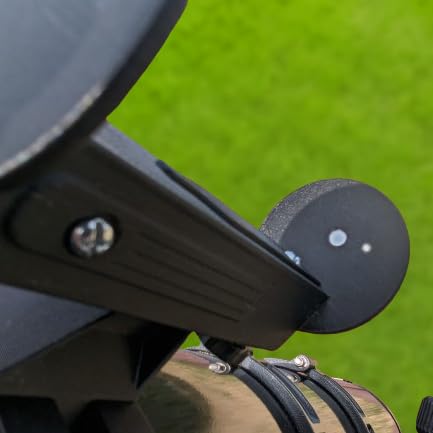


As an Amazon Associate we earn from qualifying purchases. Product prices and availability are accurate as of the date/time indicated.
Prices shown are approximate and for reference only. Prices change often, so please check the current price on Amazon before you buy.
Best Telescope for Solar Viewing Safety Reviewed for 2026
1. Celestron EclipSmart 50mm Solar Telescope: Best Overall Telescope for Solar Viewing Safety
The Celestron EclipSmart 50mm is our top pick for most beginners because it is affordable, it is portable, and its 50mm aperture with a solar filter in many listings is enough to see sunspots. Its price in the $80 to $100 range is the lowest price in this guide, its Celestron quality is reliable, and its solar filter in many listings is made for safe solar viewing.
For solar viewing, the EclipSmart 50mm is practical because its size is small, its setup is easy, and its filter is built for safety. The main trade-off is aperture: at 50mm it shows less detail than a larger telescope, although it is still good for sunspots and eclipses.
Choose it if you want a Celestron solar telescope, you are a beginner, and you want a low-cost safe solar telescope. Inspect your filter before every use.
2. Celestron EclipSmart 70mm Solar Telescope: Best Celestron 70mm Telescope for Solar Viewing Safety
The Celestron EclipSmart 70mm is a 70mm refractor with a solar filter, priced in the $100 to $120 range. Its 70mm aperture gathers more light than a 50mm telescope, its solar filter in many listings is made for safe viewing, and its Celestron quality is reliable. Its price is slightly higher than a 50mm model, although its larger aperture justifies it.
For solar viewing, the EclipSmart 70mm is useful because its larger aperture shows more detail, its size is still portable, and its setup is easy. The trade-off is that it is larger than a 50mm telescope, although its detail justifies it for a family that wants to see sunspots clearly.
Choose it if you want a Celestron solar telescope, you want a 70mm aperture, and you view the Sun with your family.
3. Celestron EclipSmart 80mm Solar Telescope: Best Celestron 80mm Telescope for Solar Viewing Safety
The Celestron EclipSmart 80mm is an 80mm refractor with a solar filter, priced in the $150 to $180 range. Its 80mm aperture is the largest among EclipSmart models in this guide, its solar filter in many listings is made for safe viewing, and its Celestron quality is excellent. Its price is higher than a 70mm model, although its aperture justifies it.
For solar viewing, the EclipSmart 80mm is practical because its large aperture shows sunspots in detail, its size is still portable, and its design is durable. The trade-off is price: it costs more than a 50mm or 70mm model, although its detail justifies it for a serious solar viewer.
Choose it if you want a Celestron solar telescope, you want an 80mm aperture, and you want more detail than a 70mm telescope.
4. Meade EclipseView 82mm Solar Telescope: Best Meade Telescope for Solar Viewing Safety
The Meade EclipseView 82mm is an 82mm refractor with a solar filter, priced in the $200 to $250 range. Its 82mm aperture is the largest among white-light solar telescopes in this guide, its solar filter in many listings is made for safe viewing, and its Meade quality is reliable. Its price is higher than a Celestron EclipSmart, although its aperture justifies it.
For solar viewing, the EclipseView 82mm is useful because its large aperture shows detail, its tripod in many listings is sturdy, and its design is made for eclipses. The trade-off is price: it costs more than a Celestron, although its Meade quality justifies it.
Choose it if you want a Meade solar telescope, you want an 82mm aperture, and you view eclipses.
5. Lunt LS40THa 40mm H-Alpha Solar Telescope: Best Lunt H-Alpha Telescope for Solar Viewing Safety
The Lunt LS40THa is a 40mm H-Alpha solar telescope, priced in the $600 to $700 range. Its 40mm aperture is small, although its H-Alpha design in many listings shows the Sun’s surface, prominences, and filaments in detail that a white-light filter cannot show. Its Lunt quality is premium for solar viewing.
For solar viewing, the LS40THa is practical because its H-Alpha view is detailed, its size is compact, and its design is made for safe solar viewing. The trade-off is price: it costs much more than a white-light telescope, although its H-Alpha detail justifies it for a serious solar observer.
Choose it if you want a Lunt H-Alpha telescope, you want to see prominences, and you have a larger budget for solar viewing.
6. Coronado PST 40mm H-Alpha Solar Telescope: Best Coronado H-Alpha Telescope for Solar Viewing Safety
The Coronado PST is a 40mm H-Alpha solar telescope, priced in the $700 to $800 range, which is the most expensive telescope in this guide. Its 40mm aperture is small, although its H-Alpha design in many listings shows solar detail clearly, and its Coronado quality is trusted for solar telescopes. Its price reflects its H-Alpha design.
For solar viewing, the PST is useful because its H-Alpha view is excellent, its size is portable, and its design is made for safe viewing. The trade-off is price: it costs more than a Lunt LS40THa, although its Coronado reputation justifies it for a dedicated solar observer.
Choose it if you want a Coronado H-Alpha telescope, you want detailed solar views, and you have a larger budget.
Buying Guide: How to Choose the Best Telescope for Solar Viewing Safety
The best telescope for solar viewing safety depends on your viewing goals, your family, and your budget. Start with filter type and aperture, then compare safety, size, and price. A telescope that has a proper solar filter, is easy to use safely, and lets you see the Sun clearly is better than a telescope with the largest aperture that is not safe for solar viewing.
White-Light Filter or H-Alpha for Solar Viewing Safety
Filter type matters most for solar viewing safety, because it determines what you see and how safe it is. A white-light solar filter, like the Celestron EclipSmart and Meade EclipseView models, covers the front of the telescope and lets you see sunspots as dark spots on a bright disk. A white-light filter is affordable, easy to use, and good for beginners and eclipses.
An H-Alpha telescope, like the Lunt LS40THa and Coronado PST, uses a special filter that shows the Sun in red light in many listings, letting you see prominences, filaments, and surface detail that a white-light filter cannot show. An H-Alpha telescope costs more, although its detail justifies it for a serious solar observer.
For most beginners, a white-light solar telescope is the best starting point. Choose H-Alpha only if you want detailed solar views and have a larger budget.
Aperture, Safety, and Solar Viewing Safety Rules
Aperture matters for solar viewing, because a larger aperture shows more detail. A 50mm aperture in many listings is enough for sunspots, a 70mm to 82mm aperture shows more detail, and a 40mm H-Alpha aperture shows prominences in detail despite its small size. Check the exact listing for aperture before you buy, and do not choose a telescope based on aperture alone.
Safety matters most for solar viewing. Never look at the Sun without a solar filter, inspect your filter for damage before every use, never use a damaged filter, and supervise children at all times. Never use a telescope without a proper solar filter, never look through an eyepiece filter alone in many guides, and follow the manufacturer’s instructions. If your filter has a hole, a scratch, or a tear, do not use it. Replace it before you view the Sun.
For best results, use a solar filter that covers the full front aperture, keep your telescope capped when you are not viewing, and store your filter in a safe place. Supervise kids, and teach them never to look at the Sun without a filter.
Price, Brand, and What You Actually Need
Price depends on aperture, filter type, and brand. A white-light telescope in the $80 to $250 range, like the Celestron EclipSmart and Meade EclipseView models, is a good starting point for most families. An H-Alpha telescope in the $600 to $800 range, like the Lunt and Coronado models, is best if you want detailed solar views.
Brand also matters. A telescope from a trusted brand in this guide, like Celestron, Meade, Lunt, and Coronado, will be more reliable than an unbranded telescope with similar specifications on paper. For most solar viewers, the Celestron EclipSmart 50mm is the best value for a safe solar telescope, the Celestron EclipSmart 70mm is the best choice for a family, and the Lunt LS40THa is the best choice for H-Alpha detail. Do not buy a telescope based on price alone. A telescope that is safe, has a proper filter, and lets you see the Sun clearly is worth the investment.
Best Telescope for Solar Viewing Safety: FAQ
What is the best telescope for solar viewing safety?
For most beginners, the Celestron EclipSmart 50mm Solar Telescope is the best overall telescope for solar viewing safety because it offers a 50mm aperture, a solar filter, and a low price in the $80 to $100 range. If you want a larger aperture, the Celestron EclipSmart 70mm is a good choice at $100 to $120. If you want H-Alpha detail, the Lunt LS40THa is a practical option at $600 to $700.
Is it safe to look at the Sun through a telescope?
Is it safe to look at the Sun through a telescope depends on your filter, but in general, yes only with a proper solar filter that covers the front of the telescope and is inspected before every use. For best results, never look at the Sun without a filter, never use a damaged filter, and supervise children at all times.
What is the difference between white-light and H-Alpha solar telescopes?
What is the difference between white-light and H-Alpha solar telescopes is that white-light telescopes show sunspots on a bright disk, while H-Alpha telescopes show the Sun in red light with prominences and surface detail. For best results, choose white-light for a beginner and eclipse viewing, and choose H-Alpha only if you want detailed solar views.
How do I choose a telescope for solar viewing safety?
Choose a telescope for solar viewing safety by starting with filter type and aperture, then checking safety, size, and price. Pick a telescope with a proper solar filter, inspect it before every use, and choose a model that fits your viewing goals. Always supervise children, never use a damaged filter, and follow the manufacturer’s instructions.
FAQ
What is the best telescope for solar viewing safety?
Is it safe to look at the Sun through a telescope?
What is the difference between white-light and H-Alpha solar telescopes?
How do I choose a telescope for solar viewing safety?
Related guides
- Best Binoculars for Marine Boating Use in 2026: Steiner, Fujinon, Bushnell, and Nikon Compared for a 7×50 Parish Chosen for a Moving Deck, Sealing Proven in the Maker’s Text, and a Compass That Aids and Never Replaces the Boat’s Own
- Best Telescopes for Spring Galaxy Viewing in 2026: Apertura, Sky-Watcher, and Celestron Compared for Aperture Sentenced Against Your Sky’s Own Darkness, Dark Adaptation Kept Like a Citizen, and Galaxies Read by Their Surface Brightness
- How to Service Binoculars Professional Repair in 2026: When to Clean, When to Send for Repair, and How to Protect Your Optics
- Dielectric Coated Prism Pros and Cons in 2026: What a Dielectric Coated Prism Does, Why It Helps Binoculars, and When It Is Worth the Price
More from Amazon
Programs that pair well with the guide above. Offers and eligibility are set by Amazon and may change.
Free shipping on eligible items, Prime Video and more. Eligible new members can start with a free trial.
Start a Prime free trialAudiobooks and podcasts to listen to on the go. Eligible new members can start with a free trial.
Try Audible freeAd-free music streaming. Eligible new subscribers can start with a free trial.
Try Music Unlimited freeA free business account with business pricing and bulk-buying tools for work, shop or home office.
Create a business accountAs an Amazon Associate we earn from qualifying purchases.

Write Your Review
No reviews yet. Be the first to share your experience!