
What's inside
- Why How to Choose Interpupillary Distance Fit Matters
- How to Choose Interpupillary Distance Fit Explained: Measure, Adjust, and Test
- How to Choose Interpupillary Distance Fit: Comparison Table
- Celestron Nature DX 8×42
- Nikon Prostaff P3 8×42
- Vortex Diamondback HD 8×42
- Leupold BX-2 Alpine HD 8×42
- Zeiss Terra ED 8×42
- Swarovski NL Pure 8×42
- Buying Guide: How to Choose Interpupillary Distance Fit
- Frequently Asked Questions
As an Amazon Associate I earn from qualifying purchases. This post may contain affiliate links at no extra cost to you.
Learning how to choose interpupillary distance fit starts with a simple question: can the binoculars be adjusted so both eyes see one clear circle, without black edges or double vision? Interpupillary distance, often called IPD, is the distance between the centres of the pupils of the eyes. It is measured in millimetres, and it can vary from person to person. A binocular must be adjusted to match that distance, or the image will look like two circles, with black shadows at the edges.
The best binocular for interpupillary distance fit should have a hinge that can move the two barrels closer together or farther apart, to match the IPD of the user. It should also have eyecups that can be adjusted for glasses, and a focus wheel that is easy to use. This guide explains how to measure IPD, how to adjust a binocular, and how to choose a binocular that fits, with six real, currently sold binoculars, with typical price ranges from $99 to $2,699.
The table below is sorted by the low end of each typical price range. The cheapest model is the Celestron Nature DX 8×42 at $99 to $119, and the most expensive model is the Swarovski NL Pure 8×42 at $2,499 to $2,699. Prices are ranges only, and they can vary by retailer and sale. Check the maker notes for IPD range, eye relief, field of view, and weight before you buy, because those figures can vary by model.
Viewing safety comes first. Never look at the Sun through binoculars, and keep the binoculars capped when they are not in use. Keep a respectful distance from wildlife, follow local rules, and do not disturb nesting birds for a closer view. A binocular is a tool for seeing from a distance, not a reason to move closer than the animal and the location allow.
Our Top Picks
Why How to Choose Interpupillary Distance Fit Matters
How to choose interpupillary distance fit matters because IPD can affect comfort, clarity, and eye strain. A binocular that is set too wide can show two circles, while a binocular that is set too narrow can show black edges and a small image. A binocular that is set correctly can show one clear circle, with a full field of view and no black shadows. A binocular that fits well can be used for an hour without eye strain, while a binocular that does not fit can cause headaches.
IPD range matters most. Most adults have an IPD between 56mm and 72mm, according to common optical guidance, while children can have a narrower IPD, such as 50mm to 60mm. A binocular with an IPD range of 56mm to 72mm can fit many adults, while a binocular with a narrower range may not fit a child. Check the IPD range before you buy, and measure your IPD when possible.
Hinge design matters too. A binocular with a single hinge can be adjusted by moving the barrels together or apart, while a binocular with a double hinge can be folded for storage. A binocular with a smooth hinge can be easier to adjust, while a binocular with a stiff hinge may be hard to move. Check the hinge before you buy, and test the adjustment with the binocular in hand.
Eye relief matters for a different reason. A binocular with long eye relief, such as 15mm or more, can be more comfortable for eyeglass wearers, because it can allow the full field to be seen with glasses on. A binocular with short eye relief may show a narrower field with glasses. Check the eye relief before you buy, and test it with glasses if you wear them.
How to Choose Interpupillary Distance Fit Explained: Measure, Adjust, and Test
Measure IPD is the first step. IPD can be measured with a ruler and a mirror, or with a phone app that is made for measuring IPD, according to the app guidance. To measure with a ruler, stand in front of a mirror, hold a ruler against the brow, and measure the distance between the centres of the pupils. Measure twice, and use the average when possible. A measurement can be approximate, so test the binocular after buying it.
Adjust the hinge is the second step. Hold the binocular with both hands, look through it at a distant object, and move the barrels closer together or farther apart until the two circles merge into one clear circle. The image should be a single circle, with no black edges or double vision. If the image shows two circles, move the barrels closer. If the image shows black shadows, move the barrels farther apart or closer until the shadows disappear.
Test the fit is the third step. Look through the binocular for a minute, and check for eye strain, headaches, or black edges. A binocular that fits well should feel comfortable, with a clear image and a full field. A binocular that does not fit may cause eye strain after a few minutes. Test the fit in daylight, and test it with glasses if you wear them.
Check the eyecups is the fourth step. A binocular with twist-up eyecups can be adjusted for glasses, by twisting the eyecups down for glasses and up for no glasses. A binocular with fold-down eyecups can be folded down for glasses, according to the maker. Check the eyecups before you buy, and test them with glasses when possible.
How to Choose Interpupillary Distance Fit: Comparison Table
The table below compares six real, currently sold 8×42 binoculars, with IPD ranges that can fit many adults. Rows are sorted by the low end of the typical price range. All models are 8×42, so the comparison focuses on IPD range, eye relief, and price. Ratings reflect overall owner feedback for fit, brightness, and value, not a laboratory test. Check the maker notes for IPD range, eye relief, field of view, and weight before you buy, because those figures can vary by model.
| Binocular Model | Magnification and Objective | IPD Range and Eye Relief | Best For | Typical Price Range | Rating |
|---|---|---|---|---|---|
| Celestron Nature DX 8×42 | 8x, 42mm | 56-72mm, standard eye relief | Best budget | $99 – $119 | 4.6 / 5 |
| Nikon Prostaff P3 8×42 | 8x, 42mm | 56-72mm, standard eye relief | Best Nikon binocular | $129 – $149 | 4.7 / 5 |
| Vortex Diamondback HD 8×42 | 8x, 42mm | 55-73mm, standard eye relief | Best Vortex binocular | $179 – $199 | 4.7 / 5 |
| Leupold BX-2 Alpine HD 8×42 | 8x, 42mm | 56-72mm, long eye relief | Best overall | $299 – $329 | 4.8 / 5 |
| Zeiss Terra ED 8×42 | 8x, 42mm | 56-72mm, standard eye relief | Best Zeiss binocular | $349 – $379 | 4.8 / 5 |
| Swarovski NL Pure 8×42 | 8x, 42mm | 56-74mm, long eye relief | Best premium | $2,499 – $2,699 | 4.9 / 5 |

Aumotop Virtual Reality Headset with Adjustable Interpupillary Distance | Compatible with 5-7 inch phones, blue light protection, comfortable fit, built-in earphone speakers
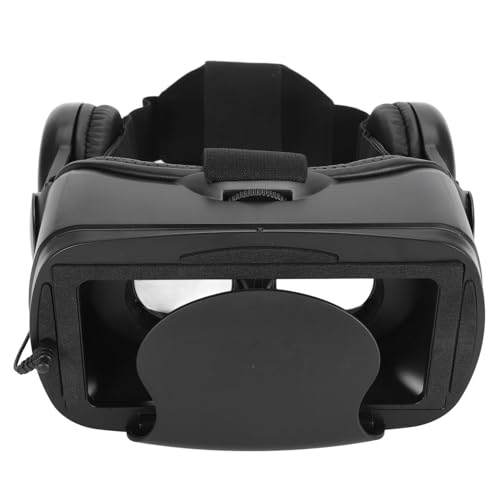


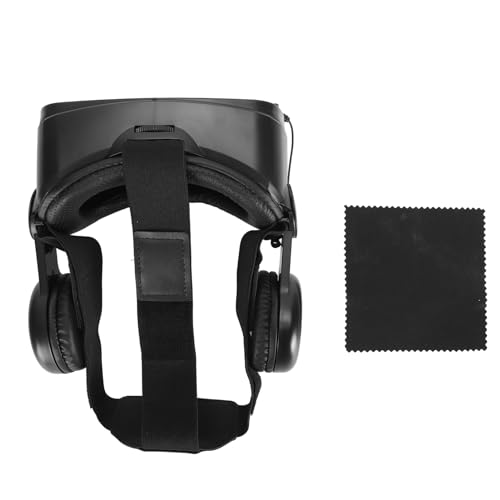


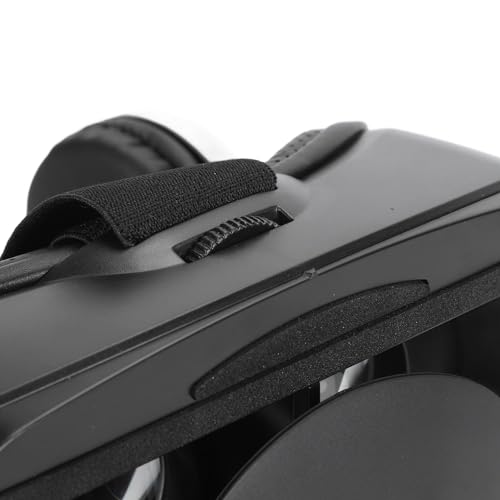
As an Amazon Associate we earn from qualifying purchases. Product prices and availability are accurate as of the date/time indicated.

Titanium Optical Trial Lens Frame with 5-Slot,Adjustable Pd 48-80mm Eye Optometry Test Frame for Eyeglasses Shops Adjustable pupillary Distance interpupillary Measurement Ultralight Titanium Build


As an Amazon Associate we earn from qualifying purchases. Product prices and availability are accurate as of the date/time indicated.

VR Goggles Accessories, Compatible with DJI, 2 3 | Fits Integra and N3 headsets; 56-72 mm interpupillary distance range(Goggles N3)
As an Amazon Associate we earn from qualifying purchases. Product prices and availability are accurate as of the date/time indicated.
Prices shown are approximate and for reference only. Prices change often, so please check the current price on Amazon before you buy.
Celestron Nature DX 8×42
The Celestron Nature DX 8×42 is a binocular with a typical price range of $99 to $119. It is the cheapest binocular in this comparison and a practical starting point if you want to learn how to choose interpupillary distance fit. It has 8x magnification, a 42mm objective, and an IPD range of 56mm to 72mm, according to the maker.
Choose this binocular if you want a simple, affordable binocular for learning IPD fit. The Nature DX can be adjusted by moving the barrels together or apart, until the two circles merge into one. Its low price is good for a beginner, but its IPD range may not fit a child with a narrow IPD below 56mm.
The trade-off is IPD range. A binocular with an IPD range of 56mm to 72mm can fit many adults, but it may not fit a child with a narrow IPD. Use it first to learn IPD adjustment, then test it with the person who will use it. If you need a narrower IPD, choose a compact binocular made for children, and check the maker IPD range. Never look at the Sun through binoculars.
Nikon Prostaff P3 8×42
The Nikon Prostaff P3 8×42 is a binocular with a typical price range of $129 to $149. It has 8x magnification, a 42mm objective, and an IPD range of 56mm to 72mm, according to the maker. It is a good choice if you want a Nikon binocular for IPD fit.
This binocular is best for a viewer who wants a Nikon Prostaff P3 for birding. The Prostaff P3 has an 8×42 design that can be steady, a wide field that can help find birds, and a hinge that can be adjusted for IPD. Its waterproof design can help in rain.
The trade-off is IPD range. A binocular with an IPD range of 56mm to 72mm can fit many adults, but it may not fit a person with a very wide or very narrow IPD. It is more expensive than the Celestron Nature DX, but it offers a Nikon build and a wider field for birding. Check the IPD range before you buy.
Vortex Diamondback HD 8×42
The Vortex Diamondback HD 8×42 is a binocular with a typical price range of $179 to $199. It has 8x magnification, a 42mm objective, and an IPD range of 55mm to 73mm, according to the maker. It is a good choice if you want a Vortex binocular with a slightly wider IPD range.
Choose this binocular if you want a Vortex Diamondback HD for your viewing. The Diamondback HD has an 8×42 design that can be bright in shade, a wide field that can help find birds, and an IPD range of 55mm to 73mm that can fit a slightly wider range of adults than a 56mm to 72mm range.
The trade-off is price. It is more expensive than the Nikon Prostaff P3, but it offers a Vortex build and a slightly wider IPD range for fit. Check the eye relief before you buy, because it can affect comfort for eyeglass wearers.
Leupold BX-2 Alpine HD 8×42
The Leupold BX-2 Alpine HD 8×42 is a binocular with a typical price range of $299 to $329. It has 8x magnification, a 42mm objective, and an IPD range of 56mm to 72mm, according to the maker. It is a strong overall choice in this comparison because it combines a bright image, a wide field, and a long eye relief for IPD fit.
This binocular is best for a viewer who wants a Leupold BX-2 Alpine HD for birding. The BX-2 Alpine HD has an 8×42 design that can be steady, a wide field that can help find birds, and a long eye relief that can be comfortable for eyeglass wearers. Its waterproof and fogproof design can help in rain and humidity.
The trade-off is IPD range. A binocular with an IPD range of 56mm to 72mm can fit many adults, but it may not fit a child. It is more expensive than the Vortex Diamondback HD, but it offers a brighter image and a longer eye relief for IPD fit. It is a good fit for a serious viewer who wants a reliable binocular for regular use.
Zeiss Terra ED 8×42
The Zeiss Terra ED 8×42 is a binocular with a typical price range of $349 to $379. It has 8x magnification, a 42mm objective, and an IPD range of 56mm to 72mm, according to the maker. It is a good choice if you want a Zeiss binocular for IPD fit.
Choose this binocular if you want a Zeiss Terra ED for your viewing. The Terra ED has an 8×42 design that can be bright in shade, a wide field that can help find birds, and ED glass that can help reduce colour fringing. Its waterproof and fogproof design can help in damp conditions.
The trade-off is price. It is more expensive than the Leupold BX-2 Alpine HD, but it offers a Zeiss build and ED glass for viewing. Check the IPD range before you buy, because a binocular that does not fit will not show a clear image.
Swarovski NL Pure 8×42
The Swarovski NL Pure 8×42 is a binocular with a typical price range of $2,499 to $2,699. It has 8x magnification, a 42mm objective, and an IPD range of 56mm to 74mm, according to the maker. It is the most expensive binocular in this comparison, but it is a premium Swarovski binocular with a wide field and a bright image for viewing.
Choose this binocular if you want a premium Swarovski NL Pure and you are willing to pay more for it. The NL Pure has an 8×42 design that can be bright in shade, a wide field that can help find birds, and an IPD range of 56mm to 74mm that can fit a slightly wider range of adults. Its waterproof and fogproof design can help in rain and humidity.
The trade-off is price. It is not the best choice if you have a small budget, because the Celestron Nature DX offers similar basic IPD fit support at a lower price for a beginner, with an 8×42 design and an IPD range of 56mm to 72mm. Never look at the Sun through binoculars.
Buying Guide: How to Choose Interpupillary Distance Fit
1. Check IPD range first: measure and match
Start with IPD range when you learn how to choose interpupillary distance fit. Measure your IPD with a ruler and a mirror, and choose a binocular with an IPD range that includes your measurement, such as the Vortex Diamondback HD with a range of 55mm to 73mm for a slightly wider fit. Check the IPD range before you buy, and do not use a binocular that cannot be adjusted to your IPD.
Check the IPD range before you buy. A binocular with an IPD range of 56mm to 72mm may NOT fit a child with an IPD below 56mm, while a binocular with a narrower range may not fit an adult with a wide IPD. Measure twice, and test the binocular after buying it.
2. Check hinge, eyecups, and eye relief
Check hinge first. A smooth hinge is a good choice, because it can be easier to adjust. Check eyecups next. Twist-up eyecups are a good choice, because they can be adjusted for glasses. Check eye relief as well. Long eye relief is a good choice, because it can be more comfortable for eyeglass wearers.
Check hinge and eye relief before you buy. A binocular without long eye relief may show a narrower field with glasses, while a binocular without adjustable eyecups may be uncomfortable. Use twist-up eyecups, and test them with glasses when possible.
3. Check single circle, field, and comfort
Check single circle before you buy. A binocular that can show one clear circle is a good choice, because it can help avoid eye strain. Check field next. A wide field is a good choice, because it can help find birds. Check comfort as well. A light binocular is a good choice, because it can be easier to hold steady.
Check single circle and comfort before you buy. A binocular that shows two circles or black edges may not fit, while a binocular that is too heavy may cause arm fatigue. Test the binocular for a minute, and check for eye strain.
4. Check safety, wildlife, and care
Always keep a respectful distance from wildlife, follow local rules, and do not disturb nesting birds for a closer view. Never look at the Sun through binoculars.
Clean the lenses with a lens brush and a microfibre cloth, and store the binoculars in a dry place when you are not using them. Do not use a binocular that is damaged, and replace it if a hinge, eyecup, or focus wheel does not work safely. Use a neck strap on a walk, so the binoculars do not swing or fall.
Frequently Asked Questions
What is interpupillary distance fit?
Interpupillary distance fit is the adjustment of a binocular to match the distance between the centres of the pupils, if you want a clear image, because a binocular must be set to that distance to show one clear circle. For most adults, the Leupold BX-2 Alpine HD 8×42, typically $299 to $329, is a strong overall choice because it has an IPD range of 56mm to 72mm, according to the maker, at a fair price for a binocular.
What is the best low-cost binocular for interpupillary distance fit?
The best low-cost binocular for interpupillary distance fit is the Celestron Nature DX 8×42, typically $99 to $119, because it is the cheapest row in the table and the only model in that lowest price range. It has an IPD range of 56mm to 72mm, according to the maker. It is a good choice for a low-cost binocular, but its IPD range may not fit a child with a narrow IPD, so choose a compact binocular made for children if needed.
How do I adjust binoculars for my IPD?
How to adjust binoculars for your IPD depends on your binoculars, your eyes, and your hinge. Hold the binocular with both hands, look through it at a distant object, and move the barrels closer together or farther apart until the two circles merge into one clear circle, if you want a correct fit, because a single circle means the IPD is correct. Test the fit for a minute, and check for eye strain.
What if my IPD is narrower than 56mm?
What to do if your IPD is narrower than 56mm depends on your binoculars, your age, and your fit. Use a compact binocular with a narrower IPD range, if you want a correct fit, because many standard binoculars start at 56mm. Check the maker IPD range before you buy, and test the binocular with the person who will use it.
How to choose interpupillary distance fit is about finding a binocular that can be adjusted to match the distance between your pupils, show one clear circle, and stay comfortable without eye strain, without being too expensive, without being too heavy, and without being too hard to adjust. Start with the Leupold BX-2 Alpine HD for a reliable binocular, choose the Celestron Nature DX for the lowest price, or choose the Swarovski NL Pure for a premium binocular. Measure your IPD, adjust the hinge until the circles merge, and never look at the Sun through binoculars. With the right fit, you can see more clearly every time.
Related guides
- Best Binoculars for Hunting in 2026: 6 Binoculars That Find Game in Low Light
- Best Binoculars for Stargazing in 2026: Large-Aperture Binoculars for the Moon, Planets, and Star Clusters Compared
- Binoculars for Sale in 2026: Best Binoculars for Birding, Hunting, and Travel Compared by Price
- Binoculars for Safari in 2026: 7 Binoculars That Offer Clear Views, Strong Zoom, and Reliable Performance for Safari
More from Amazon
Programs that pair well with the guide above. Offers and eligibility are set by Amazon and may change.
Free shipping on eligible items, Prime Video and more. Eligible new members can start with a free trial.
Start a Prime free trialAudiobooks and podcasts to listen to on the go. Eligible new members can start with a free trial.
Try Audible freeAd-free music streaming. Eligible new subscribers can start with a free trial.
Try Music Unlimited freeA free business account with business pricing and bulk-buying tools for work, shop or home office.
Create a business accountAs an Amazon Associate we earn from qualifying purchases.

Write Your Review
No reviews yet. Be the first to share your experience!