
What's inside
- Why How to Clean Telescope Lenses Safely Needs a Soft Cloth
- How to Clean Telescope Lenses Safely: Fluid, Cloth and Blower
- How to Clean Telescope Lenses Safely Comparison Table
- Top How to Clean Telescope Lenses Safely Picks Reviewed
- How to Clean a Telescope Lens Safely Step by Step
- Buying Guide: How to Choose the Best Tools to Clean Telescope Lenses Safely
- Blower vs Cloth for Cleaning Telescope Lenses Safely
- Frequently Asked Questions
As an Amazon Associate I earn from qualifying purchases. This post may contain affiliate links at no extra cost to you.
Learning how to clean telescope lenses safely is about choosing cleaning tools that are gentle, effective, and easy to use, with tools that work well for removing dust and fingerprints from a telescope lens without scratching it, and with a price that fits a telescope owner who wants reliable cleaning tools without a large, expensive premium kit that is too complex for a first cleaning. A good how to clean telescope lenses safely guide should explain cleaning fluid, lens cloth, blower, brush, wipes, and price, with a price that gives you value. It should also be simple to use, with a design that is suitable for a beginner. Always check the cleaning tool type, material, compatibility, and price before buying, and follow the manufacturer guidance for use, and never use a household cleaner or a paper towel on a telescope lens, and always use a proper certified solar filter for the sun, never look at the sun without one.
This guide explains what to look for when learning how to clean telescope lenses safely, how to compare cleaning fluid, lens cloth, blower, brush, wipes, and price, and which cleaning tools work well in 2026 for telescope owners, beginners, and stargazers. We focus on practical use for owners who clean a telescope lens for the first time, with tools that are used for cleaning in spring, summer, autumn, and winter, and with a design that is suitable for a beginner. Whether you clean a refractor lens, a reflector mirror, or an eyepiece, the same principles apply: choose tools that are gentle, with a soft cloth, and with a price that fits your needs. Always check your cleaning tool specifications before buying.
Our Top Picks
Why How to Clean Telescope Lenses Safely Needs a Soft Cloth
How to clean telescope lenses safely needs a soft cloth because a tool such as the Zeiss Lens Cleaning Cloth is designed with a microfiber material that removes fingerprints without scratching, while a tool without a soft cloth may scratch your lens and may damage its coating. A soft cloth is better than a paper towel for cleaning, because it ensures your lens stays clear. A cleaning fluid with a lens safe formula is a good choice, because it removes smudges, and a blower with a gentle air flow is better if you want to remove dust, because it does not touch the lens.
Cleaning telescope lenses safely also needs a good blower. A blower with a rocket design is a good choice, because it blows dust away. A cleaning kit with a good price is a good choice, because it gives you value. Look for a cleaning kit with a simple design, so it is easy to use at home.
How to Clean Telescope Lenses Safely: Fluid, Cloth and Blower
Cleaning fluid matters most when learning how to clean telescope lenses safely, because it determines whether smudges come off without damage. Cleaning fluids made for lenses are a good choice for most owners, while household cleaners are not safe for telescope lenses. Lens safe fluids are better than household cleaners for cleaning, because they do not damage coatings. Lens cloths with microfiber material are a good choice, because they are soft.
Cloth and blower also matter for cleaning lenses. Cloths with microfiber material are better than cloths without, because they do not scratch. Blowers with a gentle air flow are a good choice, because they remove dust without touching the lens. Cleaning kits with a good price are a good choice, because they give you value. Always check the fluid, with its formula, before buying.
How to Clean Telescope Lenses Safely Comparison Table
| Model | Type | Includes | Material | Compatibility | Typical Price Range | Rating |
|---|---|---|---|---|---|---|
| Zeiss Lens Cleaning Kit | Kit | Fluid, cloth, wipes | Microfiber | Telescope, camera | $15-$20 | 4.8/5 |
| Giottos Rocket Air Blaster | Blower | Blower | Rubber | Telescope, camera | $10-$15 | 4.8/5 |
| Altura Photo Professional Cleaning Kit | Kit | Fluid, cloth, blower, brush | Microfiber | Telescope, camera | $15-$20 | 4.7/5 |
| CamKix Lens Cleaning Kit | Kit | Fluid, cloth, blower, brush | Microfiber | Telescope, camera | $10-$15 | 4.7/5 |
| LensPen NLP-1 | Pen | Brush, carbon tip | Carbon | Telescope, camera | $10-$15 | 4.7/5 |
| MagicFiber Microfiber Cloths | Cloths | 6 cloths | Microfiber | Telescope, camera | $10-$15 | 4.7/5 |
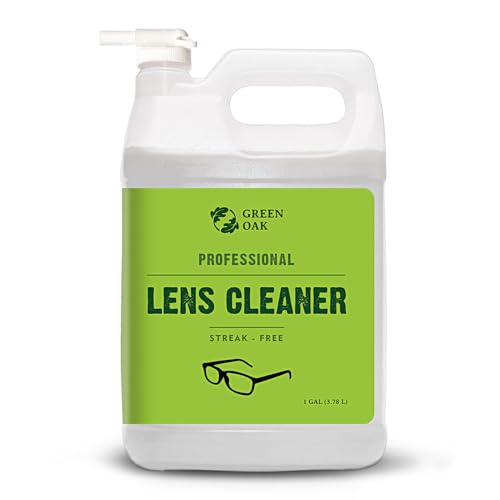
Green Oak Lens Cleaner Refill Professional Lens Cleaner Refill– Best for Eyeglasses, Cameras, and Lenses - Safely Cleans Fingerprints, Dust, Oil (1 Gallon Refill)


As an Amazon Associate we earn from qualifying purchases. Product prices and availability are accurate as of the date/time indicated.

Shade's Safe & Clean Lens Cleaner Care Pack | 2oz Cleaner Bottle, 2 Microfiber Cloth Jet Black & Clear Aqua Blue, Microfiber Lenses Pouch Black





As an Amazon Associate we earn from qualifying purchases. Product prices and availability are accurate as of the date/time indicated.
Prices shown are approximate and for reference only. Prices change often, so please check the current price on Amazon before you buy.
Top How to Clean Telescope Lenses Safely Picks Reviewed
Zeiss Lens Cleaning Kit
The Zeiss Lens Cleaning Kit is a tool with type of kit, includes of fluid, cloth, wipes, material of microfiber, compatibility of telescope, camera, and a price of $15 to $20. It has a good fluid, soft cloth, and a good value for owners. It is a good choice if you want to learn how to clean telescope lenses safely with a proven Zeiss design, because it is one of the most trusted cleaning kits, it has a lens safe fluid, and it has a microfiber cloth that does not scratch. The Zeiss Kit is made for owners, and it has a simple design, a gentle fluid, and tools that are easy to use at home.
Giottos Rocket Air Blaster
The Giottos Rocket Air Blaster is a tool with type of blower, includes of blower, material of rubber, compatibility of telescope, camera, and a price of $10 to $15. It has a gentle air flow, simple design, and a good value for owners. It is a good choice if you want a Giottos blower with a gentle air flow for cleaning telescope lenses safely, because it has a rocket design, it has a rubber body, and it is made by a trusted brand. It is ideal for owners who want a Giottos blower, and its air flow removes dust without touching the lens.
Altura Photo Professional Cleaning Kit
The Altura Photo Professional Cleaning Kit is a tool with type of kit, includes of fluid, cloth, blower, brush, material of microfiber, compatibility of telescope, camera, and a price of $15 to $20. It has a complete kit, soft cloth, and a good value for owners. It is a good choice if you want an Altura Photo kit with a complete design for cleaning telescope lenses safely, because it has a fluid, cloth, blower, and brush, it has a microfiber material, and it is made by a trusted brand. It is a popular choice for owners who want an Altura Photo kit, especially for a first cleaning where a complete kit is useful.
CamKix Lens Cleaning Kit
The CamKix Lens Cleaning Kit is a tool with type of kit, includes of fluid, cloth, blower, brush, material of microfiber, compatibility of telescope, camera, and a price of $10 to $15. It has a complete kit, low price, and a good value for owners. It is a good choice if you want a CamKix kit with a complete design for cleaning telescope lenses safely, because it has a fluid, cloth, blower, and brush, it has a microfiber material, and it is made by a trusted brand. It is a good entry level option for owners who want a CamKix kit, and its low price makes it a good first kit.
LensPen NLP-1
The LensPen NLP-1 is a tool with type of pen, includes of brush, carbon tip, material of carbon, compatibility of telescope, camera, and a price of $10 to $15. It has a compact design, carbon tip, and a good value for owners. It is a good choice if you want a LensPen with a compact design for cleaning telescope lenses safely, because it has a brush and a carbon tip, it has a carbon material, and it is made by a trusted brand. It is ideal for owners who want a LensPen, and its compact size fits in a bag.
MagicFiber Microfiber Cloths
The MagicFiber Microfiber Cloths is a tool with type of cloths, includes of 6 cloths, material of microfiber, compatibility of telescope, camera, and a price of $10 to $15. It has a low price, soft material, and a good value for owners. It is a good choice if you want MagicFiber cloths with a soft material for cleaning telescope lenses safely, because it has 6 cloths, it has a microfiber material, and it is made by a trusted brand. It is a good option for owners who want MagicFiber cloths, and its price makes it a good value pack.
How to Clean a Telescope Lens Safely Step by Step
To clean a telescope lens safely, first use your blower, with its air, to remove dust, so you do not scratch the lens, and use your brush, with its bristles, to remove loose particles, so they do not scratch. Apply a small amount of lens fluid, with your cloth, not directly on the lens, so it does not drip, and wipe your lens, with your microfiber cloth, in a circular motion, so smudges come off. Use a clean part of your cloth, with its surface, for a final wipe, so no streaks remain, and store your telescope, with its caps, so dust does not settle. When you are done, wash your cloth, with water, so it stays clean, and follow the manufacturer guidance for use, and never use a household cleaner or a paper towel on a telescope lens.
Buying Guide: How to Choose the Best Tools to Clean Telescope Lenses Safely
Start with your telescope type, your lens condition, and your budget. If you want a proven Zeiss kit, a tool such as the Zeiss Lens Cleaning Kit is a good choice, because it is $15 to $20. If you want a Giottos blower, a tool such as the Giottos Rocket Air Blaster is a good choice, because it is $10 to $15. If you want a complete Altura Photo kit, a tool such as the Altura Photo Professional Cleaning Kit is a good choice, because it is $15 to $20. If you want a low price CamKix kit, a tool such as the CamKix Lens Cleaning Kit is a good choice, because it is $10 to $15.
Next, check cleaning fluid, cloth, and blower. A tool with a lens safe fluid is better than a tool without, because it removes smudges safely. A tool with a microfiber cloth is a good choice, because it does not scratch. A tool with a blower is better than a tool without, because it removes dust without touching the lens. A tool with a brush is a good choice, because it removes loose particles.
Check material, compatibility, and ease of use together. A tool with a microfiber material is better than a tool without, because it is soft. A tool that is compatible with telescopes is a good choice, because it is made for lenses. A tool with a simple design is better than a tool without, because it is easy to use at home. Check your telescope, with its lens, before buying, so you know what tools you need, and check your lens, with its condition, so you know if you need fluid or just a blower.
Check your budget, your use, and your future. Cleaning tools for telescope lenses typically cost $10 to $20. A tool from $10 to $15, such as the Giottos Rocket Air Blaster, offers a good way to start with a budget blower. A tool from $10 to $15, such as the CamKix Lens Cleaning Kit, offers a complete kit design. A tool from $15 to $20, such as the Zeiss Lens Cleaning Kit, offers a proven design. A tool from $15 to $20, such as the Altura Photo Professional Cleaning Kit, offers a complete professional design.
Finally, do not buy cleaning tools for telescope lenses based only on price or completeness. A tool without a soft cloth will scratch your lens, even if it is cheap, while a tool without a lens safe fluid will damage coatings, even if it has a good price. A tool that is too harsh will damage your lens, even if it is effective. Choose tools that are gentle, with a soft cloth, and with a price that fits your needs. Always check your cleaning tool specifications before buying, and never use a household cleaner or a paper towel on a telescope lens.
Blower vs Cloth for Cleaning Telescope Lenses Safely
To understand blower vs cloth for cleaning telescope lenses safely, first think about a blower, with its air, so you know it removes dust without touching the lens, and think about a cloth, with its microfiber, so you know it removes fingerprints by wiping, but it touches the lens. A blower is a good choice if you want to remove dust safely, because it does not touch the lens, while a cloth is a good choice if you want to remove fingerprints, because it wipes them off. When you are done, compare your needs, with their dust and fingerprints, so you know which is right, and follow the manufacturer guidance for use. For most owners, a blower first and then a cloth is usually the better choice, because the blower removes dust that could scratch and the cloth then removes smudges safely.
Frequently Asked Questions
How to clean telescope lenses safely?
How to clean telescope lenses safely, you clean telescope lenses safely by using a blower first, because a tool such as the Giottos Rocket Air Blaster removes dust without touching the lens and a tool such as the Zeiss Lens Cleaning Kit then removes smudges with a soft cloth, while a paper towel may scratch the lens. Use a blower, with your lens, first, so dust is gone, and wipe your lens, with a microfiber cloth, gently, so smudges come off, and follow the manufacturer guidance for use.
Can I use household cleaner on a telescope lens?
Can you use household cleaner on a telescope lens, you should not use household cleaner on a telescope lens, because a tool such as the Zeiss Lens Cleaning Kit has a lens safe fluid and a household cleaner may damage coatings, while a lens safe fluid is made for lenses. Use a lens safe fluid, with your telescope lens, so it stays clear, and never use a household cleaner or a paper towel on a telescope lens, and follow the manufacturer guidance for use.
How often should I clean my telescope lens?
How often should you clean your telescope lens, you should clean your telescope lens only when it is dirty, because a lens such as a refractor lens may only need cleaning a few times a year and a lens that is cleaned too often may be scratched. Check your lens, with its surface, regularly, so you know if it needs cleaning, and use a blower, with your lens, for dust, so you do not need to wipe often, and follow the manufacturer guidance for use.
Can I use a LensPen on a telescope lens?
Can you use a LensPen on a telescope lens, you can use a LensPen on a telescope lens, because a tool such as the LensPen NLP-1 has a brush and a carbon tip that removes fingerprints, while a tool that is dirty may scratch the lens. Use your LensPen, with its brush, first, so dust is gone, and use your LensPen, with its carbon tip, gently, so fingerprints come off, and follow the manufacturer guidance for use.
Related guides
- Monopod for Binoculars vs Tripod for Binoculars in 2026: Which Support Is Right for You?
- Best Rangefinder for Archery Hunting Practice in 2026: 7 Rangefinders That Offer Accurate Distance, Angle Compensation, and Reliable Performance for Archery Hunting Practice
- Best Binocular Strap for Long Life in 2026: 7 Binocular Straps That Offer Strong Materials, Comfortable Carry, and Reliable Performance for Long Life
- Best Tripod Mistakes Beginners Telescope Use in 2026: 6 Tripods for Beginners Telescope Use With a Max Height, a Load, and a Price Range, for Telescopes
More from Amazon
Programs that pair well with the guide above. Offers and eligibility are set by Amazon and may change.
Free shipping on eligible items, Prime Video and more. Eligible new members can start with a free trial.
Start a Prime free trialAudiobooks and podcasts to listen to on the go. Eligible new members can start with a free trial.
Try Audible freeAd-free music streaming. Eligible new subscribers can start with a free trial.
Try Music Unlimited freeA free business account with business pricing and bulk-buying tools for work, shop or home office.
Create a business accountAs an Amazon Associate we earn from qualifying purchases.

Write Your Review
No reviews yet. Be the first to share your experience!