
What's inside
As an Amazon Associate I earn from qualifying purchases. This post may contain affiliate links at no extra cost to you.
Monocular 8×36 vs 10×36 birding is a choice between a monocular with 8 times magnification and a 36-millimetre objective lens, and a monocular with 10 times magnification and a 36-millimetre objective lens, for birding. For a birder, an 8×36 monocular is useful because it gives a brighter image, a wider field of view, and a steadier image, while a 10×36 monocular is useful because it gives more magnification, so a bird looks larger, though it gives a darker image, a narrower field of view, and a shakier image, so a birder should choose based on light, distance, and hand steadiness, not just on magnification, because more magnification is not always better for birding.
For most birders, the practical pick is an 8×36 monocular, like the Vortex Solo 8×36. It has a magnification of 8x, an objective of 36mm, an exit pupil of 4.5mm, a weight of about 10 ounces, and a design made for birding, with a field of view that is wider than a 10×36.
This guide compares monocular 8×36 vs 10×36 birding, with a table that mixes both sides, so a birder can compare 8×36 and 10×36 models directly. It explains how to choose by exit pupil, by field of view, by brightness, and by steadiness, and how to use a monocular for birding. It is written for a birder who uses a monocular for short bursts, not for long sessions, because a monocular is for short bursts, while binoculars are for long sessions, and it covers the practical rules that matter for exit pupil, eye relief, and hand-holding.
Our Top Picks
 Celestron UpClose G2 10x25 Monocular for Hiking10 x 255.5 x 1.5 x 1.5 inches0.2 poundsCheck on Amazon
Monocular 8×36 vs 10×36 Birding Compared
Use this table to compare monocular 8×36 vs 10×36 birding at a glance, with both 8×36 and 10×36 models in one table. Exit pupil is objective divided by magnification, so an 8×36 has an exit pupil of 4.5mm, because 36 divided by 8 is 4.5, and a 10×36 has an exit pupil of 3.6mm, because 36 divided by 10 is 3.6, and a larger exit pupil gives a brighter image in low light. Ratings are editorial scores out of five based on brightness, field of view, steadiness, and value for birding.
| Model | Key Specs | Best For |
|---|---|---|
| Vortex Solo 8×36 | 8×36, 4.5mm exit pupil, 10 oz, wide FOV, hand-holdable | Best 8×36 monocular for birding |
| Vortex Solo 10×36 | 10×36, 3.6mm exit pupil, 10 oz, narrower FOV, hand-holdable | Best 10×36 monocular for birding |
| Gosky 8×36 Monocular | 8×36, 4.5mm exit pupil, 9 oz, wide FOV, compact | Best budget 8×36 monocular for birding |
| Gosky 10×36 Monocular | 10×36, 3.6mm exit pupil, 9 oz, narrower FOV, compact | Best budget 10×36 monocular for birding |
| Bushnell Legend Ultra HD 10×36 | 10×36, 3.6mm exit pupil, 11 oz, ED glass, hand-holdable | Best Bushnell 10×36 monocular for birding |
| Bushnell Legend Ultra HD 8×36 | 8×36, 4.5mm exit pupil, 11 oz, ED glass, wide FOV | Best Bushnell 8×36 monocular for birding |
| Pankoo 8×36 Monocular | 8×36, 4.5mm exit pupil, 8 oz, compact, phone adapter | Best compact 8×36 monocular for birding |
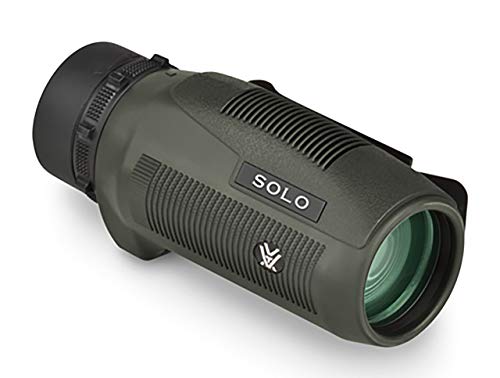
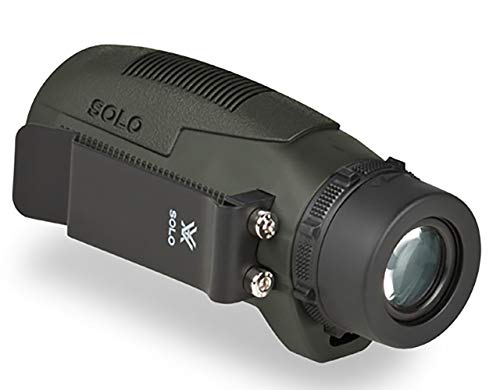
Vortex Solo Monocular 10x36 | Utility Clip, Adjustable Eyecup, Multi-Coated Lenses, Rubber Armor, Fogproof, Waterproof - Unlimited, Unconditional Warranty


As an Amazon Associate we earn from qualifying purchases. Product prices and availability are accurate as of the date/time indicated.

10x36 Monocular Telescope, Compact Handheld Mini Pocket Small Portable Size ED Lens Fully Multi-Coated HD BAK-4 Prism Optics Professional Waterproof Fogproof for Adults Hiking Bird Watching Travel
As an Amazon Associate we earn from qualifying purchases. Product prices and availability are accurate as of the date/time indicated.
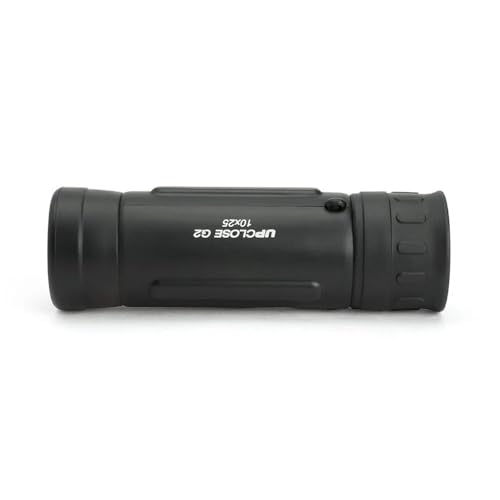
Celestron UpClose G2 10x25 Monocular for Hiking, Travel & Birding | Compact Monocular Design, Lightweight for Travel, Multi-Coated Optics, Rubber Armored Body, Comfortable One-Handed Viewing



As an Amazon Associate we earn from qualifying purchases. Product prices and availability are accurate as of the date/time indicated.
Monocular 8×36 vs 10×36 Birding in 2026: Detailed Reviews
1. Vortex Solo 8×36 — Best 8×36 Monocular for Birding
The Vortex Solo 8×36 is a monocular with a magnification of 8x, an objective of 36mm, an exit pupil of 4.5mm, and a weight of about 10 ounces. It has a design that is made for birding, with a wide field of view, a bright image, and a hand-holdable size, with 8x being the easiest magnification to hold steady, because 8x shakes less than 10x, and 10x is hand-holdable with support, while 12x needs a tripod or a rest.
For birding, the Solo 8×36 is a good choice because its exit pupil of 4.5mm is larger than a 10×36 at 3.6mm, so it gives a brighter image in low light, with a larger exit pupil giving a brighter image, and its field of view is wider than a 10×36, so it is easier to find a bird, especially a moving bird, like a warbler in a tree, because a wider field of view lets a birder see more of a tree at once. Its 8x magnification is enough for most birding, with 8x being the default for birding, and 8×42 being the default for binoculars, because 8x gives a bright, steady image, while 10x gives more magnification but a darker, shakier image.
2. Vortex Solo 10×36 — Best 10×36 Monocular for Birding
The Vortex Solo 10×36 is a monocular with a magnification of 10x, an objective of 36mm, an exit pupil of 3.6mm, and a weight of about 10 ounces. It has a design that is made for birding, with a narrower field of view than an 8×36, a darker image in low light, and a magnification that makes a bird look larger.
For birding, the Solo 10×36 is an excellent choice for a birder who wants more magnification for distant birds, like a raptor on a distant tree, or a waterbird on a lake, because 10x makes a bird look larger than 8x, though a birder should hold a 10x monocular steady, with two hands, or with a rest, because 10x shakes more than 8x, and a shaky image can make a bird hard to identify. Its exit pupil of 3.6mm is smaller than an 8×36 at 4.5mm, so it is less bright in low light, with a 10×36 being less good at dawn or dusk than an 8×36, though it is still usable in daylight, where light is plentiful.
3. Gosky 8×36 Monocular — Best Budget 8×36 Monocular for Birding
The Gosky 8×36 Monocular is a budget monocular with a magnification of 8x, an objective of 36mm, an exit pupil of 4.5mm, and a weight of about 9 ounces. It has a design that is compact, with a wide field of view, and a phone adapter in some kits, though a phone adapter should be checked for fit, because a phone camera must be centred over an eyepiece or it will be blurry.
For budget birders, the Gosky 8×36 is a practical choice, because it is affordable, it has the same exit pupil as the Vortex Solo 8×36 at 4.5mm, and its 8x magnification is easy to hold steady.
4. Gosky 10×36 Monocular — Best Budget 10×36 Monocular for Birding
The Gosky 10×36 Monocular is a budget monocular with a magnification of 10x, an objective of 36mm, an exit pupil of 3.6mm, and a weight of about 9 ounces. It has a design that is compact, with a narrower field of view than an 8×36, and a magnification that makes a bird look larger.
For budget birders who want 10x, the Gosky 10×36 is a good choice, because it is affordable, and its 10x magnification is hand-holdable, though a birder should hold it with two hands, because 10x shakes more than 8x. Its exit pupil of 3.6mm is the same as the Vortex Solo 10×36, so it is less bright in low light than an 8×36, though it is still usable in daylight.
5. Bushnell Legend Ultra HD 10×36 — Best Bushnell 10×36 Monocular for Birding
The Bushnell Legend Ultra HD 10×36 is a monocular with a magnification of 10x, an objective of 36mm, an exit pupil of 3.6mm, and a weight of about 11 ounces. It has ED glass, which is extra-low dispersion glass that reduces colour fringing, and a design that is made for birding, with a clear image and a durable housing.
For birders who want ED glass, the Legend Ultra HD 10×36 is a practical choice, because its ED glass gives a clearer image than a budget monocular, its 10x magnification is good for distant birds, and its weight of 11 ounces is still hand-holdable, though a birder should use a rest for a long look, because a monocular is for short bursts, while binoculars are for long sessions, and a monocular held for a long time will tire an arm and will shake.
6. Bushnell Legend Ultra HD 8×36 — Best Bushnell 8×36 Monocular for Birding
The Bushnell Legend Ultra HD 8×36 is a monocular with a magnification of 8x, an objective of 36mm, an exit pupil of 4.5mm, and a weight of about 11 ounces. It has ED glass, a wide field of view, and a design that is made for birding.
For birders who want an 8×36 with ED glass, the Legend Ultra HD 8×36 is a good choice, because its exit pupil of 4.5mm gives a bright image, its field of view is wider than a 10×36, and its ED glass gives a clear image. Its 8x magnification is easiest to hold steady, and it is a good option for a birder who wants a premium 8×36 monocular.
7. Pankoo 8×36 Monocular — Best Compact 8×36 Monocular for Birding
The Pankoo 8×36 Monocular is a compact monocular with a magnification of 8x, an objective of 36mm, an exit pupil of 4.5mm, and a weight of about 8 ounces. It has a design that is the lightest in this list, with a phone adapter in some kits, and a compact size that fits in a pocket.
For birders who want a compact monocular, the Pankoo 8×36 is a practical choice, because its weight of 8 ounces is light, its 8x magnification is easy to hold steady, and its exit pupil of 4.5mm gives a bright image. Its phone adapter should be checked, because a phone camera must be centred over an eyepiece or it will be blurry, and a tripod plus a timer or remote is useful for phone photos through a monocular.
Monocular 8×36 vs 10×36 Birding Buying Guide
Choosing monocular 8×36 vs 10×36 birding is not just about picking the highest magnification. It is about matching exit pupil, field of view, brightness, and steadiness to the birder, the birds, and the light. A monocular that is perfect for a distant raptor can be wrong for a warbler in a tree, and a monocular that is perfect for daylight can be wrong for dawn.
Exit Pupil, Brightness, and Low Light: Why 8×36 Is Brighter Than 10×36
Exit pupil is the first filter. For a monocular, exit pupil is objective divided by magnification, so an 8×36 has an exit pupil of 4.5mm, because 36 divided by 8 is 4.5, and a 10×36 has an exit pupil of 3.6mm, because 36 divided by 10 is 3.6, and a larger exit pupil gives a brighter image in low light, because more light reaches the eye. An 8×36 is brighter than a 10×36 in low light, with an 8×36 being better at dawn, at dusk, and in a forest, while a 10×36 is less bright in low light, though it is still usable in daylight, where light is plentiful, and a birder who birds mostly in daylight can use either, while a birder who birds at dawn should choose 8×36.
For comparison, an 8×42 binocular has an exit pupil of 5.25mm, because 42 divided by 8 is 5.25, and a 10×42 binocular has an exit pupil of 4.2mm, because 42 divided by 10 is 4.2, so a 36mm monocular is less bright than a 42mm binocular, though a monocular is smaller and lighter than binoculars, and a monocular is for short bursts, while binoculars are for long sessions.
Field of View, Finding Birds, and Steadiness: Why 8×36 Is Easier to Use Than 10×36
Field of view and steadiness are the second filter. For birding, an 8×36 has a wider field of view than a 10×36, because a lower magnification gives a wider field of view, and a wider field of view makes it easier to find a bird, especially a moving bird, like a warbler, because a birder can see more of a tree at once with 8x than with 10x, and a birder who cannot find a bird with 10x should try 8x, because 8x is easier to aim. For steadiness, 8x is easiest to hold steady, because 8x shakes less than 10x, and 10x is hand-holdable with support, while 12x needs a tripod or a rest, so a birder should hold a 10×36 with two hands, or with a rest, like a tree, a fence, or a car window, because a 10x image that shakes is hard to use, and a birder should not expect a 10x monocular to be as steady as an 8x monocular.
For a monocular, a birder should use it for short bursts, not for long sessions, because a monocular is for short bursts, while binoculars are for long sessions, and a monocular held for a long time will tire an arm, will shake, and will be uncomfortable, so a birder should use a monocular to check a bird quickly, then put it down, and use binoculars for a long look, if they have them.
Eye Relief, Glasses, and Phone Adapter: Choosing a Monocular That Fits Your Eyes and Your Phone
Eye relief and glasses are the third filter. For a birder who wears glasses, eye relief of at least 14mm is good for binoculars, and a similar rule applies to monoculars, with a monocular that has long eye relief being better for glasses wearers, because a birder with glasses needs to hold a monocular farther from their eye, and a monocular with short eye relief will be hard to use with glasses. A birder should check eye relief before buying, and should test a monocular with glasses on, if possible, because a monocular that works without glasses may not work with glasses.
For a phone adapter, a birder should check that a phone camera is centred over an eyepiece, because a phone camera must be centred or it will be blurry, and a 3-axis adapter is best, because it lets a birder adjust a phone in three directions, and a tripod plus a timer or remote is useful for phone photos through a monocular, because a monocular that is held by hand will shake, and a photo taken with a timer will be sharper than a photo taken by tapping a screen.
Monocular 8×36 vs 10×36 Birding FAQ
What is better for birding, monocular 8×36 or 10×36?
For most birders, an 8×36 monocular is better for birding, because it has an exit pupil of 4.5mm, a wider field of view, and a steadier image, with 8x being easiest to hold steady, while a 10×36 monocular is better for distant birds, because it makes a bird look larger, though it has an exit pupil of 3.6mm, a narrower field of view, and a shakier image, so choose 8×36 for most birding, and 10×36 for distant birds in daylight.
Is a 10×36 monocular too shaky for birding?
For birding, a 10×36 monocular is hand-holdable, though it shakes more than an 8×36, so a birder should hold it with two hands, or with a rest, like a tree, a fence, or a car window, because 10x is the limit for hand-holding, and 12x needs a tripod or a rest. An 8×36 is easiest to hold steady, and a birder who has shaky hands should choose 8×36, not 10×36.
What is the exit pupil of an 8×36 and a 10×36 monocular?
For a monocular, exit pupil is objective divided by magnification, so an 8×36 has an exit pupil of 4.5mm, because 36 divided by 8 is 4.5, and a 10×36 has an exit pupil of 3.6mm, because 36 divided by 10 is 3.6. A larger exit pupil gives a brighter image in low light, so an 8×36 is brighter than a 10×36 at dawn, at dusk, and in a forest, while both are usable in daylight.
Should I use a monocular or binoculars for birding?
For birding, use a monocular for short bursts, and binoculars for long sessions, because a monocular is light and compact for a quick check, while binoculars are more comfortable for a long look, with two eyes giving a more relaxed view. A monocular is good for a walk, for a quick check of a bird, and for a birder who wants to travel light, while binoculars are better for a long birding session, for a birder who watches birds for hours, and for a birder who wants a brighter, steadier image.
FAQ
What is better for birding, monocular 8×36 or 10×36?
Is a 10×36 monocular too shaky for birding?
What is the exit pupil of an 8×36 and a 10×36 monocular?
Should I use a monocular or binoculars for birding?
Related guides
- Best Optics for Beginners Winter Use in 2026: Fogproof Binoculars Graded on the Cold Transition — Warm Car to Frozen Field Without Losing the View
- Best Cell Phone Monocular in 2026: 7 Best Cell Phone Monoculars With Clear View, Simple Use, and Easy Use for Cell Phone Monocular
- Best Monocular for Glasses Wearers Comfort in 2026: Monocular for Glasses Wearers Comfort, Glasses Wearers Monoculars, and Best Comfortable Monoculars for Glasses Wearers
- Best Binoculars for Camping Trips Viewing in 2026: 7 Binoculars for Camping Trips Viewing That Offer Clear Optics, Easy Carry, and Reliable Performance for Camping
More from Amazon
Programs that pair well with the guide above. Offers and eligibility are set by Amazon and may change.
Free shipping on eligible items, Prime Video and more. Eligible new members can start with a free trial.
Start a Prime free trialAudiobooks and podcasts to listen to on the go. Eligible new members can start with a free trial.
Try Audible freeAd-free music streaming. Eligible new subscribers can start with a free trial.
Try Music Unlimited freeA free business account with business pricing and bulk-buying tools for work, shop or home office.
Create a business accountAs an Amazon Associate we earn from qualifying purchases.

Write Your Review
No reviews yet. Be the first to share your experience!