
What's inside
- What Makes the Best Binoculars for Sheep Hunting Trips
- Quick Comparison: Sheep Hunting Binoculars Compared
- The Six Sheep Hunting Binoculars Reviewed
- Buying Guide: Choosing Glass for a Once-a-Decade Tag
- How We Selected These Sheep Hunting Binoculars
- Frequently Asked Questions About Binoculars for Sheep Hunting
As an Amazon Associate I earn from qualifying purchases. This post may contain affiliate links at no extra cost to you.
The best binoculars for sheep hunting trips serve two different hunts that happen on the same mountain, and the hunters who understand that carry accordingly — or choose their compromise with open eyes. The first hunt is finding: hours of systematic glassing across basins, slides, and cliff bands, usually from a tripod, at distances measured in miles, looking for a patch of off-white that moves like a sheep and not like a rock. The second hunt is judgment: once sheep are found, the question that decides everything — is that ram legal, and is he worth the stalk — is answered through the same glass at somewhat closer range, by reading horn mass, curl, and age rings on an animal that may offer you minutes of clear view across a canyon full of shimmering air. Layered over both hunts is the mountain itself: sheep country is steep, high, and violent in its weather, the hunt is measured in days of climbing with everything on your back, and a sheep tag is, in most jurisdictions, the rarest permission in North American hunting — drawn once in a decade or once in a lifetime, governed by strict legal definitions of a lawful ram that vary by unit and species. Optics for this are therefore graded without romance: optical resolution and contrast at distance first, because finding and judging are resolution tasks; weight second, because every gram is carried at altitude for a week; durability and weatherproofing as survival properties; and tripod adaptability as a requirement, not an accessory, because nobody judges horns handheld at two miles. All hunting under this guide follows the law of the unit you hunt — tag conditions, legal-ram definitions, season dates, and guide requirements where they apply — and the glass is there to make your legal judgment more certain, never to stretch it. When in doubt about a ram’s legality, the answer the optics must help you reach is the conservative one: a ram you cannot confirm is a ram you do not take, and the mountain will respect you for it even when the tag goes home unfilled.
The two-binocular system is the professional standard and the guide’s framework: a 10×42 (or 8×42 for timbered approaches) worn on the chest for the climb, the stalk, and general glassing, and a high-power 15×56 mounted on a tripod at the glassing knob for the finding and the judging. The 10×42 is the athlete of the pair — light enough to forget, bright enough for dawn, wide enough to search a hillside, and steady enough handheld for the quick looks a stalk demands. The 15×56 is the telescope of the pair — useless handheld, transformative on a tripod, where its magnification and its enormous objective turn two miles of cliff into a readable page and let a hunter age a ram, in good air, without burning a stalk to do it. Hunters who carry only one binocular — most of us, most years — choose by their country and their style: open, above-treeline basins argue for the 12x or 15x class on a tripod as the single tool, accepting handheld misery as the tax; mixed country and tighter budgets argue for the finest 10×42 the fund allows, tripod-mounted for serious sessions, with a spotting scope doing the judging if one is carried at all. The table therefore spans both classes plus the great compromises, and grades each inside its role. What no one should carry is cheap glass of any power: at sheep distances, resolution is not a luxury specification, it is the difference between glassing a basin and merely looking at it, and a budget binocular that cannot resolve a bedded ram against scree has not saved its price — it has spent the tag.
Two supporting truths complete the frame. The tripod is half the optic: every binocular in this guide must mount to one, by a stud or an adapter tray, because the finding hunt is a tripod hunt — methodical panning, overlapping grids, long still watches that handheld glass turns into a trembling guess within minutes. And the air is the other half of the optic: above-treeline basins at midday are cauldrons of rising warm air, and the finest 15×56 made will swim at noon in August. Sheep optics are therefore used like sheep hunters hunt — hard glassing at dawn and in the last hours, when the light is low, the air is still, and the rams are feeding in the open; patience and shade at midday; and judgment reserved for the moments the mountain gives you a clean look. Buy the glass for the resolution, mount it like you mean it, and hunt the hours when the air lets it work: that is the whole doctrine, and the products below are graded inside it.
Our Top Picks
What Makes the Best Binoculars for Sheep Hunting Trips
Resolution, Contrast, and the Scree Problem
Sheep are the colour of their mountains, and finding them is a contrast problem before it is a magnification problem: insist on the finest ED or fluorite-class glass you can fund, fully multi-coated, with a reputation earned at distance rather than in a showroom. Edge sharpness matters operationally — a grid search lives at the field’s edges — and so does glare control, because glassing across a basin means glassing toward the light half the day. Read reviews for resolution and veiling glare specifically; a binocular that wins those two tests at sheep distance has won the only tests this guide counts as optics.
Weight, Armour, and Altitude
Every gram in this table was carried, in the grader’s mind, up three thousand vertical feet on day five: the 10×42 class runs roughly 600 to 900 grams, the 15×56 class well over a kilo, and the difference is a litre of water you are not carrying. Balance that against the work each does and pack honestly. Construction must survive the mountain’s ordinary insults — full waterproofing and fog-proofing, armour that grips with gloves, a focus wheel that turns in cold dawn air, and a warranty from a maker who understands that sheep country breaks things. Objective covers tethered, a chest harness rather than a neck strap, and a case that lives in the pack’s lid complete the survival specification.
Tripod Mounting and the Glassing System
Confirm the mounting before the money: some binoculars take a threaded stud adapter in the hinge, others need a tray or strap mount, and the big 15×56 class is designed around tripod life and should be bought with its mount and a head that pans like it means it. The system — binocular, mount, tripod with a smooth pan head, and a seat pad — is the real product, and it is commissioned together in the buying guide, on a hillside, at dawn, because that is its workplace and no other test tells the truth about it.
Quick Comparison: Sheep Hunting Binoculars Compared
| Binocular | Class / Best For | Key Specs |
|---|---|---|
| Swarovski NL Pure 10×42 | Premium 10×42 — best binoculars for sheep hunting trips overall | 10×42, very wide field, ED-class glass, tripod adapter available as published |
| Swarovski SLC 15×56 | Tripod 15×56 — best for finding and judging | 15×56, HD glass, designed for tripod glassing as published |
| Zeiss Conquest HD 15×56 | Tripod 15×56 — best value big glass | 15×56, HD glass, tripod adapter included class as published |
| Vortex Razor UHD 10×42 | Premium 10×42 — best warranty-backed climber | 10×42, UHD optical system, magnesium chassis as published |
| Maven B.5 15×56 | Tripod 15×56 — best direct-value flagship | 15×56, ED glass, fluorite-class performance claims as published |
| Leica Geovid Pro 10×42 (rangefinding) | Rangefinding — best for the final judgment | 10×42, integrated laser rangefinder and ballistics as published |

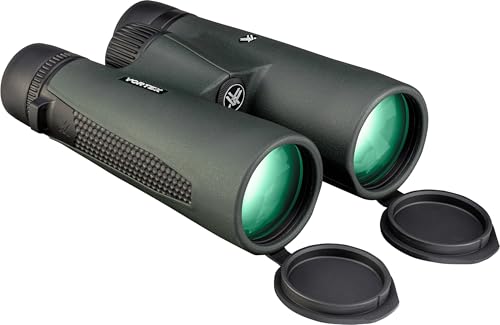
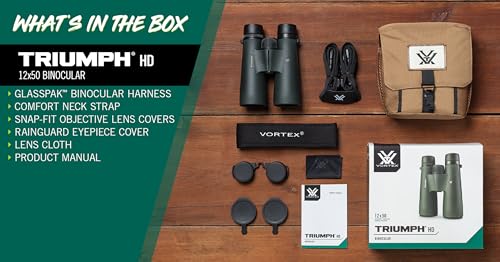
Vortex Triumph HD 12x50 Binoculars | HD Optics, Tripod Adaptable, Waterproof, Fogproof, Shockproof, Included Glasspak Harness - Unlimited, Unconditional Warranty




As an Amazon Associate we earn from qualifying purchases. Product prices and availability are accurate as of the date/time indicated.

12x42 HD Binoculars for Adults High Powered Binoculars with Upgraded Phone Adapter Compact Binocular with Low Light Night Vision for Bird Watching Hunting Outdoor Sports Concerts Camo
As an Amazon Associate we earn from qualifying purchases. Product prices and availability are accurate as of the date/time indicated.

12x50 UHD Binoculars for Adults High Powered with Upgraded Phone Adapter - Large View, Lightweight, IPX7 Waterproof, BAK4 Prism - Binoculars for Hunting Bird Watching Cruise
As an Amazon Associate we earn from qualifying purchases. Product prices and availability are accurate as of the date/time indicated.
Classes are graded within their roles — chest glass and tripod glass are partners, not rivals.
The Six Sheep Hunting Binoculars Reviewed
1. Swarovski NL Pure 10×42 — Best Overall
The NL Pure is the finest carrying binocular in this guide and the one most sheep hunters should aspire to first: a field of view so wide it changes how a hillside is searched, resolution that finds bedded sheep at distances where lesser glass sees geology, and ergonomics that disappear into the hands across a ten-hour glassing day. On the chest for the climb, on the tripod for the session, it is the complete 10×42 — priced like it, and worth it on a once-a-decade tag.
2. Swarovski SLC 15×56 — Best Tripod Glass
The SLC 15×56 is the judging instrument: on a tripod at dawn it reads horn tips and curl across canyons, holds its image into the last light, and has been the serious sheep hunter’s big glass for a generation of refinements. It is heavy, it is helpless handheld, and at the glassing knob it is the difference between knowing and hiking to find out — which, at altitude, is the difference between a stalk and a wasted day.
3. Zeiss Conquest HD 15×56 — Best Value Big Glass
Zeiss’s big Conquest delivers most of the flagship 15×56 experience at a meaningfully kinder price: honest HD glass, a tripod adapter in the box’s spirit, and dawn-bright images that find sheep. It surrenders the final increment of refinement to the SLC and keeps the change — for a hunter funding one premium optic, this is where the big-glass money stretches furthest without apology.
4. Vortex Razor UHD 10×42 — Best Warranty-Backed Climber
The Razor UHD pairs near-flagship optics with the industry’s most famously unconditional warranty — a specification that matters on a mountain, where a fall is a when, not an if, across a hunting life. As a carry-and-glass 10×42 it stands within sight of the leader at roughly half the price, and for the hunter whose gear lives hard, it may be the wisest purchase in the table.
5. Leica Geovid Pro 10×42 — Best Rangefinding
The Geovid Pro adds a precise laser rangefinder and ballistics to flagship glass, and its sheep case is specific: at the judgment moment, distance is information — for the stalk plan, for the camera, and, where lawful and ethical and confirmed, for the shot a whole season has built toward. It is the heaviest carry here and the most expensive, graded for the hunter who wants ranging integrated rather than as a second device bouncing in a second pocket.
6. Maven B.5 15×56 — Best Direct-Value Flagship
Maven’s direct-sold B.5 puts ED big glass on the tripod at a price the dealer-channel flagships cannot meet, with optical performance that has embarrassed costlier names in side-by-side dawn tests reported across the hunting world. Its grade reflects flagship-class glass with a younger brand’s support footprint — a trade many sheep hunters, counting grams and dollars for a tag a decade in the drawing, will take gladly.
Buying Guide: Choosing Glass for a Once-a-Decade Tag
Step One: Census the Hunt, the Country, and the System
Write down the hunt you actually hold: species and unit, its legal-ram definition in the current regulations — read them yourself, this season, because definitions and boundaries change — the country, open basin or broken timber; your guide situation, since guided hunts may put the judging glass on the guide’s tripod and change what yours must do; and your whole optics system, spotting scope included, so the binocular fills a gap rather than duplicating a strength. Set the budget against the tag’s rarity with clear eyes: this is the one hunt where the optics fund outranks almost every other gear fund you own.
Step Two: Commission the System on a Hillside at Dawn
Test the assembled system — binocular, mount, tripod, head, harness — in its workplace and hour: a dawn session on real country, grids panned, distant animals or markers resolved, the mount’s security proven, the harness worn over your actual layers on an actual climb. Judge the glass at distance in low light, not across a shop; judge the carry at hour three, not minute three. Anything that fails goes back while returns are open, because the mountain’s returns policy is written in weather and regret.
Step Three: Keep It Mountain-Ready
Before the season: clean and inspect the glass, check the mount and harness hardware, confirm the rangefinder’s battery and settings if yours ranges, and re-read your unit’s regulations one final time. In the field: lens covers disciplined, glass shaded at midday, the tripod planted like you mean it, and every judgment of a ram made twice — once in excitement and once in calm — with the conservative reading governing. After: the kit dried, stored, and logged, with the hunt’s notes filed for the next tag. So censused, commissioned, and kept, the chosen glass performs the only service that matters: on the morning the mountain finally shows you a ram, you will know — truly know — what you are looking at, and everything after that is hunting.
How We Selected These Sheep Hunting Binoculars
We included only real, named, currently sold binoculars whose makers publish optical system, weight, and waterproofing specifications, spanning the premium carry, tripod big-glass, value flagship, warranty-backed, rangefinding, and direct-value classes. Grades for sheep hunting weight resolution at distance, dawn brightness, and tripod system readiness above showroom specifications.
Frequently Asked Questions About Binoculars for Sheep Hunting
10×42 or 15×56 for sheep hunting?
Both, in the professional system — the 10×42 on your chest for climbing, stalking, and general glassing, the 15×56 on the tripod for finding and judging at distance. Forced to one, choose by country: open above-treeline basins favour the big tripod glass as the single tool, accepting its handheld uselessness; mixed and timbered country favours the finest 10×42, tripod-mounted for sessions, with a spotting scope carrying the judging load if one is in the system. The error is neither choice — it is mid-priced glass in either role, which finds less and judges worse than the tag deserves.
Do I need a spotting scope as well?
For judging, a scope is the superior instrument — higher magnification, one eye resting, and digiscoping for a record of the ram you judged — and many sheep hunters carry binoculars for finding and a scope for the verdict. Whether the weight budget allows both is a personal arithmetic of country, days, and knees. If only one optic beyond the chest binocular can go, the 15×56 tripod binocular is the more comfortable long-session tool for most hunters, while the scope wins on maximum reach and photographic evidence; guided hunters should ask their guide what glass the team already carries before duplicating it.
How do I judge whether a ram is legal?
By your unit’s current legal definition — full-curl, age, or horn-length criteria differ by jurisdiction and species — studied from the regulations before the hunt and applied conservatively in the field: view the ram from multiple angles, in the best air of the day, at the steadiest magnification your system offers, and count age rings and measure curl against the legal standard with genuine doubt resolved against shooting. Take instruction from your guide or experienced sheep hunters, whose judgment apprenticeships took seasons; no binocular in this guide makes an illegal ram legal, and the tag in your pocket is never worth the ram you were not sure of.
Are rangefinding binoculars worth it for sheep hunting?
For many hunters, yes: integrated ranging removes a device and a fumble at the moment distance matters most — planning the stalk, setting expectations, and, at the end of a lawful approach, confirming the shot’s range with certainty. The costs are weight on the chest, price, and electronics to manage in cold weather. They earn their premium for hunters who range often and shoot in big, deceptive country where distances lie; they are a luxury for the glassing purist whose guide carries the rangefinder. Either way, the rangefinder serves the stalk and the judgment — it does not extend your ethical range, which is set by your proven ability, as it should be.
Related guides
- Best Optics for Beginners Winter Use in 2026: Fogproof Binoculars Graded on the Cold Transition — Warm Car to Frozen Field Without Losing the View
- Best Cell Phone Monocular in 2026: 7 Best Cell Phone Monoculars With Clear View, Simple Use, and Easy Use for Cell Phone Monocular
- Best Monocular for Glasses Wearers Comfort in 2026: Monocular for Glasses Wearers Comfort, Glasses Wearers Monoculars, and Best Comfortable Monoculars for Glasses Wearers
- Best Binoculars for Camping Trips Viewing in 2026: 7 Binoculars for Camping Trips Viewing That Offer Clear Optics, Easy Carry, and Reliable Performance for Camping
More from Amazon
Programs that pair well with the guide above. Offers and eligibility are set by Amazon and may change.
Free shipping on eligible items, Prime Video and more. Eligible new members can start with a free trial.
Start a Prime free trialAudiobooks and podcasts to listen to on the go. Eligible new members can start with a free trial.
Try Audible freeAd-free music streaming. Eligible new subscribers can start with a free trial.
Try Music Unlimited freeA free business account with business pricing and bulk-buying tools for work, shop or home office.
Create a business accountAs an Amazon Associate we earn from qualifying purchases.

Write Your Review
No reviews yet. Be the first to share your experience!